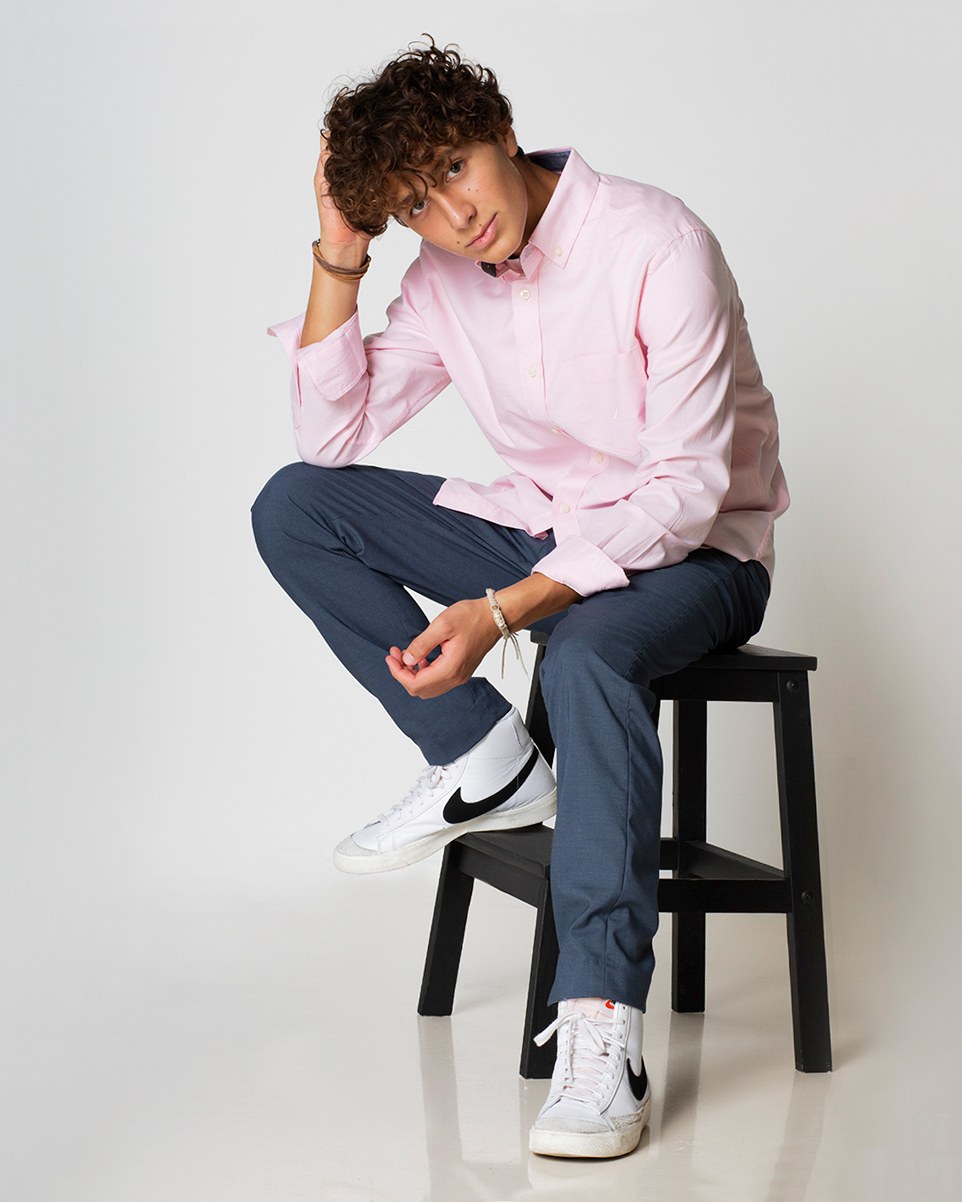
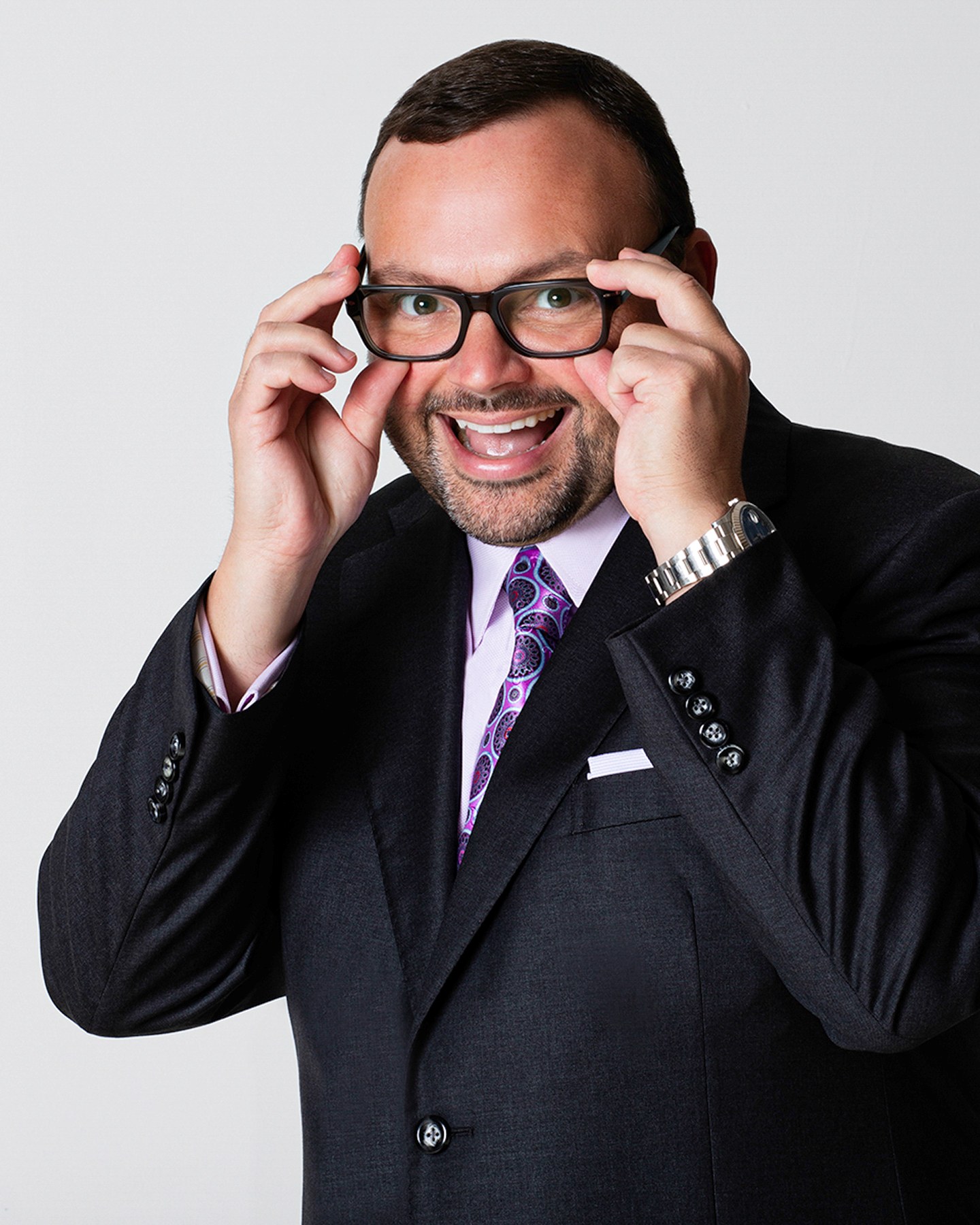
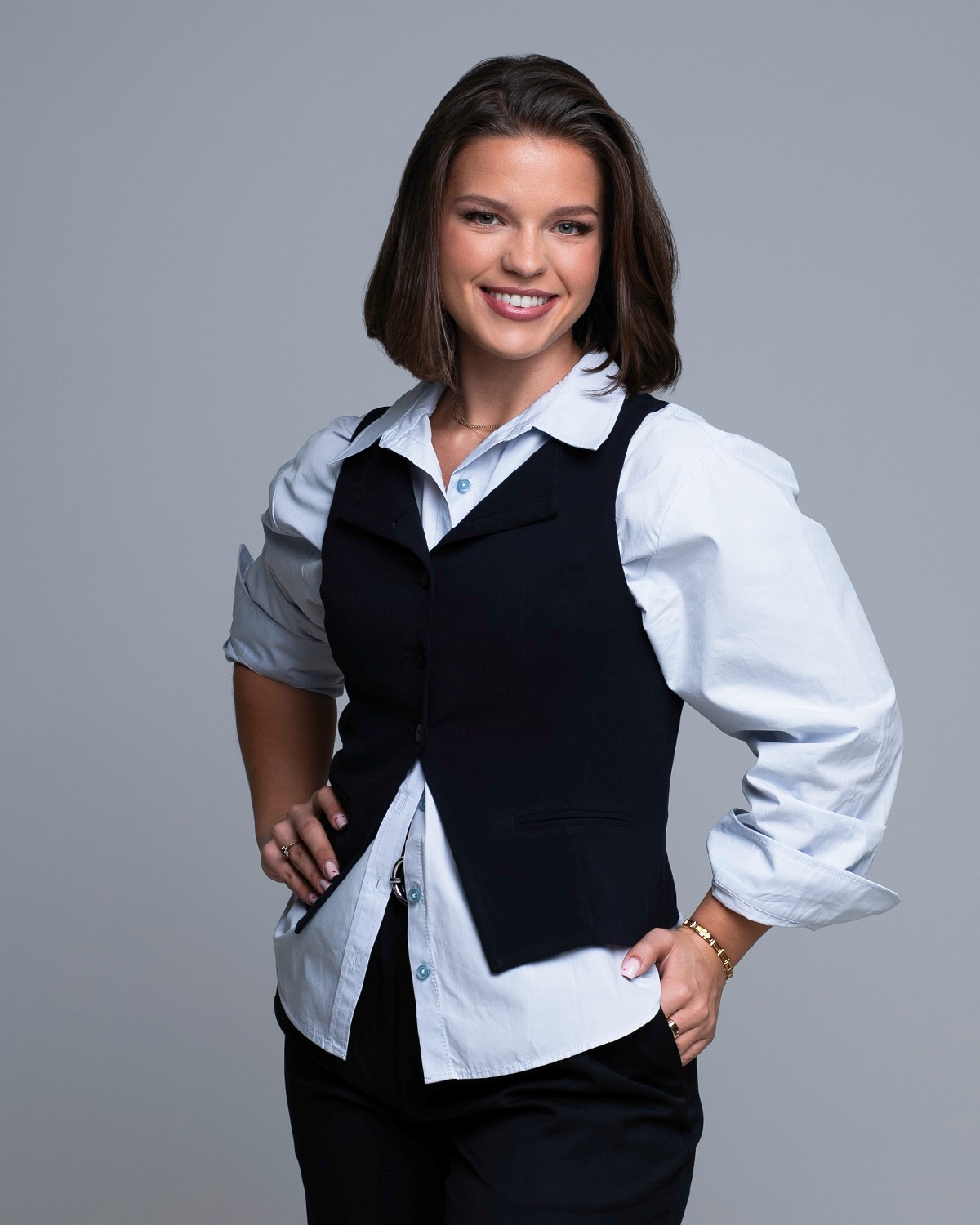
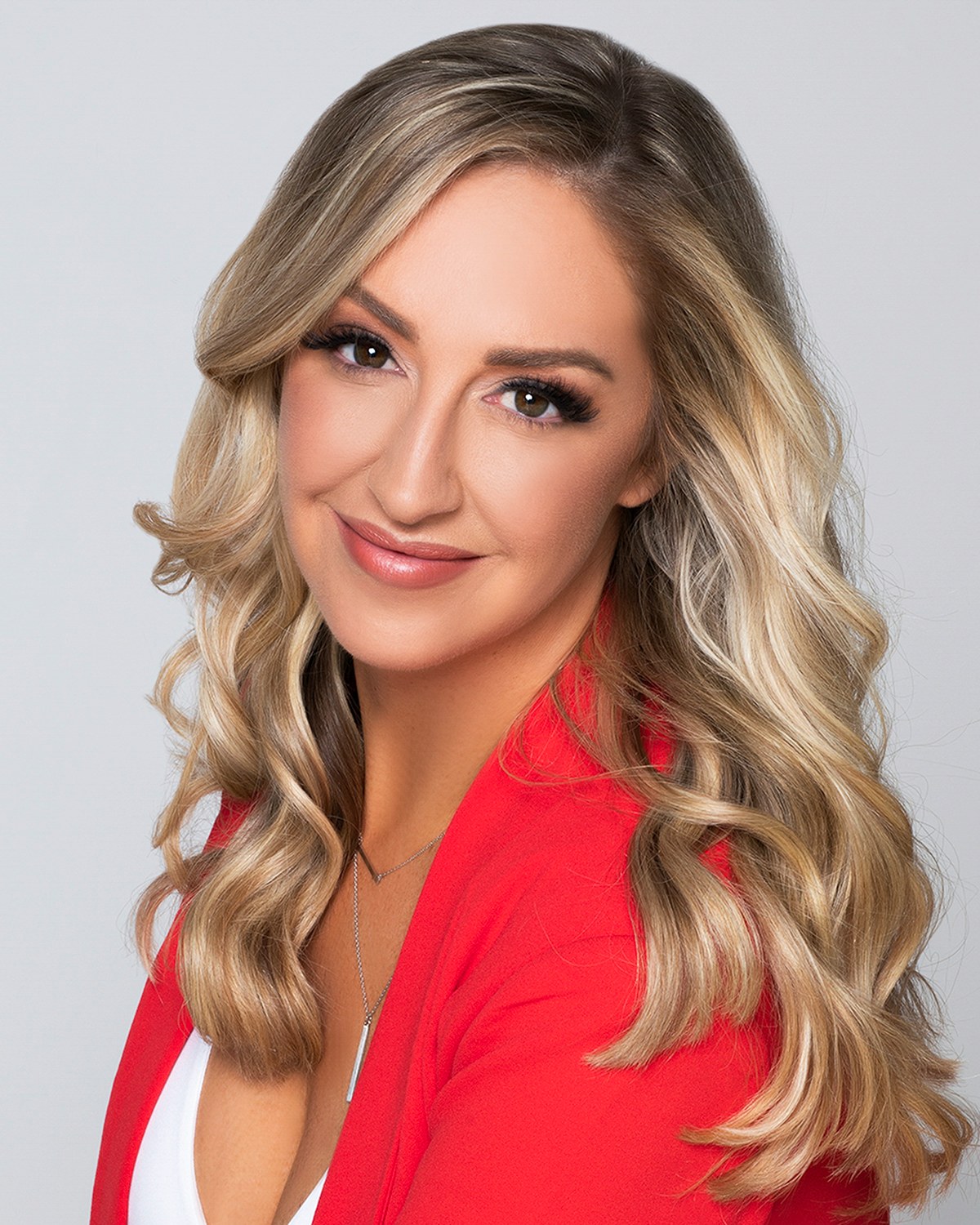
A consultant sells on paper. The proposal, the capability deck, the one-sheet, the profile a buying committee opens before anyone agrees to a call. Those documents need more than a face in a circle. I make a considered set of portraits in my private Naples studio, planned around the collateral they have to sit inside.

A proposal gets forwarded. That is the whole problem in one sentence. The person you built rapport with sends the file to two colleagues who have never met you, and your photograph does the introducing. The same is true of the capability deck that circulates before a shortlist call, the one-sheet a client passes along to a conference organizer, and the profile someone opens the night before a meeting while deciding whether it is worth taking.
So the question is not really whether your picture is good. It is whether your pictures fit the documents. A deck needs a frame that can sit beside a chart without shouting over it. A one-sheet needs one wide image and one tall one. A proposal cover needs quiet space where a title goes. That is a set, planned as a set, and it is a different job from the single portrait on headshots for consultants.
You will not be told to relax and then left to work it out. I call the posture, the chin, the hands and the weight, adjusting between frames, which is why people who negotiate for a living and still freeze on camera come out looking like themselves.
We plan the looks together in advance, then work through several backgrounds and wardrobe changes in one sitting, so the formal frame for the proposal and the easier one for your profile come from the same sitting and read as one person.
Images are retouched by hand and arrive within the week in a private, password-protected gallery, sized for the deck, the one-sheet and print, so nothing on your side is holding up a document.
The typical consultant owns a single portrait and a quietly growing list of places it does not quite work. It is too tight for the deck. It is too formal for the newsletter. There is no room beside it for a title, so the designer floats it in a corner and the cover looks unbalanced ever after. None of that is a fault in the photograph. It is a set problem being solved with one picture.
Planning a set fixes it at the source. We decide, before the sitting, which documents matter and what each of them needs from a frame. Everything after that is execution.
None of that is exotic. It is simply decided in advance rather than discovered afterwards, when a deadline is already sitting on top of you. For the rules that govern the profile picture in particular, my guide to the LinkedIn photo is more useful than anything I could compress into a paragraph here.
There is a register consulting images have to hit, and the documents set it, not taste. A frame that is going to sit beside a chart has to be quiet: a simple background, a restrained crop, nothing in it competing with the number on the slide. A working frame has to look deliberate rather than candid, because a buyer reading a proposal is not looking for personality so much as for evidence that you are careful. Too casual and the work reads as unserious. Too stiff and you read as a stock photo, which says nothing at all. Considered is the middle: composed, unhurried, clearly a specific person who thinks for a living.
Holding that register across a whole set, rather than in one lucky frame, is what the direction is for: the same posture cues, the same light and the same restraint from the first look to the last, so the deck reads as one person rather than a collage. How that direction works, cue by cue, is in my guide on guided posing.
The strongest consulting sets include frames that are not portraits at all. You seated, mid-explanation. You listening, which is the harder thing to photograph and by far the more persuasive one. You standing with your arms folded in a way that reads as considering rather than defending. Those images do the work a portrait cannot: they suggest what it is like to be in a room with you.
The whole of that is built in the studio: a seat, controlled light and steady direction. Nothing implies a client site or a boardroom you were never in, which matters more than it sounds like it should, because a buyer who senses staging starts doubting everything else on the page.
Sittings run in my private studio in North Naples, off Pine Ridge Road. It is quiet, there is no audience, and it is just the two of us and the plan. Consultants and advisers drive in from Bonita Springs, Estero, Fort Myers, Marco Island and across Southwest Florida. If you are here for work rather than living here, my guide to headshots while visiting Naples covers how to fit a sitting around a trip.
And if the whole idea of a brand sitting is new to you, the plain walkthrough lives in my guide to personal brand photography. Read that first, then bring me the documents.
If there is a proposal cover or a capability deck where your current picture will not sit right, that is the best place to start. Send me that one document, tell me what it needs from a frame, and the rest of the set gets planned outward from it. Pricing follows the plan, so the first step is a call to (239) 319-6171 or a note through the form.
Book a Session Call (239) 319-6171Tell me a little about what you have in mind and I will be in touch personally. Pricing is personal, so the best way to plan is a quick call.
Share a few details and Annie will be in touch personally.