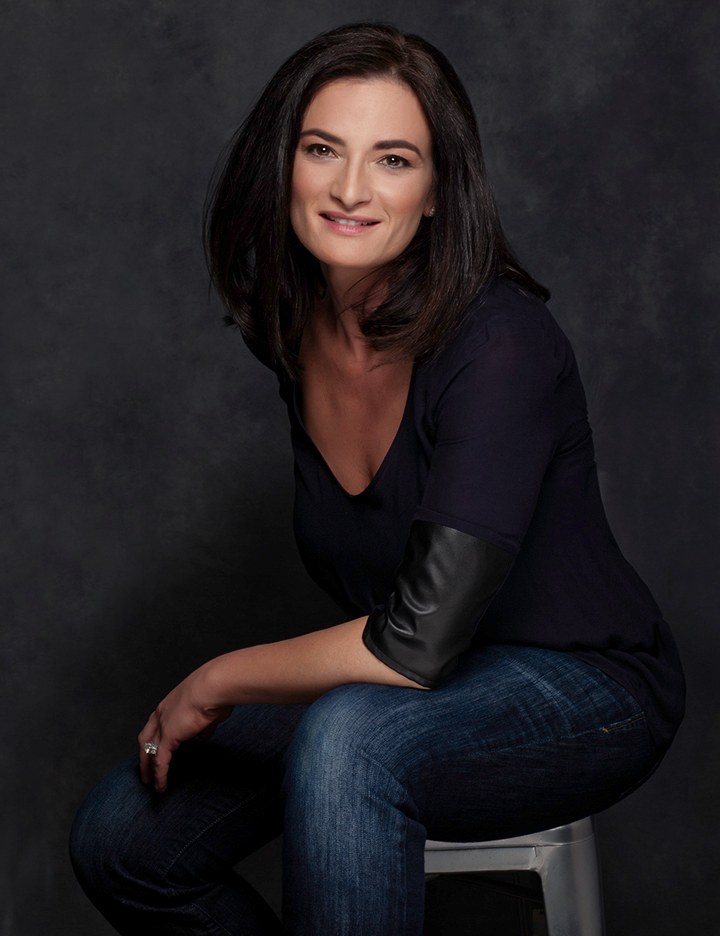
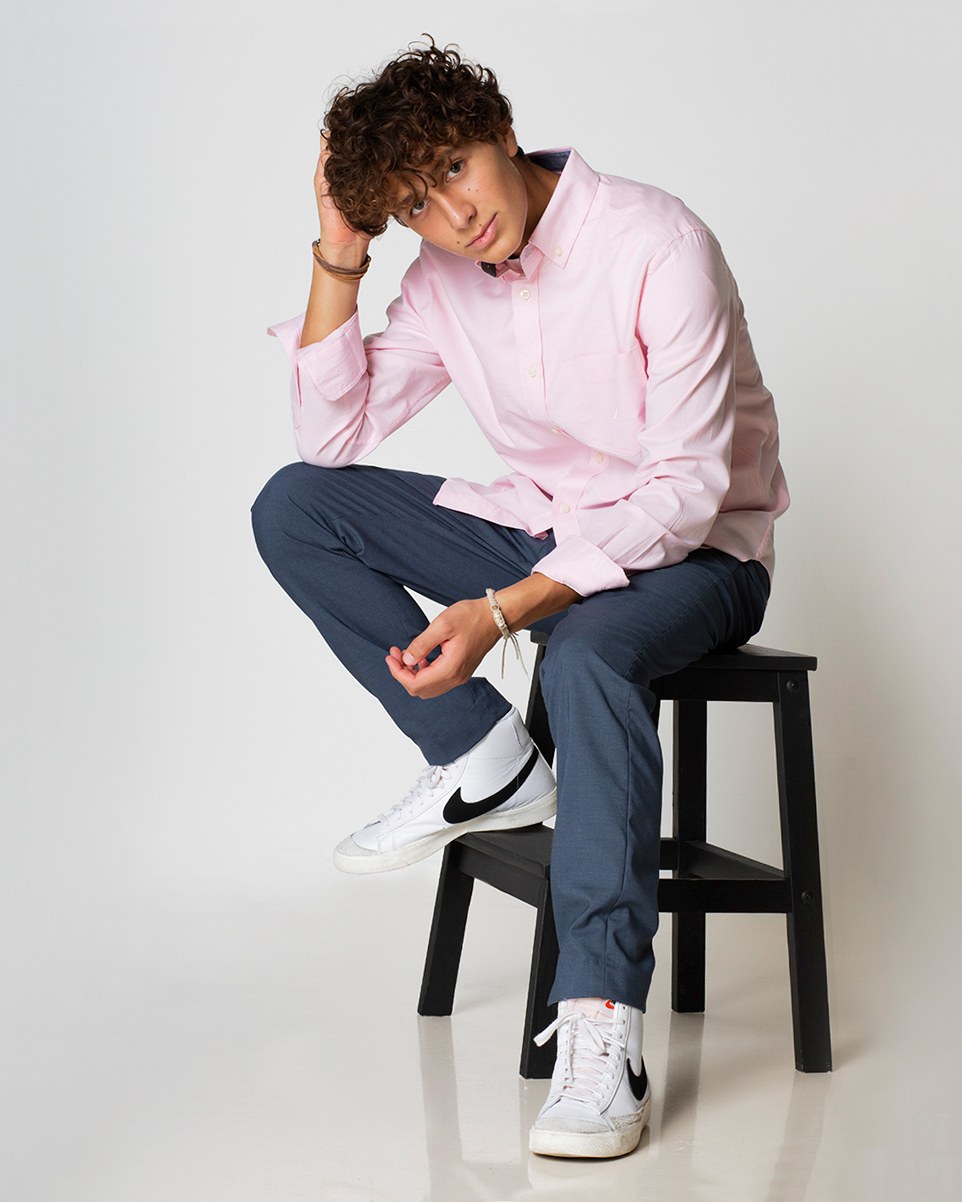
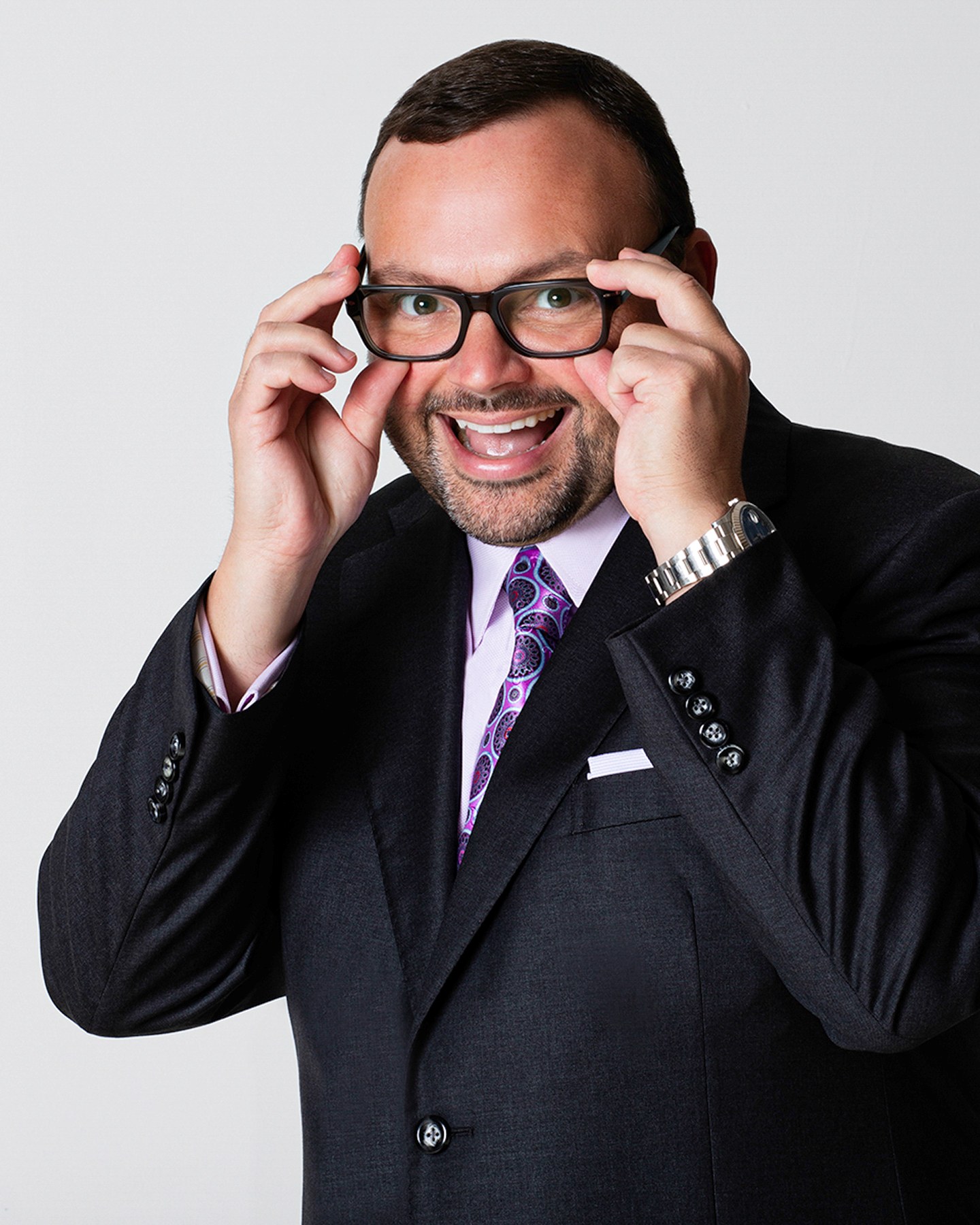
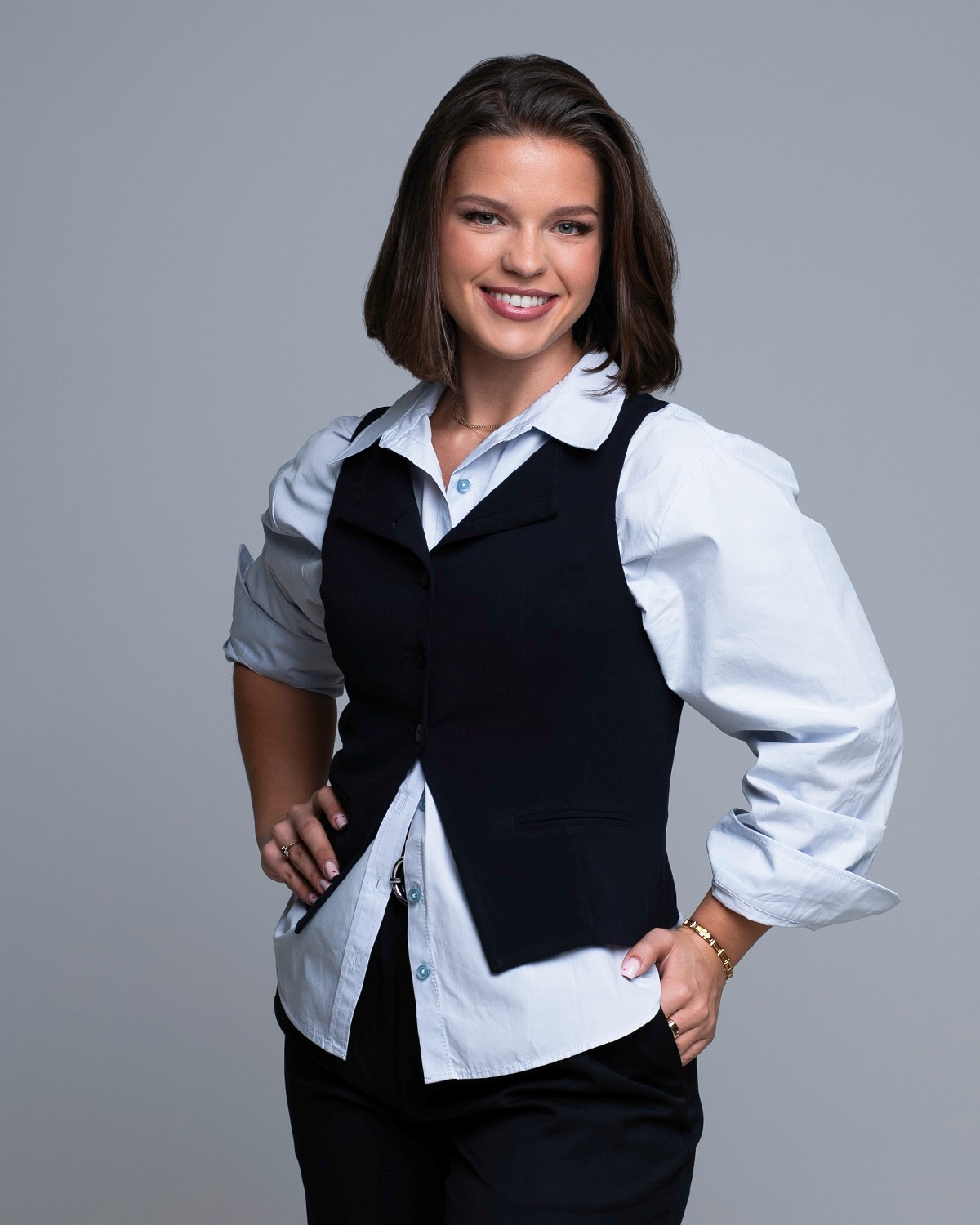
A book asks for pictures far longer than it takes to write one. The jacket, the press kit, the launch posts, the program for a panel, the page a reader finds long after the launch is over. I plan and shoot the whole of that in a single studio sitting here in Naples, built to reproduce in print and to age quietly.

An ordinary portrait is retired quietly the day it stops looking like you. An author photo is harder to retire, because it gets printed. It is set into a jacket. It goes into a press kit a publicist sends out again and again. It sits on a panel program, on the card in a shop window, on the profile beside every interview. The same image ends up printed at the size of a stamp and thrown onto a screen the size of a wall.
That range is the actual brief. A picture that only works on a screen will disappoint you the first time it is printed small in grayscale. A picture with a fashionable crop or a trendy color cast will be the thing that dates the jacket, not the typeface. And one frame, however good, cannot be the jacket portrait, the press image and the warm one on your own site all at once. The one-portrait version of this, for a jacket and nothing more, is headshots for authors.
Writers are not performers, and it shows in most author photos. I direct every angle and expression as we go, so what ends up in the frame is your character rather than the strain of holding still for a camera.
Your looks are agreed before you arrive, and a single sitting covers several backgrounds and wardrobe changes, so the jacket portrait, the press frame and the picture on your own site are related without being identical.
Images are retouched by hand, kept honest rather than smoothed away, and delivered within the week in a private, password-protected gallery, sized for print and for the web so a publicist never has to ask for a bigger file.
The photograph is usually the last thing an author thinks about and the first thing somebody else asks for. A designer wants the jacket image while the manuscript is still in edits. A publicist wants a press file before there is a press list. If you are publishing the book yourself, the deadlines are yours to move, which somehow makes them worse rather than better.
Booking early is not me trying to fill a calendar. It is that the sitting goes better when a deadline is not leaning on it, and a set planned calmly is a set you will still like when the second book comes. You do not need a finished cover to plan from. Bring the tone of the book. Tone is enough.
Print is unforgiving in ways a screen is not. A jacket portrait may run small on a back flap, or in grayscale in a column, or enlarged for a card in a shop window. That asks for separation between you and the background, contrast that survives being knocked down, and detail in the places print tends to lose first. I light and frame with those uses in view, and deliver files at a size a designer can genuinely work with.
It is a dull part of the job that saves an awkward conversation later, when somebody asks for the high resolution version and the only file you own came off a phone.
Tone matters as much as technique. A portrait for a wry memoir and a portrait for a serious history are lit and styled differently, and the difference is deliberate rather than decorative. Tell me what the book sounds like and the pictures can agree with it. If you are unsure what to bring, my guide on what to wear applies here with one extra rule: choose what you will still own when the paperback comes out.
Once the book is out, the requests arrive in shapes the jacket portrait cannot fill. A festival wants a horizontal frame for a program. A podcast wants a square. A bookseller wants something for a window card. Your newsletter wants a looser, warmer picture that does not look like a dust jacket. An interviewer wants a file yesterday.
A planned set covers those shapes on purpose: different crops, a couple of genuinely different looks, some frames with room beside you for text, and at least one where you are not looking at the camera at all. That is the difference between a library and a favorite photo you keep re-sending until everyone has seen it.
The same logic sits behind speakers and their one-sheets, and behind team headshots at a small press where everyone's picture has to match. The principle never changes: shoot for the places the images are going to land.
The reason to plan a set rather than take a photo is what happens when the book keeps going. A second edition. A translation. A backlist page. A new title that has to look like it came from the same person. If the images were built as a set, all of that is a file away. If there was only ever one photograph, every new use turns into a small negotiation with an old picture.
My studio sits in North Naples, a little off Pine Ridge Road, and writers come to it from Bonita Springs, Estero, Fort Myers, Marco Island and around Southwest Florida. It is private, there is no audience, and the pace is slow on purpose. The same room is used for portrait and boudoir sittings, so privacy and an unhurried pace are simply how it runs. For the wider shape of a brand sitting, my guide to personal brand photography covers the ground this page assumes.
If there is a publication date on a calendar somewhere, or even a manuscript that is nearly done, that is the moment to plan the images. Tell me what the book sounds like and where the pictures have to run, and the set gets built around that. Pricing depends on the plan, so call (239) 319-6171.
Book a Session Call (239) 319-6171Tell me a little about what you have in mind and I will be in touch personally. Pricing is personal, so the best way to plan is a quick call.
Share a few details and Annie will be in touch personally.