Portfolio
Headshots Boudoir Personal Brand
More
Guides Investment Guided Posing About Book a Session
Home  /  Personal Brand  /  Brand Photography for Speakers

Speaker brand photography, past the single headshot.

Read the last request an organizer sent you. High resolution. Horizontal. Something full-length if you have it. A file for the screen behind the stage. Most speakers have none of that, because what they have is a headshot. I build the whole publicity set in a single visit to my private Naples studio, planned around what planners actually ask for.

Every session includes my guided posing
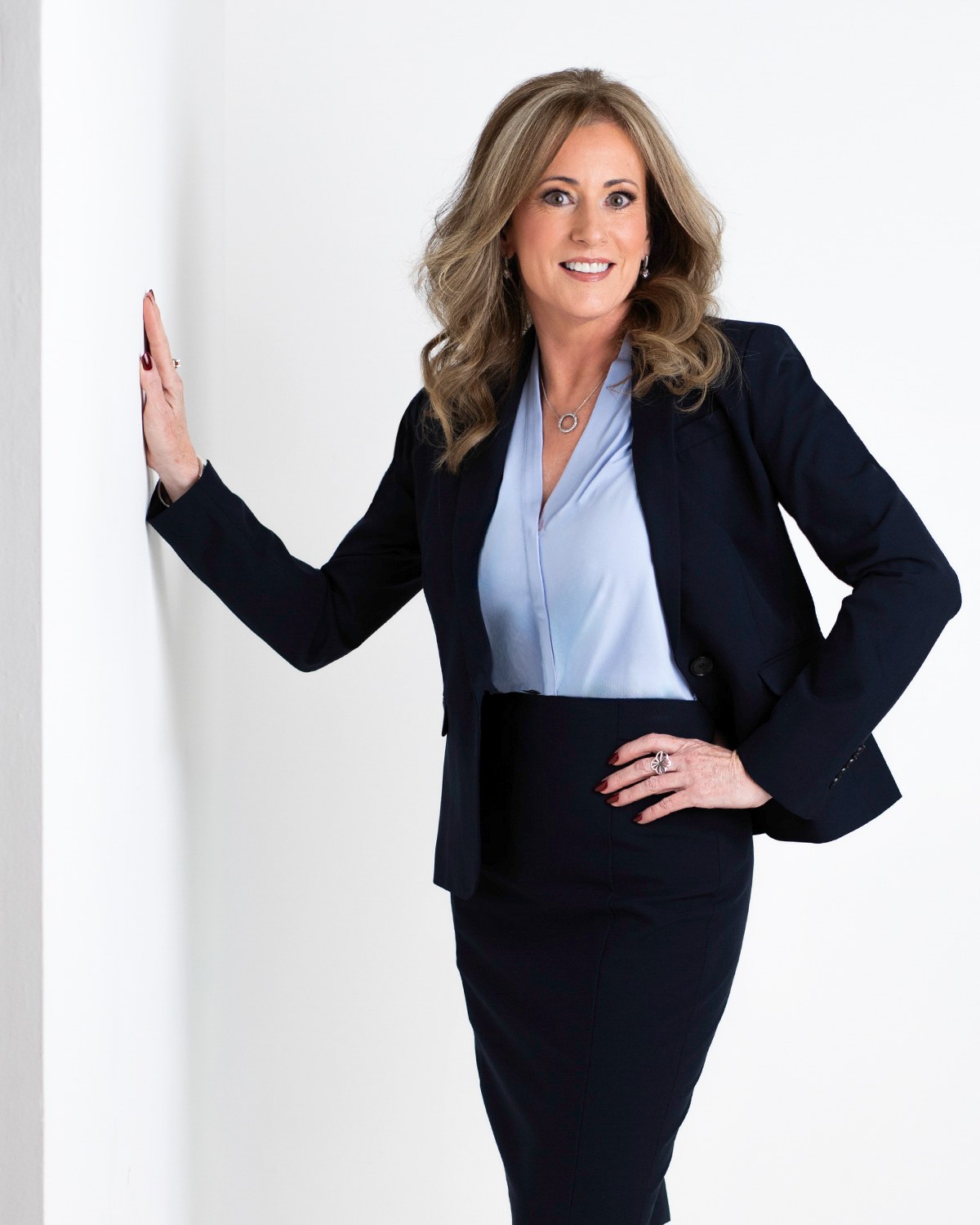
Woman with blonde hair in a navy suit leaning on a white wall, photographed by Annie Watson in her Naples studio
What Planners Ask

The requests are always the same three things.

Horizontal, high resolution, and something that is not only your face. That is the shortlist, and it turns up in nearly every email an event sends before your name goes on anything. A program is landscape. A stage screen is landscape. A website hero is landscape. Your headshot is not, and cropping it wide leaves a strip of forehead and a lot of explaining.

Then comes the one-sheet, which is a sales document dressed as a flyer. It needs a portrait, a wider image with space beside you for your topics, and ideally a frame with some motion in it, so the page suggests a person who is interesting to watch rather than a person who owns a jacket.

This page is about that whole set. If the only gap right now is the portrait itself, headshots for speakers covers that sitting and nothing here replaces it.

Just need a headshot? See headshots for speakers.
On The Day

What comes out of one sitting.

01

Every angle called for you

You can be entirely at ease in front of a full room and still tense up for one lens. I call every angle, hand and expression as we go, so the presence an audience gets is the presence the camera gets.

02

Looks for stage and screen

Nothing about the day is improvised. We choose the looks in advance, and one sitting covers several backgrounds and wardrobe changes, so a keynote-weight look and an easier workshop look both exist without a second visit.

03

Retouched, sized for the program

Each frame is retouched by hand and reaches you within the week in a password-protected gallery, at sizes that satisfy a printed program and a stage screen without another round of emails.

The shapes an event will ask you for.

Speakers get caught out by geometry more than anything else. Here is the list I plan a sitting around, and it is worth holding your current folder up against it.

  • A horizontal frame with clean space beside you, for a website hero and a title slide
  • A full-length or three-quarter frame, which programs and posters use far more often than people expect
  • A square that still reads at thumbnail size, for the session grid and the announcement post
  • A vertical frame for a story, a poster or a lobby screen
  • At least one frame with visible energy, so the page is not a passport photo with a topic list underneath it
  • Files large enough to print, because a program goes to a printer and a web-sized file falls apart there

Wardrobe belongs on the same list, because a stage screen and a printed program punish different things. Fine stripes and tight checks can shimmer when a frame is thrown up large, and they turn muddy when a program goes to a printer. Solid colors and simple shapes survive both. My guide on what to wear covers the rest of it. And if you would rather not do your own hair and makeup that day, I work with several professional stylists who can be arranged beforehand, for an added fee.

A sitting that plans for those crops delivers them. One that does not leaves you dragging a portrait into a shape it was never framed for, usually the night before a program goes to print.

The energy of a talk, in one frame.

The hard part of speaker imagery is that the thing you are selling is motion. Timing, hands, the moment you lean in. A still photograph has to imply all of it, and a straight-on portrait almost never does. So we shoot for it deliberately: gesture, weight on one foot, a turn of the head, an expression caught mid-thought rather than held for a count of three. Energy is a specific thing to photograph, and it does not arrive because somebody told you to look excited. It arrives because the frame was set up so that something real is happening in your face.

That is direction, not acting. I will not ask you to pretend you are speaking, because pretending photographs badly and everyone can tell. I set the body, call the small adjustments, and take the frames in the gaps where you are genuinely reacting. My guide on how to pose goes through the mechanics if you want to know what the cues sound like before you arrive.

It is worth saying plainly that all of this happens in the studio. There is no shot of you on a stage here, and I would not fake one. What the studio gives instead is control: light that flatters, a background that will not fight a designer, and enough time to keep going until a frame carries the energy your talk does.

A one-sheet that finally has the images.

Most one-sheets are text with a photograph apologizing in the corner. A planned set changes the document, because the designer suddenly has something to build with: a strong vertical for the top, a horizontal with room for your topics, a working frame further down, a small square for the contact block. The page starts looking like it belongs to somebody worth booking.

The same files go straight into everywhere else a booking needs them. The bureau profile. The event website. The announcement post. The slide your host puts up while introducing you. You stop editing pictures under time pressure, which is the real return on planning any of this. It also means an organizer never has to chase you, and the speaker who answers a file request in a single reply is the one who is easy to work with.

Everything happens in my private North Naples studio, a turn off Pine Ridge Road. Speakers come in for it from Bonita Springs, Estero, Fort Myers, Marco Island and elsewhere in Southwest Florida. If it is the general shape of a brand sitting you are after, my guide to personal brand photography walks through it, and if speaking is one part of a wider business, the page for entrepreneurs plans the set around all of it.

Selected Work

A look at the work.

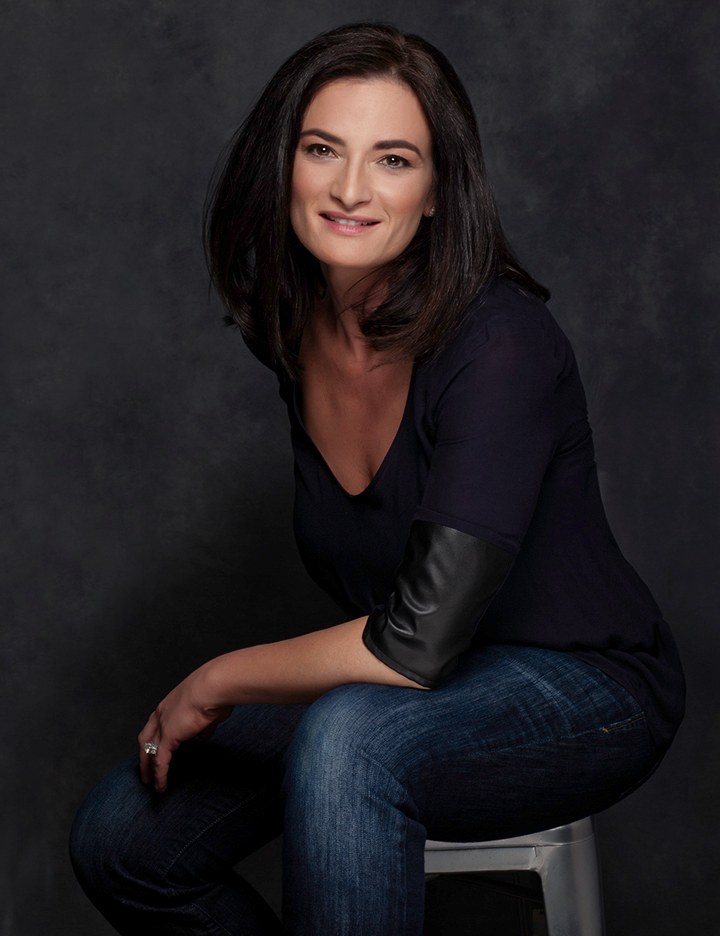
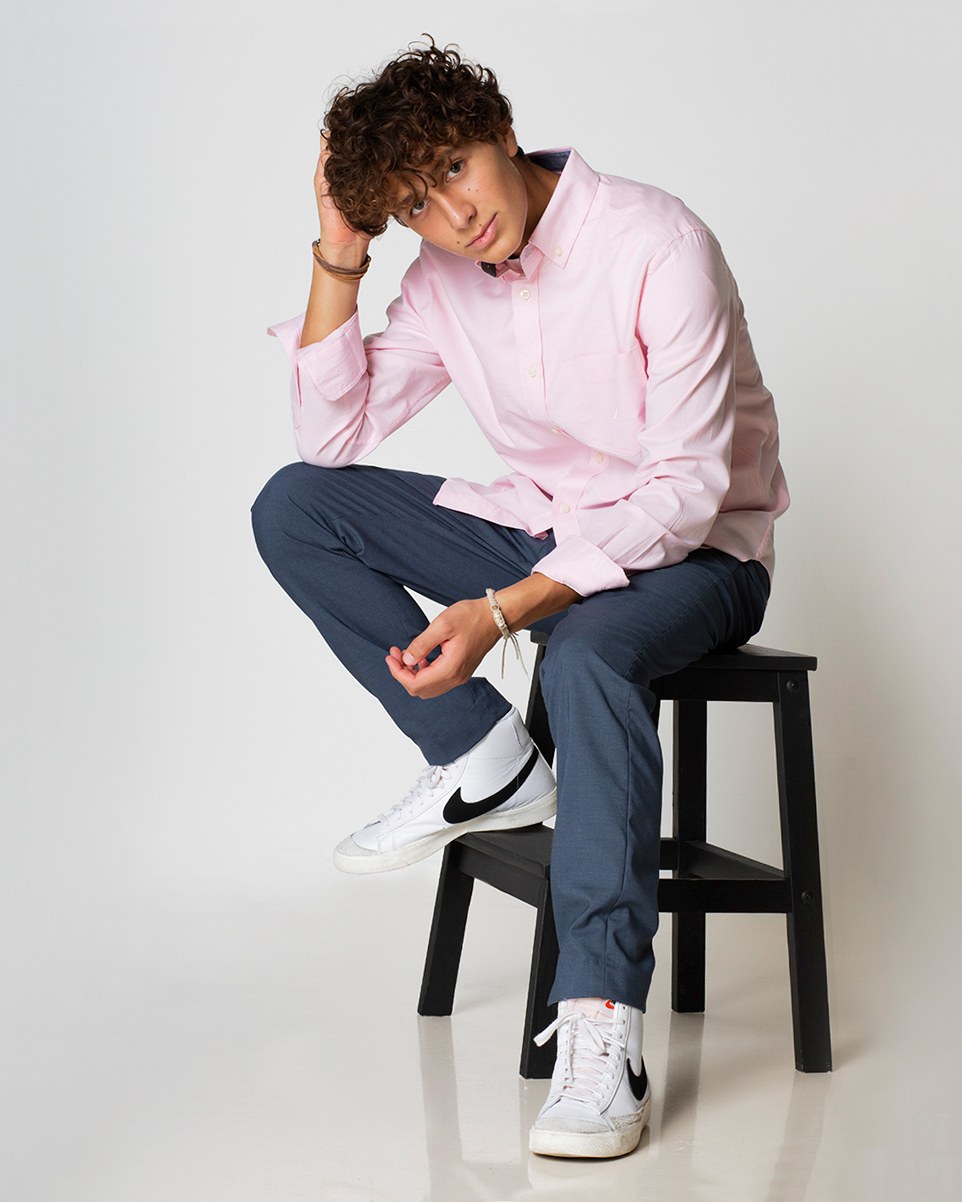
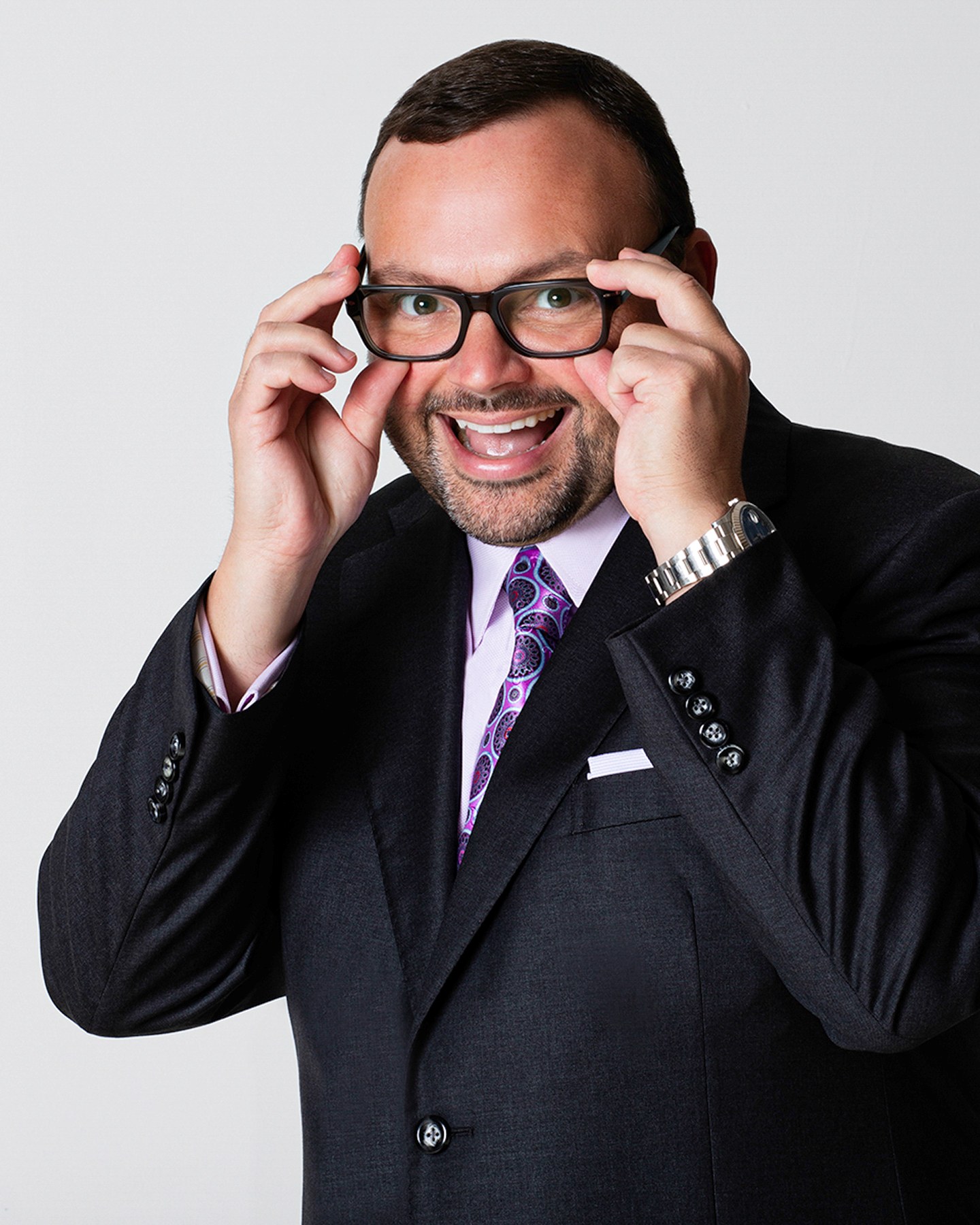
Woman with dark hair in a black top and jeans, seated on a stool, dark backdrop, photographed by Annie Watson in her Naples studioYoung man with curly hair in a pink shirt and jeans, seated on a stool, white backdrop, photographed by Annie Watson in her Naples studioMan in a black suit and purple tie adjusting his glasses with a grin, white backdrop, photographed by Annie Watson in her Naples studio
Next Step

One link, instead of an apology.

The next time an organizer asks for a horizontal file, a full-length frame and something big enough to print, the answer should be one link to one gallery. If right now it would be a cropped portrait and an apology, that is exactly what this sitting fixes. Pricing is personal, so call (239) 319-6171 and tell me what your one-sheet is missing.

Book a Session Call (239) 319-6171
Good to Know

Questions, answered.

What does a full-length frame actually get used for?
More than speakers expect. Posters, program covers, website heroes, the graphic an event posts when they announce you, and anything where a designer needs a whole person standing rather than a floating head. It is also the frame most people have never had taken, which is why the request tends to arrive as an unwelcome surprise.
I give keynotes and run workshops. Does one sitting cover both?
Yes, as two looks planned for the same visit rather than one look cropped two ways. The keynote frames are more structured: standing, a stronger background, the expression you bring to a big room. The workshop frames sit lower and easier: seated, in conversation, the version of you people meet in a smaller room. Both come out of the same sitting and still read as one speaker.
Can I just use one strong picture everywhere?
You can, and it will quietly cost you. Every context reads a photograph differently, which is why the frame that works on a conference program is not the one that works on a book jacket, and why even dating photos follow rules of their own. Plan for the place an image lands and you stop asking one frame to be persuasive in six different rooms.
Will the files be big enough for a printed program?
Yes, and it is worth asking any photographer that before you book. A program goes to a printer, and a file sized for a website comes apart there. Your gallery holds versions large enough to print, so when a coordinator asks for high resolution you forward a file instead of a promise and a delay.
I speak on serious topics. Should the pictures be serious?
They should be true. A somber portrait on a light talk reads as a mismatch, and so does the reverse, and audiences catch it well before they can explain it. Tell me the register of the room you speak into and we will light and style to match, including one warmer frame, because even serious speakers need something approachable for the introduction.
How much of this can we settle before I arrive?
Nearly all of it. We agree the looks, the crops each placement needs and the order we will shoot in, so the sitting itself is execution rather than invention. That planning is also why the day stays calm. You are not deciding anything under the lights, and I am not improvising a shot list while you stand there waiting.
Keep Exploring

Related sessions.

Book Your Session

Your best headshot is one session away.

Tell me a little about what you have in mind and I will be in touch personally. Pricing is personal, so the best way to plan is a quick call.

Studio
5400 Yahl St, Naples FL

Prefer to talk? Call (239) 319-6171. I respond personally.