Portfolio
Headshots Boudoir Personal Brand
More
Guides Investment Guided Posing About Book a Session
Home  /  Personal Brand  /  Brand Photography for Coaches

Brand photography for coaches, launch after launch.

Every offer you sell needs a face on it. The sales page, the course dashboard, the podcast art, the welcome email, the ad you will run again next quarter. I plan a set of images around those offers, shoot them across a single visit to my private Naples studio, and hand you a library that ends the scramble before every launch.

Every session includes my guided posing
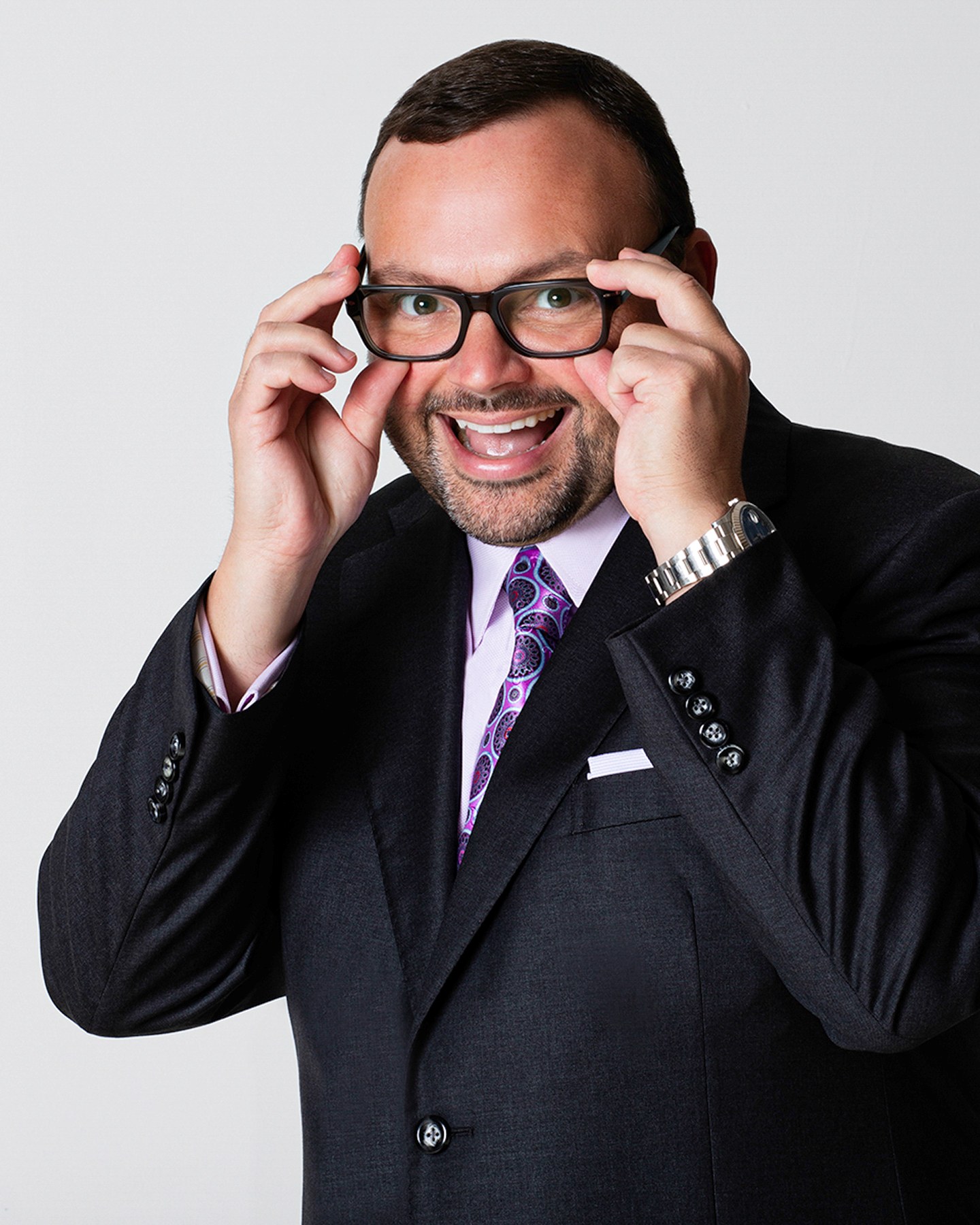
Man in a black suit and purple tie adjusting his glasses with a grin, white backdrop, photographed by Annie Watson in her Naples studio
Offer By Offer

Your images should map to what you sell.

Start with a question that has nothing to do with photography. What are you selling in the next six months? A signature program, a small group, a retreat you keep meaning to fill, a book, a podcast you host or guest on. Write them down. That list, not a feeling about your brand, is what a brand sitting should be built from, because every one of those offers is going to ask you for pictures, and ask on a deadline.

Nobody buys coaching on the curriculum alone; they buy the person, which means the images are not decoration. They are the evidence a stranger uses while deciding whether to trust you with something that matters to them. One portrait can carry that for a profile. It cannot carry a sales page, a curriculum module, a lead magnet, a set of ads and a guest appearance without starting to look like a stock photo of you.

So this page is about the library, not the portrait. One good portrait is sometimes the honest answer, and headshots for coaches covers that sitting; I would rather send you there than sell you more. If you want the general shape of a brand sitting first, my guide to personal brand photography lays it out plainly.

Just need a headshot? See headshots for coaches.
The Sitting

What you leave the studio with.

01

Directed, cue by cue

You give other people direction all day. For one sitting, you get to receive it. I call the posture, the hands and the expression a cue at a time, so nothing in these images depends on you already knowing how to be photographed.

02

A look for each offer

The looks are settled between us beforehand, and a single sitting takes in several backgrounds and wardrobe changes, so the images for your program, your podcast and your emails do not all look like the same twenty minutes.

03

Retouched and cropped to post

Your images are retouched by hand and delivered within the week in a private gallery behind a password, cropped for the places you actually post, so a launch never stalls waiting on pictures.

Build the plan from your offers.

Here is how the consultation actually goes. You tell me the offers. I ask where each one lives, who sees it first and what it needs to feel like. Then we work backwards to looks, because an outfit chosen for a mood is guesswork and an outfit chosen for a placement is a decision.

What the map usually looks like

  • The signature program: a grounded, credible look for the sales page and the checkout, plus a warmer frame for the welcome email
  • The lead magnet and the opt-in page: brighter, open frames with room for a headline to sit beside you
  • The podcast or the guest appearance: a square-safe portrait that still reads at the size of a thumbnail
  • The ads: a handful of frames different enough from each other to be worth testing
  • The about page: the one honest, unhurried picture people scroll down to find
  • The booking page: a calm, direct frame, so the last step before somebody commits still feels like you

By the time we finish, the map has become an order of work: which look comes first, which offer each frame belongs to, and what we are deliberately not shooting. That last part matters most. A sitting without a map turns into a grab bag of pictures you will never use. A sitting with one produces the frames each launch is actually going to ask for.

Images of the work, not only the face.

The frames coaches use hardest are almost never straight-on portraits. They are the ones that look like you working. Mid-sentence with your hands moving. Listening, with your head tilted. Seated with a notebook open. Laughing at whatever the person across from you just said. Those read as a practice rather than a profile, and they are what makes a sales page feel like a person instead of a template.

Every one of those frames is made in the studio, which is not where most people expect that kind of picture to come from. It does not need to come from anywhere else. A seat, a clean background and steady direction get you there, and the studio gives me control over light that no borrowed room does. What we cannot make honestly, we simply do not shoot.

If you want to know what the direction feels like before you commit, my guide on how to pose walks through the mechanics, cue by cue. The short version is that you are never asked to invent anything, and none of the plan depends on you being naturally photogenic.

One sitting that feeds months of posting.

The point of planning around offers is that you stop shooting reactively. Booking a photographer because a launch is already on the calendar and there is nothing usable to put out is the expensive way round. The pictures arrive late, they match one campaign, and a few months later you are exactly where you started.

There is a second benefit that only shows up later. Because everything came out of one sitting, the light, the color and the way you look stay consistent across the whole funnel. The ad, the landing page, the module thumbnail and the welcome email all agree with each other, and a stranger moving through them reads one brand rather than several years of assorted photographs. Consistency is most of what people mean when they say a business looks established.

A library changes the order of operations. You shoot once, with the year's offers in view, and then every launch pulls from a set that already matches. It is also the difference between a feed that looks composed and one that looks like whatever happened to be on your phone that week. To make the sitting count, read how to prepare before you come in, and if you are still deciding who to work with, my guide on how to choose a photographer is honest about the questions worth asking.

The studio is a private space in North Naples, just off Pine Ridge Road, and coaches make the drive to it from Bonita Springs, Estero, Fort Myers, Marco Island and the rest of Southwest Florida. If you sell deliverables rather than programs, the page for consultants is closer to how your set would be planned.
Selected Work

A look at the work.

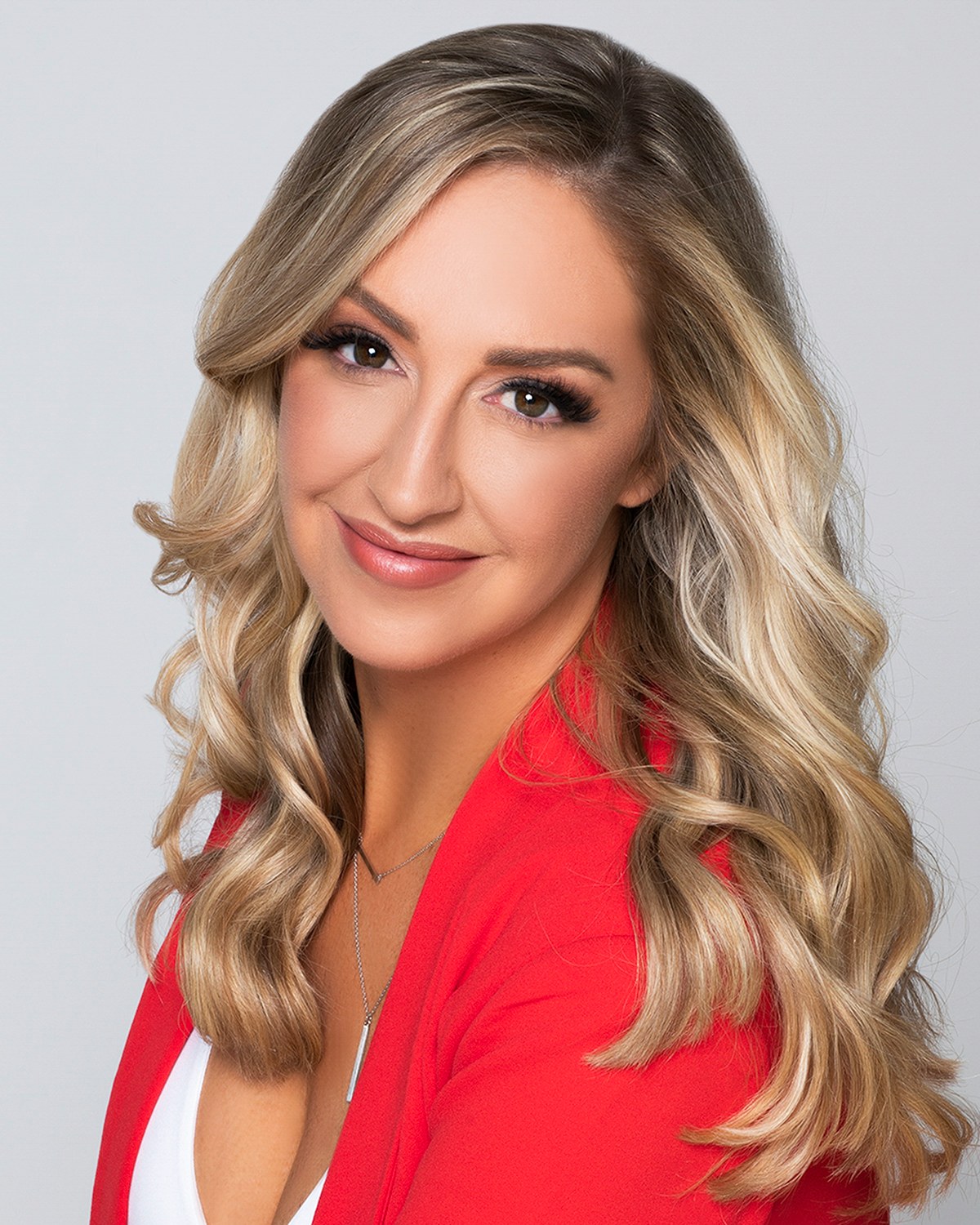
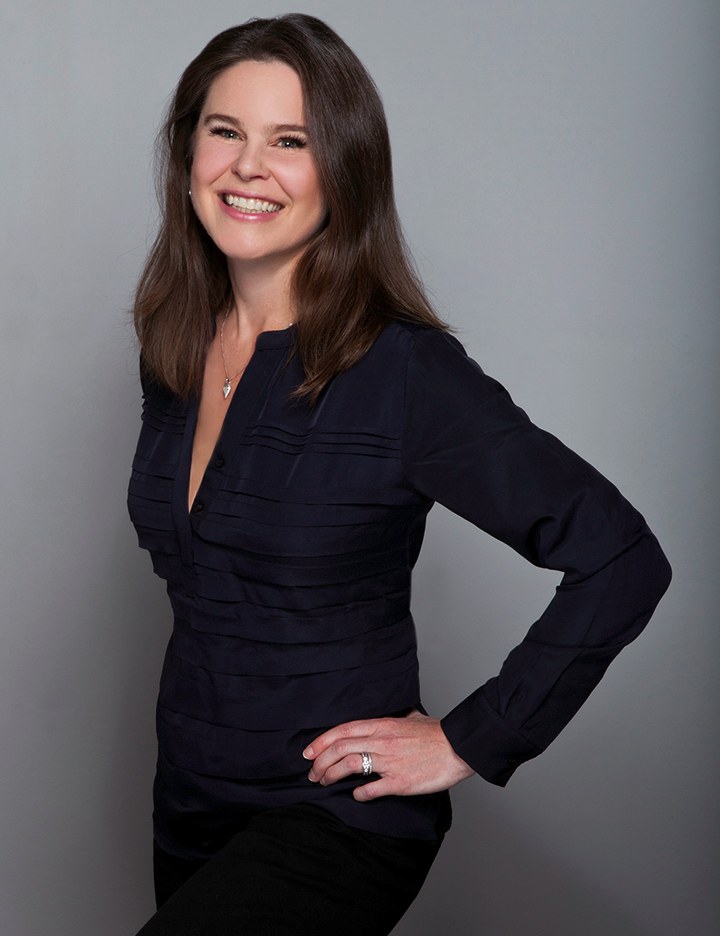
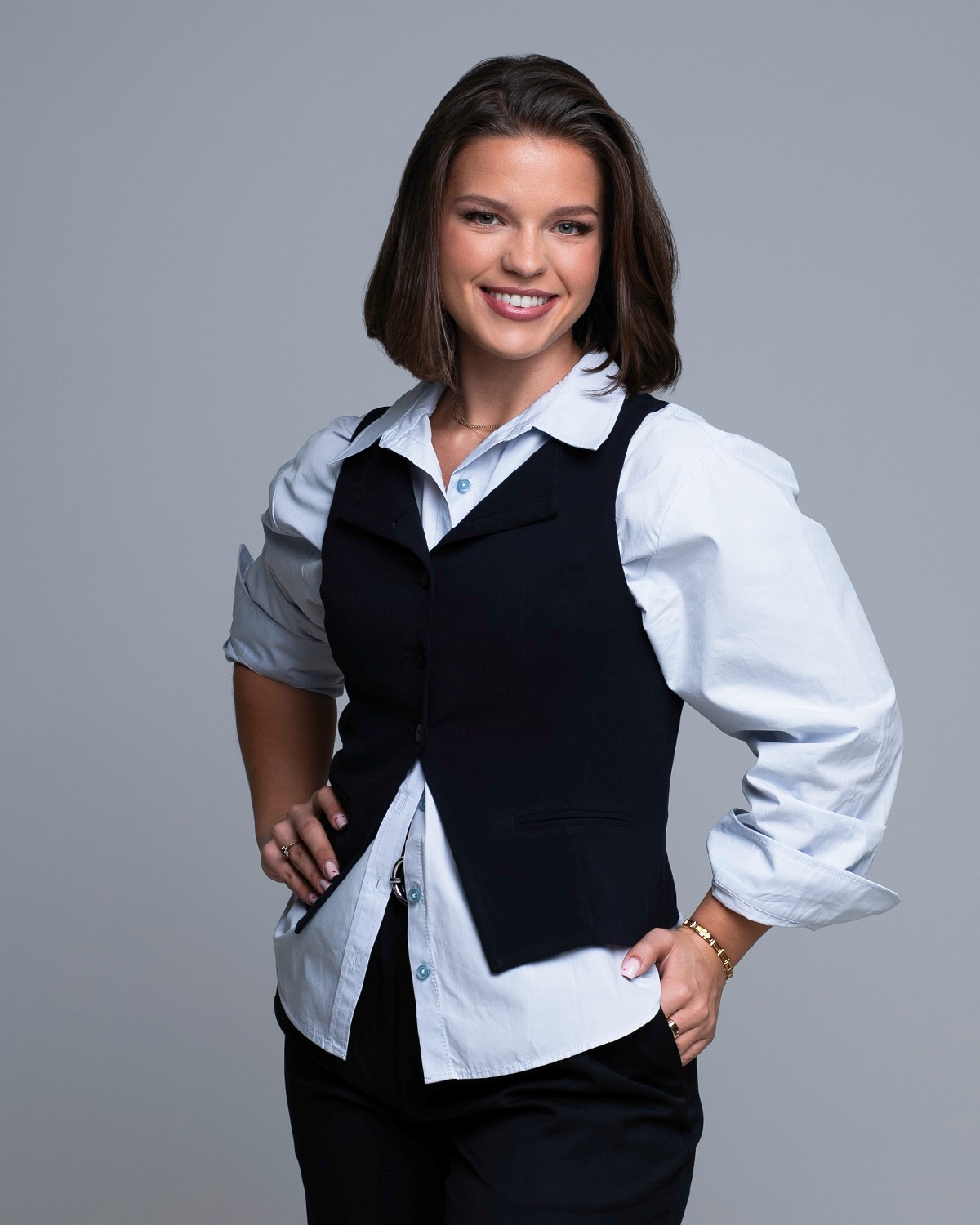
Woman in a black vest over a light blue shirt, hands on hips, gray backdrop, photographed by Annie Watson in her Naples studioWoman with long blonde hair in a red blazer, smiling, light backdrop, photographed by Annie Watson in her Naples studioWoman with long brown hair in a navy top, hand on hip, dark backdrop, photographed by Annie Watson in her Naples studio
Next Step

Tell me what you are launching next.

On the phone I will ask you two things: what you are launching next, and where the first stranger will see it. The looks, the crops and the order we shoot in all come out of those two answers, and so does what it costs, which is why this starts with a call to (239) 319-6171 or a note through the form rather than a menu.

Book a Session Call (239) 319-6171
Good to Know

Questions, answered.

Can we shoot for an offer I have not launched yet?
Yes, and it is usually the smarter order. If you know the program is coming, we can plan looks for its sales page, its emails and its ads before anything is built, so the launch is not waiting on a photographer. Bring whatever exists, even a working title and a rough feeling for the tone. Vague is workable. Absent is what makes it hard.
What if my brand has no colors or look yet?
Then we keep the backgrounds simple and the wardrobe clean, and we shoot frames with room for text so a designer can take them anywhere later. A set that leans neutral ages far better than one committed to a palette you may drop in six months. When your look does settle, the library still works and we add to it rather than starting over.
Should I bring props, books or a laptop?
Only things you genuinely use. A notebook you actually write in, the book you actually teach from, a mug. Props that belong to you read as true, and props that do not read as staged, and people catch the difference even when they cannot name it. If you are unsure, bring the option anyway and we will decide once it is under the lights.
How is planning around offers different from just getting more photos?
More photos gives you variety you cannot use. Planning around offers gives you the specific frames each place needs: a wide one with space for a headline, a square that survives a small circle, a warm seated frame for the welcome email. Same sitting, same effort, but every image has a job before I press the shutter.
Do I need to bring a client or a friend for the conversation frames?
No. It is just the two of us in the studio, and that is enough. I set you up talking or listening to a point just off the lens, and the frame reads as a conversation without anyone else in it. That is usually the stronger picture anyway, because the page is about you, and the person you appear to be speaking to becomes whoever is reading it.
Keep Exploring

Related sessions.

Book Your Session

Your best headshot is one session away.

Tell me a little about what you have in mind and I will be in touch personally. Pricing is personal, so the best way to plan is a quick call.

Studio
5400 Yahl St, Naples FL

Prefer to talk? Call (239) 319-6171. I respond personally.