Portfolio
Headshots Boudoir Personal Brand
More
Guides Investment Guided Posing About Book a Session
Home  /  Guides  /  How to Choose a Photographer in Naples, FL
Local

How to choose a photographer, fairly.

Choosing a photographer is uncomfortable because you are judging something you do not do for a living, using a portfolio someone curated on purpose. So here is the honest version: the handful of things that actually predict whether you will like your pictures, in the order I would check them, written so you can use it on anyone in town.

By Annie Watson · Naples, Florida · Updated September 2026
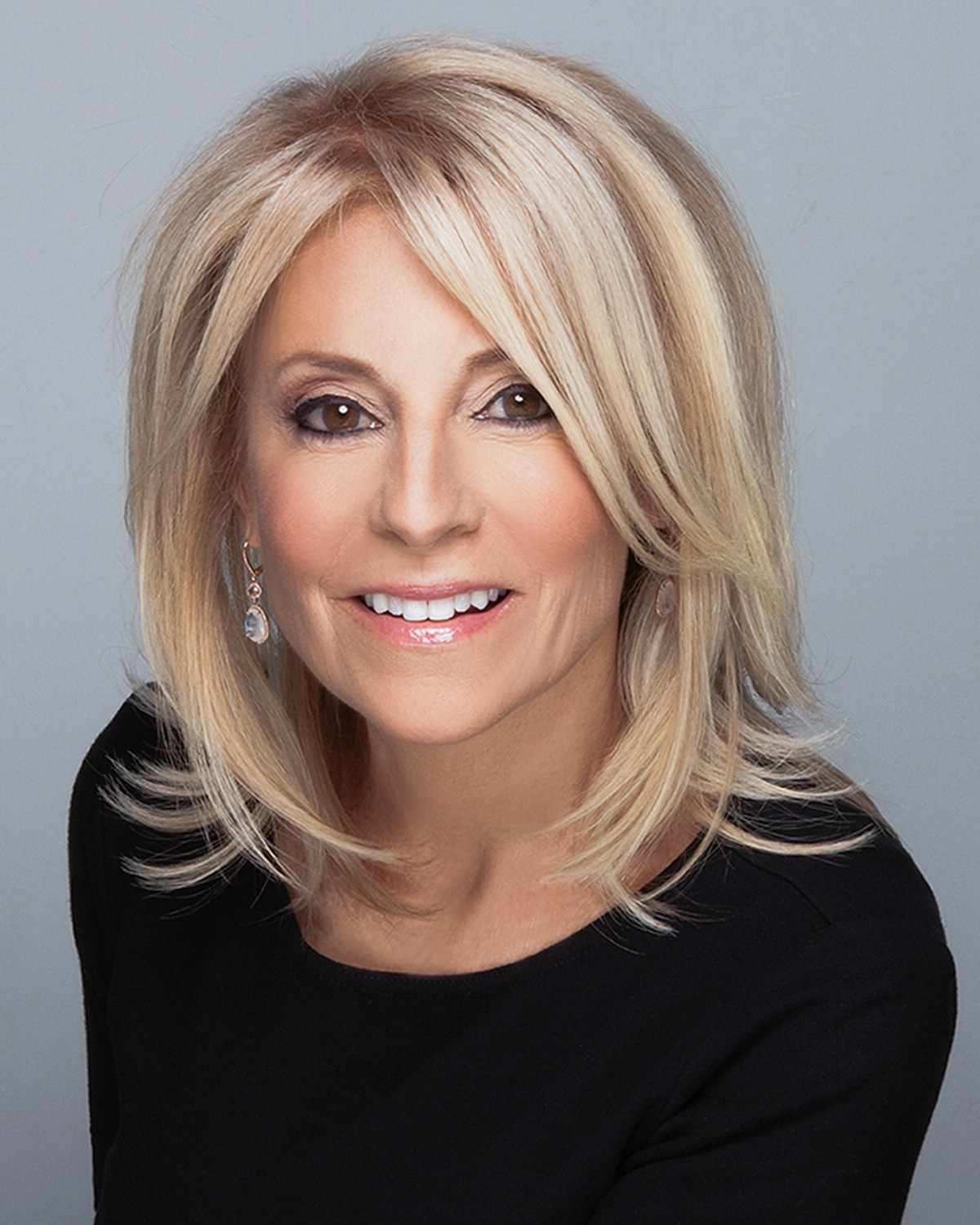
Woman with blonde hair in a black top, close portrait, gray backdrop, photographed by Annie Watson in her Naples studio
The Short Answer

Choosing a portrait photographer comes down to five checks. Is the portfolio consistent rather than lucky, with complete sets and a real range of people. Do they direct posing, or leave you to work it out on your own. Where do they shoot, and does that suit the picture you need. How do they handle finishing and delivery, and will they tell you plainly what you receive. And how do they communicate before you have paid them anything.

Look at whole sets, not highlights, and ask what happens if you freeze in front of the camera. Anyone who answers those clearly is a reasonable choice. Anyone who deflects has told you something useful.

Start with the job the photo has to do.

Before you look at a single portfolio, write one sentence about what the picture is for. Not the style, the job. Who has to be convinced, where the image will live, and how long it needs to last. Everything else in this guide gets easier once that sentence exists, because you stop asking whether the photographs are pretty and start asking whether they would do your particular job.

The sentences differ more than people expect. A portrait that has to make a stranger trust you with a decision is doing a different job from one made for the person you are marrying, which is why headshots and bridal boudoir are planned in almost opposite ways even in the same studio. A portrait for someone who leads a cause is different again. Nonprofit leaders need warmth that reads to a donor and steadiness that reads to a board, in the same frame, which is a genuinely specific brief.

What you need is someone who understands the job your photograph has to do and can tell you how they would approach it. If they ask you what the picture is for before you have to volunteer it, that is a good sign about everything that follows.

Look for consistency, not highlights.

Anyone can assemble a page of good frames. Photographers who have been at this a while have a stack of images they are proud of, and a portfolio is exactly where those go. So the useful question is not whether the best pictures are good. It is whether the ordinary ones are.

  • Look for complete sets from one sitting rather than one image from each. A set shows you what a normal session actually produces, which is what you will be buying.
  • Look for a range of people: different ages, different builds, different skin tones, people who clearly do not model for a living. If everyone in the portfolio is twenty-five and photogenic, you have learned nothing about how you will look.
  • Look at whether the lighting is deliberate or accidental. Deliberate work looks intentional across many different faces; accidental work looks great once and uneven the rest of the time.
  • Look at whether the people look like people. Faces that have been finished into plastic are a style choice you are allowed to dislike, and you will be living with yours for years.
  • Look at whether it all seems to come from one photographer. A portfolio stitched together from wildly different styles usually means you cannot predict which one you will get.

Check how recent the work is, too, and ask yourself a slightly uncomfortable question about style: would you still be happy with this look in a few years. Portraiture goes through fashions the same way haircuts do, and a heavily stylized treatment that feels striking today is the thing that will date your picture fastest. Work that leans on light, expression and good direction tends to keep working long after the trend that surrounded it has passed.

One more thing that is easy to miss: look at hands and shoulders, not just faces. Awkward hands and hunched shoulders are the most common failure in amateur portraits, and a portfolio where everybody's posture looks natural is quietly telling you the photographer directs people. If you want a checklist of what separates a working portrait from a flattering snapshot, the headshot dos and don'ts guide covers the specifics.

Ask whether they will direct you.

This is the single biggest predictor of whether you will like your photographs, and almost nobody asks about it. Most people believe they are simply not photogenic. Very few of them are right. What they have usually experienced is being handed a camera-shaped silence and told to relax, which is the least relaxing instruction in the language.

So ask directly: what do you do with someone who freezes. The answer tells you everything. Someone who directs will describe it concretely, because it is a craft with actual steps: where the chin goes, how far to turn, what to do with the weight on your feet, how to hold a hand so it does not look like a prop. Someone who does not will say something about capturing your natural energy, which sounds lovely and means you are on your own.

The mechanics are worth understanding before you book anyone, because they demystify the whole thing. Guided posing explains what the direction is doing and why it changes how a face reads, and how to pose walks through the specific adjustments. Read either one and you will be able to tell within two minutes of a phone call whether the person you are talking to actually works this way.

One follow-up question is worth its weight: ask what happens if you do not like how it is going halfway through. A photographer who has an unhurried answer to that is telling you the session has room in it.

Where the picture gets made.

Studio or somewhere else is not a question of which is better. It is a question of which trade you want. Working outside buys atmosphere and a sense of place, and pays for it in control: the light moves, the weather has opinions, the background belongs to whoever else is standing in it, and the same setup cannot be repeated next year. A studio buys control and repeatability, and pays for it in scenery.

For a portrait whose job is credibility, control usually wins, and for a set that has to match, it is not close. Nothing else reliably produces images that line up when several people are photographed, or when you come back later to add one. The full comparison, including when outdoor light genuinely is the right call and why privacy matters more than nervous people expect, is in the guide to studio work compared with shooting outside.

Then there is geography, which matters less than people assume. My studio is in North Naples, off Pine Ridge Road, and I photograph people from all over the region, including clients who drive down from Estero. If you are weighing photographers around town, the Naples portrait studio page lays out how the sessions themselves are structured.

Finishing, delivery and what you get.

This is where surprises live, and they are entirely avoidable by asking three plain questions before you book anything.

What does the finishing look like

Ask what is done to the images and whether you can request that specific things be left alone. The answer should be comfortable and immediate. If it leans heavily on what the software will fix, be careful, because that often means less attention was going to be paid in the room. The guide to retouching covers what the finishing pass reasonably does and where it should stop.

What exactly do I receive, and when

You want to know the form the images arrive in, how you get them, and roughly how long it takes. My own answer is a private, password protected gallery within the week, hand retouched and ready to download. Vagueness here is the warning sign, not the timeline itself.

What can I do with them

Ask where you may use the images and whether prints and albums are available if you want something physical. There is no single industry answer, which is exactly why it is worth a direct question rather than an assumption, and any photographer worth booking will answer it without hesitating.

What the money conversation sounds like.

Portrait pricing usually does not sit on a website, and that is not a trick being played on you. The size of the job genuinely varies: how many looks, how much finishing, whether anything ends up printed, whether one person is being photographed or nine. Most photographers who work this way would rather spend ten minutes understanding what you need than publish a number that fits almost nobody. I keep mine off the site for exactly that reason.

So the goal of that first conversation is not to extract a figure. It is to understand the shape of what you are buying, which you do by asking plainly:

  • What a sitting covers, and what sits outside it.
  • How the finished images reach you, and what form they are in.
  • Whether prints, albums or wall pieces are available if you want something physical.
  • Whether hair and makeup can be arranged beforehand, and what that adds to the day.
  • What happens if you want to add a look once you are already there and enjoying yourself.

What you should not accept is vagueness in either direction: a number with no explanation of what it covers, or an explanation that never arrives at a number. Both make it impossible to decide. And be careful with price as a proxy for fit, because it is a bad one. The most expensive photographer in town is not automatically the one who will direct you well, and the least expensive is not automatically a risk. What the number really buys is attention: one person's full focus for the length of your sitting, and the unglamorous hours of finishing afterward that nobody sees.

The first call is the tell.

By the time you have had one real conversation, you usually know. Not because of anything technical, but because being photographed well requires trusting someone for the length of a sitting, and you can feel in advance whether that is going to be easy. Pay attention to whether they ask about you or talk about themselves, whether they plan your wardrobe with you before the day or leave you guessing, and whether you feel like a person or an appointment.

  • A portfolio with only a handful of faces, or the same few people in every frame.
  • No conversation about what you will wear until you are already standing in the room.
  • Vague answers about what you receive and how.
  • A promise that the finishing will fix whatever you are worried about, offered instead of a plan for the session itself.
  • Pressure, or a sense of being hurried, before you have even booked. It rarely improves afterward.
  • Unwillingness to say plainly how they work. Everything on this list is a normal thing to ask.

It is only fair to say the obvious once, plainly: these are the criteria I would want you to apply, and they describe how I work. Guided posing in every session, your looks planned together beforehand, one private studio rather than a different setting every time, images retouched by hand, and a password protected gallery within the week. You can read the short version on the about Annie page. If someone else meets this list better for what you need, book them, because the point of the list is that you end up with a photograph you are genuinely glad to own.

And if the answer to every question above is satisfying but you are still hesitating, the thing holding you back is usually not the photographer. It is the fear of being photographed at all, which is a solved problem, and the reason direction matters more than anything else on this page.
Key Takeaways
  • Write one sentence about what your photograph has to do before you look at anybody's work.
  • Judge portfolios on complete sets and a real range of people, not on the handful of best frames.
  • Ask what they do with someone who freezes; a concrete answer means they direct, and direction is what makes people like their pictures.
  • Studio buys control and repeatability, shooting outside buys atmosphere, and the job you wrote down tells you which trade to take.
  • Ask what the finishing does, what you receive and when, and where you may use the images, before you book anything.
  • Vagueness, pressure and no wardrobe conversation are the reliable warning signs; everything on this list is a normal thing to ask.
Next Step

Put the list to the test.

Run this list on me. Ask what I do with someone who freezes, what the finishing does and does not touch, what you receive and when. I would rather answer all of it before you book than have you book a session you are unsure about. Pricing belongs in that same conversation, so it happens on a call to (239) 319-6171 or through the form, not on a page.

Book a Session Call (239) 319-6171
Put It to Work

Sessions this guide points to.

Good to Know

Questions, answered.

What should I actually ask on a first phone call?
Four things. What do you do with someone who hates being photographed. What will we decide about wardrobe before the day, and when. What does the finishing pass do, and can I ask for things to be left alone. What do I receive, and when. If those four are answered clearly and without hedging, you have learned most of what a portfolio cannot tell you.
Do I need someone who specializes in my exact profession?
Rarely. What matters far more is whether they understand what your photograph has to accomplish and can describe how they would shoot it. Profession pages are useful because they show that thinking applied to a specific job, not because the equipment changes. If someone can tell you why a portrait for your field needs a particular kind of warmth or authority, that is the signal you are looking for.
I dislike every photo of myself. How am I supposed to judge a portfolio?
Stop judging the faces and judge the direction. Look at posture, hands and shoulders across many different people. If everyone looks comfortable and nobody is doing the stiff thing with their arms, the photographer is directing rather than hoping. That is the quality that will make the difference for you specifically, far more than lighting style or background choice.
Should one photographer handle both my professional and my personal portraits?
They can, and there is a real advantage in it: someone who already knows how you photograph and how you like to be directed starts a long way ahead. What matters is that they plan each one for its own purpose, since a portrait built to win business and a portrait made for you are not the same assignment, even in the same room with the same lights.
I am not in Naples. Should that change how I choose?
Only in the sense that you should choose once and choose well. Plenty of people drive in from around Southwest Florida for a sitting, and the trip is a small part of a decision you will live with for years. Weigh the direction, the consistency and the delivery first. Then decide whether the drive is worth it, which it usually is if the rest holds up.
Book Your Session

Your best headshot is one session away.

Tell me a little about what you have in mind and I will be in touch personally. Pricing is personal, so the best way to plan is a quick call.

Studio
5400 Yahl St, Naples FL

Prefer to talk? Call (239) 319-6171. I respond personally.