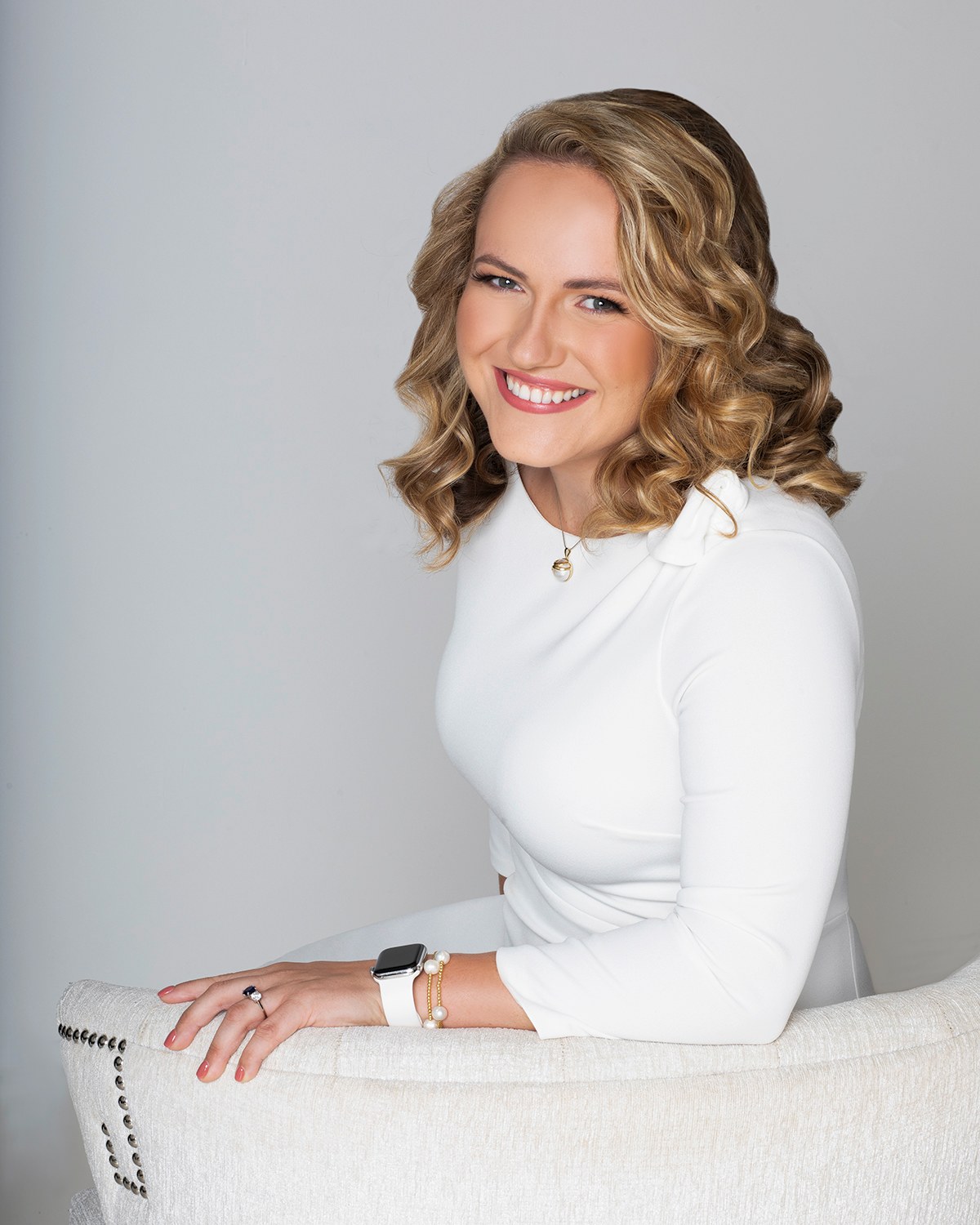
A brand sitting is not one outfit decision repeated. It is a small wardrobe plan: several looks that have to cover a website, a profile, a feed and a deck, read as different days, and still look like the same person. This is how I plan those looks, in the order the decisions actually come.

Plan a brand shoot wardrobe backwards from the channels. List where the images have to live, then choose the looks you planned together that cover that list: one sharp and formal, one that is genuinely what you wear to work, one relaxed and warmer, and if the plan calls for it, one that shows you doing the thing you are paid for.
Keep the looks in one color family so the set hangs together, keep patterns and logos out of the way of your face, and make sure each look works in a tight crop and a full-length frame, since the same sitting has to feed a profile picture and a wide website banner.
Open the calendar of your business before you open the closet. A brand wardrobe is chosen to serve a list of destinations, and writing that list is the opening move of the guide to personal brand photography, so I will assume you have it in hand: the pages, the profile squares, the posts, the bio, the deck.
Now read that list back as clothing. A homepage banner and a services page usually want the version of you a client meets, which is rarely the most formal thing you own. A profile square wants structure at the shoulder because the crop is tight. Posts want variety, because a feed that shows the same jacket eleven times looks like one afternoon rather than a working life. A pitch deck or a press request tends to want the sharpest look on the list.
This is also how you find out what you do not need. If nothing on your list is formal, the suit is not the priority and the second everyday look is. If everything on your list is formal, three variations on one register beat four unrelated moods.
The failure to plan against is four outfits that photograph as one. Same silhouette, same weight of fabric, same neutral, different buttons. In a gallery they blur, and the library ends up thinner than the effort you put into it.
The fix is to change something structural between looks, not something decorative.
Three genuinely distinct looks beat six near-identical ones, and the wardrobe consultation exists so you find that out before the day rather than in the gallery. We plan your looks together beforehand, and a sitting has room for several looks, so the question is which ones earn a place rather than how many you can physically carry.
One more thing that separates looks and costs nothing: a change of hair. Down for one look, back for another. That is the subject of hair styling for a portrait, and it doubles the apparent range of a wardrobe you already own.
Almost everyone packs the sharp look and the relaxed look and forgets the one that does the most work: the clothes you are actually wearing when you do the job.
That is the look that makes a page believable. An apron with a mark on it. The jacket with the sleeves already pushed up. The clean version of the uniform, the tool belt, the chef's coat, the scrubs, the reading glasses you genuinely need. Images where you are mid-something need clothes that make the mid-something plausible, and a person doing skilled work in an immaculate blazer reads as staged to exactly the audience you were trying to convince.
Two conditions make it work. Bring the clean version, not the beloved one with a torn pocket, because the camera finds every flaw at that resolution. And bring the accessories that go with it, since a working look is usually the sum of small props rather than one garment.
This look also travels best across a content day plan, where the point is to leave with enough material to post from for a long stretch. It gives you frames that are unmistakably about your work, which is the category most libraries are shortest on.
A brand set is judged as a group, so the palette matters more here than it does for a single portrait. The target is a run of images that looks composed on a page rather than a rail of unrelated outfits.
Build from one family. The recipe for a palette that spans several looks, and which shades suit your skin rather than your logo, is already in the guide to the best colors to wear for photos, so I will not repeat it. What matters here is the constraint it creates: everything you pack should be able to sit beside everything else. That feels limiting for about a minute and then it quietly solves the problem, because any combination you reach for on the day already works.
Resist wearing your brand palette head to toe. How to use it on purpose, in one accent or on the backdrop, is the subject of dressing for your brand colors.
Skip the sharp small patterns entirely here. They shimmer at small sizes, and a brand library gets cropped and resized more aggressively than a headshot ever does.
A brand sitting includes wider frames, seated frames and full-length frames, which means the camera sees parts of the outfit a headshot never reaches. That changes what you have to check.
Fit is doing most of the work in these frames, and the seated and turned positions expose it in ways a headshot never does. A short visit to a tailor for a hem or a shoulder is the single highest-value thing you can do to a brand wardrobe, and fit and tailoring on camera is its own guide.
A note on the tight crop, since one image from this sitting will end up as your profile picture. The headshot version of these rules is narrower and stricter, and it is worth reading what to wear for a headshot before you finalize the sharpest look.
The packing list for a brand sitting is longer than for a headshot, and it is still short.
Pack the extra look if it fits in the car. There is room to change between looks, and a garment that stays in the bag costs nothing, while the one you left at home is the one you will want. What you do not need is a rolling rack of options you have never worn, because a look you are uncertain about shows on your face rather than in the fabric.
Face and hair are part of the wardrobe on a day like this, since they carry across every look while the clothes change. Plan them once, for the whole sitting, and keep them in a register you can maintain, and the technical side of that is the guide to makeup that photographs well. If you would rather not manage it on the day, I work with several professional stylists who can be arranged for hair and makeup before the shoot, for an added fee.
Everything here is planned out loud before you pack. Tell me the destination list on the call and we choose the looks against it, which is a far better use of the sitting than sorting hangers once you have arrived at the studio for your personal brand session.
The destination list is the fact that makes a brand wardrobe easy, and it takes a few minutes to write. Send it with the form, or read it to me on the phone at (239) 319-6171, and I will say which of the looks you already own cover it and which one is still missing. Pricing is personal too, so one call settles both.
Book a Session Call (239) 319-6171Tell me a little about what you have in mind and I will be in touch personally. Pricing is personal, so the best way to plan is a quick call.
Share a few details and Annie will be in touch personally.