Portfolio
Headshots Boudoir Personal Brand
More
Guides Investment Guided Posing About Book a Session
Home  /  Guides  /  What to Wear for Portraits Over 40
Wardrobe

What to wear for portraits over forty.

By this point you know what suits you in a room. A camera is a slightly different room: it flattens, it crops close, and it is very literal about fabric. This guide is about the wardrobe choices that change the most after forty, and about the two opposite traps people fall into when they plan a portrait at this stage.

By Annie Watson · Naples, Florida · Updated September 2026
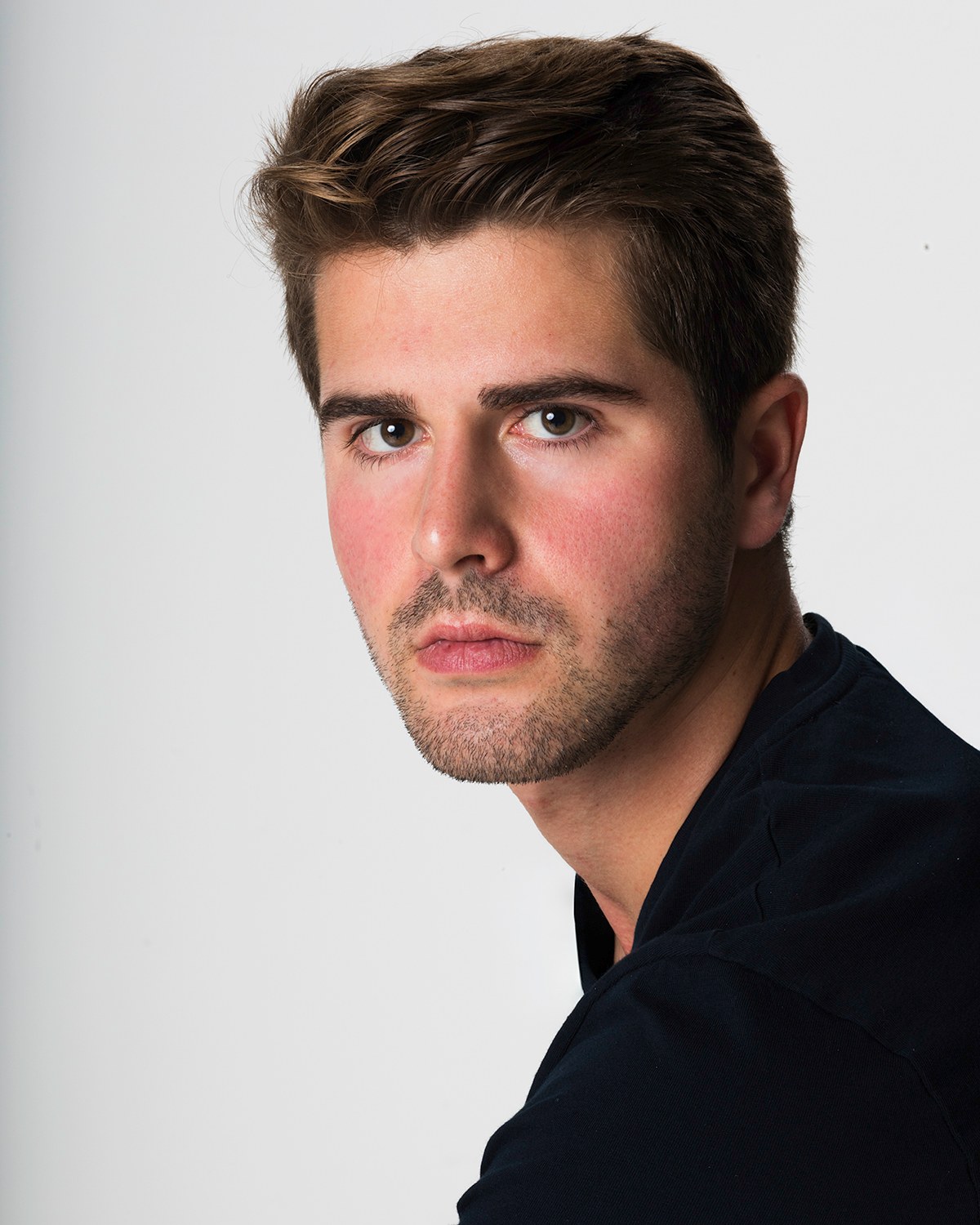
Young man with dark hair in a black shirt, close portrait, white backdrop, photographed by Annie Watson in her Naples studio
The Short Answer

For portraits after forty, choose structure over drape, fabric with some weight over thin clingy knits, and a neckline that leaves clean space between your jaw and your clothes. Keep color mid to deep and near your face, add a sleeve, and press everything, because a camera reads a crisp line as intention.

Then dress as the person you are now rather than a younger or older version of yourself. Wear the pieces you would choose for a meeting that matters, in a fit that is accurate today, and let the photograph agree with the face that walks into the room.

The two traps at either end.

Wardrobe planning at this stage tends to go wrong in one of two directions, and they are opposites.

The first is dressing younger. Borrowed trends, a fit tighter than you would normally wear, a top chosen because it looked good on someone half your age. On camera this does not read as youthful. It reads as a person wearing something that is not theirs, because the clothes are announcing an intention and your face has not been asked to agree with it.

The second is dressing older, and it is far more common. It looks like retreating: the beige cardigan chosen for coverage, the shapeless top bought to hide rather than to fit, the safe blouse in a shade that drains every bit of contrast out of your face. Coverage and shapelessness are not the same thing, and the camera can tell which one you picked.

The target sits between them, and it is not complicated. Dress like the most assembled version of the person you are right now: your register, your colors, your actual size, with the fit corrected. That is the version people recognize when they meet you, and a portrait that matches it is the one that keeps working.

None of this is about looking like anyone else. The posing side of the same question, where the chin, shoulders and hands do their own work, is in the guide to how to pose over forty.
Structure at the shoulder.

If you change one thing about a portrait wardrobe at this stage, change the shoulder.

A garment with structure across the shoulder line, a blazer, a shirt cut with a firm yoke, a knit substantial enough to hold its own shape, draws a clean vertical edge down each side of the frame. That edge is what makes a portrait look composed. Soft draped fabric does the opposite: it collapses inward, rounds the outline and gives the eye nothing to follow.

Watch the seam. It should sit on the bone, not beyond it, and a tailor can move it in an afternoon. The wider version of that argument is in fit and tailoring on camera.

Structure is not the same as stiffness. A jacket that strains when you fold your arms or rides up when you sit is worse than no jacket, because now the camera is documenting the struggle. Try it on seated and standing, arms forward, before it goes in the bag.

Necklines, and the space under your chin.

A portrait crop takes in less of you than you would guess, so the neckline is a large share of the outfit that actually appears. After forty it is doing an extra job: managing the space between your jaw and your clothing.

  • An open V, a soft scoop or a modest boat neck leaves visible space under the chin, which lets the jawline read as a line rather than merging into fabric.
  • A collar, worn open, does the same thing with more structure and frames the face on both sides.
  • High tight necklines, funnel necks and heavy cowls crowd the jaw and shorten the neck in a way the camera exaggerates.
  • Anything with a busy ruffle, a large bow or a heavy embellishment right under the chin pulls the eye straight to the area you were hoping it would pass over.

Necklaces belong in this same decision. One piece at a chest length that sits below the collarbone extends the vertical line. Two or three layered chains near the throat do the reverse and add clutter to the busiest part of the frame. Choose the piece that means something to you and leave the rest at home.

The full anatomy of this decision, across every neckline shape there is, sits in the guide to necklines that flatter in a headshot crop.

Fabric with some weight.

Fabric choice quietly decides more than color does, and this is where a portrait wardrobe most often lets people down.

The target is fabric that skims. It follows your shape without gripping it and without pooling. Ponte, crepe, a firm jersey, a mid-weight knit, a wool blend, a structured cotton: all of them hold a line under studio light and read as deliberate. What they have in common is body. You can feel it in the hand before it ever reaches a camera.

The two failure modes are opposite. Very thin knits magnify rather than hide, and heavy volume is read as size regardless of what is under it. Shine is the third, and matte wins at every age because it does not compete with the light on your face. The fabric-by-fabric version, knits, linen, satin and the pinch test, is in the guide to the most flattering fabrics on camera.

Sleeves, hands and forearms.

Sleeves are the question to settle first at this stage, and the honest answer is practical rather than moral.

Skin is one of the lightest surfaces in any frame, so an uncovered arm reflects a lot of light and draws the eye away from your face. That is true at every age. A three-quarter sleeve is the most useful length there is: it covers the upper arm, ends at the narrowest part of the forearm, and gives the arm a defined shape rather than a solid block.

Long sleeves work everywhere and are the default for a formal portrait. Sleeveless is fine if it is genuinely what you wear and you like how you look in it, and it sits better in a wider, warmer frame than in a tight business crop. If a sleeveless top is the one you love, bring a layer for it and both versions can go in the gallery.

Hands appear in more frames than people expect, particularly in seated and half-length portraits, so they are part of the wardrobe. Short clean nails in a neutral, or a color you would wear to work. A watch and one ring are fine. What does not work is a chipped manicure, since a camera at this resolution finds it every time.

Warm weather complicates all of this, because the drive and the short walk from the car are the heat problem rather than the studio itself, which is air conditioned. Packing for that is the subject of what to wear for a summer photoshoot in Florida.

Keeping color close to your face.

Contrast is the thing to protect. As hair lightens or silvers and skin tone softens, very pale clothing near the face removes the contrast that gives a portrait definition, and everything goes flat.

So put color where it counts. Mid to deep tones next to your skin: navy, teal, burgundy, plum, olive, charcoal, a warm camel if you lean warm. Silver and grey hair looks particularly good against cool mid tones and less good against washed-out beige. If you love a pale palette, wear the pale piece as the layer underneath and put the deeper color over it, so the frame still has structure and the color you like is still in the picture.

One thing to skip near the face: a shade that matches your skin tone almost exactly, which makes the whole upper frame one continuous tone. Which specific shades suit your undertone is settled in the guide to the best colors to wear for photos.

Glasses interact with all of this more than people realize. Frames with some weight add contrast and structure and can be a genuinely good choice at this stage, while very light rimless frames disappear. Everything else about them, glare, coatings and lenses that darken, is in the guide to wearing glasses in headshots.

Building the small kit you bring.

A portrait wardrobe at this stage is not a bigger pile of clothes. It is a smaller, better-chosen one, and the list follows the argument above.

  • One structured layer whose shoulder seam sits where your shoulder is today.
  • Two or three tops in solid mid to deep color, each with the neckline checked in a mirror at a close crop.
  • The three-quarter sleeve piece, and a layer for anything sleeveless you love.
  • One necklace at chest length, plus the ring and watch you always wear.
  • Coordinating bottoms and real shoes, because seated and three-quarter frames happen.
  • The glasses you actually wear, cleaned.

Then let the choosing happen out loud. We plan your looks together before the shoot, more than one look fits into a sitting, and the guided posing means you are never standing there deciding what to do while wearing a garment you are unsure about. That is the real reason planning wardrobe in advance matters at this stage: it removes the last thing you would otherwise be managing. You can see the range of what these sessions produce on the headshots page, and the wider, warmer version on the personal brand page. If you want the general wardrobe rules underneath all of this, they are in what to wear for a headshot.

Key Takeaways
  • The two traps are dressing younger and dressing older; the target is the most assembled version of who you are now.
  • Structure at the shoulder gives a portrait its clean vertical line, and a seam sitting off your shoulder undoes it.
  • Necklines that leave visible space under the chin let the jaw read as a line rather than merging into fabric.
  • Fabric with body skims and holds a shape; thin clingy jersey magnifies and heavy volume adds width.
  • A three-quarter sleeve is the most useful length there is, because bare skin reflects light and draws the eye off your face.
  • Keep mid to deep color next to your face to protect contrast, particularly as hair lightens or silvers.
  • Bring less, chosen better, with the shoulder seam, the neckline and the sleeve already checked at home.
Next Step

Nothing here asks you to buy anything.

This is a checking list, not a shopping list: a shoulder seam, a neckline and a sleeve on clothes you already own, and the ones that pass go in the bag. If you are not sure which those are, say so on the call and we will go through them piece by piece. Call (239) 319-6171 or send the form.

Book a Session Call (239) 319-6171
Put It to Work

Sessions this guide points to.

Good to Know

Questions, answered.

Should I cover my arms in a portrait after forty?
Only if you want to. The practical reason to add a sleeve is that bare skin is bright and pulls the eye away from your face, not that an arm needs hiding. A three-quarter sleeve is the useful compromise: it covers the upper arm and ends where the forearm is narrowest. If sleeveless is genuinely you, it belongs in the wider, warmer frames rather than the tight business crop, and a layer over it covers the rest.
Is black a good choice at this age?
It can be excellent and it has one condition. Black holds a strong shape and reads as clean and formal, but next to a face with less natural contrast it can pull the light away and leave you looking tired. It works best with something lighter at the neck, a collar, a scarf or a lighter layer underneath, so there is a step of tone between the fabric and your face. The rest of the argument, including how it is lit, is in the guide to wearing black or white in photos.
Will the wrong neckline make my neck look shorter?
A high, tight or heavy neckline crowds the jaw and shortens the visible neck, and a close crop exaggerates it. An open V, a soft scoop or an open collar leaves space that lets the jawline read cleanly. Posing does the rest, since a chin forward and slightly down changes that area more than any garment can. Both together are the actual answer.
What about jewelry and my glasses?
One necklace at a chest length rather than several near the throat, studs or small drops instead of anything that swings, and the ring and watch you always wear. Glasses stay on if they are part of your face, and frames with some weight tend to help at this stage rather than hurt, because they add a line and a little contrast where the frame has lost some.
Is there one piece worth spending on at this stage?
The structured layer, if anything at all. A jacket whose shoulder seam sits where your shoulder is today changes more frames than any other single garment, and it carries a formal look and a relaxed one on the same trip. Everything else on the list is already in your closet, waiting to be checked at the seam, the neckline and the sleeve rather than replaced.
Book Your Session

Your best headshot is one session away.

Tell me a little about what you have in mind and I will be in touch personally. Pricing is personal, so the best way to plan is a quick call.

Studio
5400 Yahl St, Naples FL

Prefer to talk? Call (239) 319-6171. I respond personally.