Portfolio
Headshots Boudoir Personal Brand
More
Guides Investment Guided Posing About Book a Session
Home  /  Guides  /  Poses for Social Media Photos That Do Not Look Posed
Posing

Posed photos that do not look posed.

A social feed can spot a stiff pose from a thumbnail away, so a social portrait has to look caught rather than arranged, even though every frame is planned and directed from the first one to the last. Here is how a studio session builds that look on purpose.

By Annie Watson · Naples, Florida · Updated September 2026
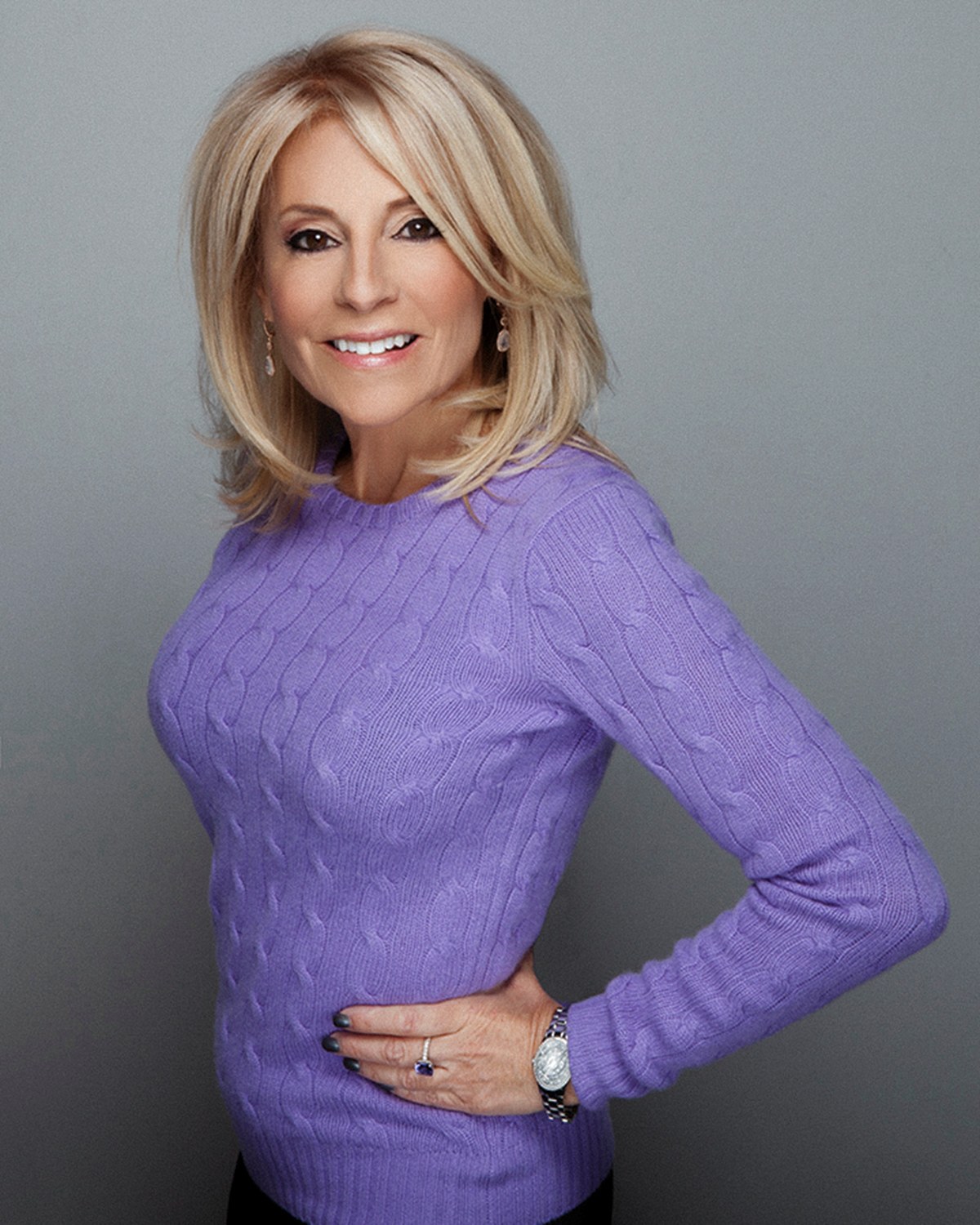
Woman with blonde hair in a purple sweater, hand on hip, gray backdrop, photographed by Annie Watson in her Naples studio
The Short Answer

Posing for social media photos means building frames that read as caught in motion rather than held still, using vertical crops that fill a phone screen, a body caught mid-turn or mid-step, an object the person actually uses, and a series of related frames rather than one repeated shot. All of it happens inside a planned, directed studio session. Looking unposed is a result of direction, not the absence of it.

The goal is a set of images that feels like ten different days rather than one outfit shot nine different ways. That comes from varying the energy, the crop and the gesture across a sitting, not from hoping something spontaneous happens on its own.

Why a formal portrait reads wrong on a feed.

A traditional portrait is built to be looked at head on, evenly lit and centered, and that is exactly what makes it read as an ad the moment it lands in a scrolling feed. A feed rewards the opposite instinct: a frame that looks like a moment someone happened to catch, even when a photographer spent real care setting it up.

This is not about faking spontaneity. It is about choosing poses and crops that were built for how a phone screen actually gets used, tall rather than wide, close rather than distant, mid-gesture rather than perfectly still. Every idea in this guide serves that one goal.

Shooting for the vertical crop.

A profile photo, a story and most of a feed are all taller than they are wide, which means a pose built for a horizontal frame gets cropped badly no matter how good it looked in camera. Vertical posing keeps the important part of the body, usually chest up or waist up, centered in a narrow column with room above the head and below the hands.

That changes what a body should do. Wide, spread-out gestures that look great in a horizontal frame get cut off at the edges in a vertical one. Closer, more contained poses, a hand near the face, shoulders slightly turned, work better because nothing important lands outside the frame when it gets cropped down for a story or a post.

Planning for the crop before the shutter fires, rather than fixing it afterward, is why frames built for social platforms need their own direction, not a horizontal portrait resized after the fact.

The mid-action frame.

Caught between two positions almost always reads more alive than caught holding one. A body mid-turn, one foot lifting into a step, a hand halfway to touching the hair, all read as a genuine moment because a truly still, held pose is not something a body does naturally very often.

The direction for this is a repeated small motion rather than a single held shape. Walking in place, turning from one mark to another, sitting down slowly from standing, and the camera catches a frame somewhere in the middle of the motion where the body has not yet settled into stillness. The full mechanics of how movement gets built into a session, and why the in-between frame is usually the keeper, are worth a full read in movement in posing.

Looking away, then back.

A direct, camera-aware gaze in every single frame of a series gets exhausting fast and reads as performed by the fifth image. Looking away from the lens, at something just off camera, over a shoulder, down and to the side, breaks that pattern and reads as a private, natural moment rather than a posed one.

  • Turn the whole head away, not just the eyes, or the frame reads as evasive instead of natural.
  • Hold the away-look for a breath, then return to the lens on a real beat rather than snapping back instantly.
  • Mix a handful of away frames into a series that also includes a few direct, camera-aware ones, so the set has range instead of one repeated mood.
  • Give the away-look something real to settle on, the object in your hands or a point just past the camera, so the eyes focus instead of drifting.

Holding something that is actually yours.

A held object gives hands somewhere to go and gives a frame a reason to exist beyond the portrait itself, and it works best when it is a real object the person actually uses rather than a prop handed to them for the day. A coffee cup from home, a notebook already covered in real notes, a phone held the way it is actually held, a tool from an actual trade, all read as true because they are.

The rule is simple: bring it with you. A studio session is built around the wardrobe and the looks planned together beforehand, and the same planning applies to anything you want in your hands. Something borrowed for the moment reads slightly off in a way that is hard to name and easy to see, and a series built around an object that is genuinely yours becomes a small piece of your actual life instead of a stock gesture.

The laugh, earned rather than asked for.

A big, open laugh is one of the hardest expressions to fake convincingly and one of the most valuable frames in a social set when it is real. Asking for a laugh directly almost never produces one. What works is giving a person something to actually react to in the moment, a genuine comment, a small surprise, a change of pace in the direction, and catching the reaction rather than requesting it.

This is also where a series pays off. The keeper is often not the laugh at its peak, where the eyes close and the face distorts, but the moment the laugh is arriving or fading, when the face is still moving and the expression has not set. Shooting a short run through the whole reaction is what puts those frames in the gallery.

Building a series, not repeating a shot.

The single biggest difference between a portrait session and a content session is volume with variety. Ten frames that all show the same expression from the same distance in the same crop feel like a single sitting stretched thin across a month of posts. Ten frames built around a few different gestures, distances and crops feel like ten separate days, which is what actually keeps a feed from looking repetitive.

That variety gets planned in advance around the looks and wardrobe changes already built into a session, not improvised frame by frame. A personal brand library benefits from this thinking most of all, since the whole point of that kind of session is range: a personal brand photography library that reads as a real, varied person rather than one good headshot repeated in different outfits.

Where this posing differs by who is in front of the lens.

A realtor building a social presence needs frames that still read as trustworthy even at their most casual, so the mid-action and looking-away ideas here get dialed back slightly and paired with more direct, confident frames, covered in full in how to pose for realtor photos. A founder or creator building a personal brand can lean further into motion and range, which is closer to the direction in how to pose for personal brand photos.

The angles that make any of this actually flatter a specific face, camera height, the turn of the shoulders, the tilt of the chin, are the same mechanics covered generally in angles that flatter, and they still apply underneath every idea in this guide. A social frame is still a portrait first, built on the same feet, weight and chin fundamentals set out in how to pose for photos. It just has a different job to do once it leaves the studio.

Key Takeaways
  • A social portrait has to read as caught rather than held, which is a result of specific direction, not the absence of direction.
  • Vertical crops need their own posing, closer and more contained, because a wide gesture built for a horizontal frame gets cut off in a story or a profile photo.
  • Frames caught in the middle of a turn, a step or a gesture read more alive than a single held pose, which is the whole subject of movement in posing.
  • Looking away from the lens and back reads natural, but only when the whole head turns and the rest of the body agrees with the mood.
  • A held object should be something you actually use, not a prop for the day, or the frame reads slightly false in a way that is easy to see and hard to name.
  • A real laugh gets earned by giving someone something to react to, not by asking for one directly.
  • A series built around variety in gesture, distance and crop reads as ten different days. A series that repeats one shot reads as one day posted many times.
Next Step

Ten days of posts from one sitting.

A social-ready set of portraits comes from planning the looks and the wardrobe together beforehand and then directing every frame in my private Naples studio, so nothing about the finished social media gallery is left to chance. Call (239) 319-6171 or send the form, and we will plan the looks and anything you want in your hands before the day.

Book a Session Call (239) 319-6171
Put It to Work

Sessions this guide points to.

Good to Know

Questions, answered.

Are these poses shot outside to look more candid?
No. Every frame in this guide is built inside the studio, using direction, movement and a real object rather than a location, to create the caught, unposed feeling. The read comes from the pose and the moment, not from the setting.
What counts as a real object I can bring?
Anything you actually use: a coffee mug you drink from, a notebook with real notes in it, a phone held the way you naturally hold it, a tool from your actual work. Bring it with you the way you would plan any other part of your wardrobe, and avoid anything picked up just for the day, since that reads differently on camera than something genuinely yours.
How many different poses do I actually need for a feed?
Fewer than most people think, if they are varied enough. A handful of distinct gestures, crops and energy levels, mixed across the looks already planned for your session, produces far more usable variety than a long list of specific poses attempted once each. Range across a few ideas beats a long list of untested ones.
I do not photograph well laughing. Should we skip it?
Not necessarily. A forced laugh on request rarely works for anyone, but a real one caught after a genuine reaction usually does, and we can find that moment without you having to perform it. If it still is not landing on the day, there are plenty of other expressions that carry a series just as well.
Does this kind of posing work for a more serious profession?
Yes, dialed to fit. The mid-action frame, the look-away and the held object all get used more conservatively for a profession that needs to read as trustworthy first, paired with more direct, settled frames. It is the same toolkit applied with a different mix, not a different toolkit entirely.
Book Your Session

Your best headshot is one session away.

Tell me a little about what you have in mind and I will be in touch personally. Pricing is personal, so the best way to plan is a quick call.

Studio
5400 Yahl St, Naples FL

Prefer to talk? Call (239) 319-6171. I respond personally.