Portfolio
Headshots Boudoir Personal Brand
More
Guides Investment Guided Posing About Book a Session
Home  /  Guides  /  How to Pose for Realtor Photos
Posing

How to pose for realtor photos.

A realtor photo has a job a headshot for most professions does not: it has to work small, on a yard sign, and stand alone as the first thing a buyer or seller judges you by. Here is how to pose for that specific job, angle by angle.

By Annie Watson · Naples, Florida · Updated September 2026
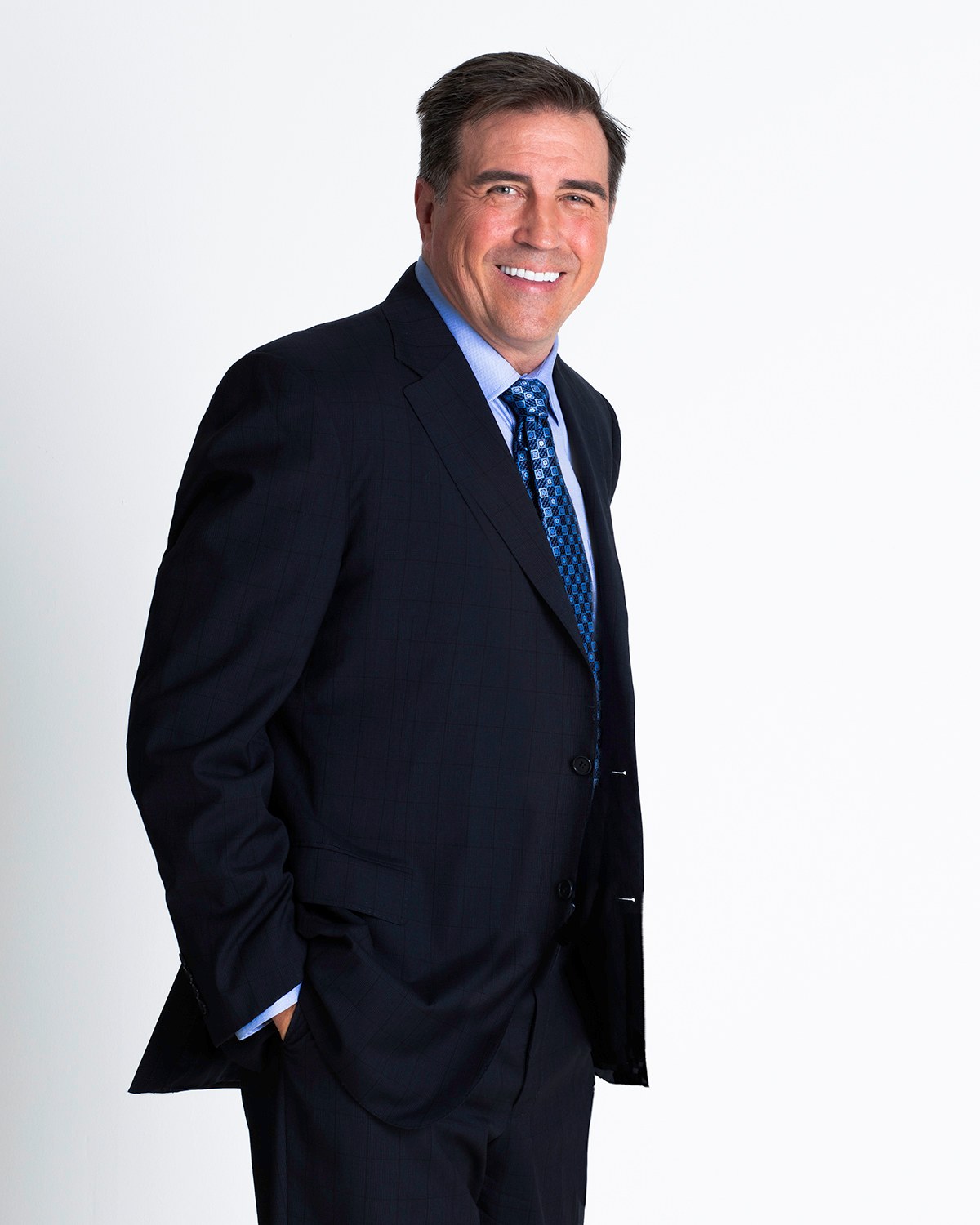
Man in a navy suit and patterned tie standing with hands in his pockets, white backdrop, photographed by Annie Watson in her Naples studio
The Short Answer

Realtor photos favor an open stance rather than a tight one: shoulders turned slightly off square, chin level, and an expression that reads as warm before it reads as polished. The pose has to survive being printed small on a yard sign, cropped tight on an app, and blown up at the front of a listing presentation, all from the same set of frames.

That means avoiding anything subtle. A slight head tilt, an expression pitched so low it is barely there, or a hand tucked casually in a pocket reads fine at full size but disappears or looks odd once it is shrunk to the size of a business card. The safest realtor pose is a clear, open, level one, held with enough warmth in the eyes that it still feels approachable rather than corporate.

Posing for the size it will be seen at.

Most posing advice assumes the photo will be seen at a reasonable size, on a screen or in print at something close to its natural scale. A realtor photo breaks that assumption constantly. It gets printed two inches tall on a sign rider, cropped into a circle the size of a coin on an app, and enlarged to fill a slide at the front of a listing presentation, sometimes all from the same session.

That range changes what counts as a good pose. A subtle three-quarter turn with an expression held back to almost nothing can look sophisticated at full size and simply look flat or unclear once it shrinks. The frames that survive every size are the ones with more separation built in: a clearer turn of the shoulders, more visible light in the eyes, and an expression with enough energy that it still reads from across a room or the size of a postage stamp.

This is the first thing worth deciding before the camera comes up: which of your frames need to survive being tiny, and which are only ever going to be seen large. The small ones get the bolder, more open version of the pose. The large ones, the listing deck, the website header, can carry more subtlety.

The open stance, and why square reads cold.

Standing perfectly square to the camera, shoulders even, weight even on both feet, reads as formal and a little guarded, which is the opposite of what a first-time buyer wants to feel when they are deciding whether to call. The fix is a small, deliberate turn: shoulders angled maybe twenty to thirty degrees off square, weight shifted onto the back foot, with the face brought back toward the lens.

That small rotation does two things a realtor photo specifically needs. It softens the stance from confrontational to approachable, and it narrows the shoulders and torso slightly in the frame, which matters more than usual because a realtor photo is often cropped close and needs to read as a whole, uncluttered shape rather than a wall of fabric filling the frame.

  • Turn the shoulders, not just the head. A turned head on square shoulders looks like you were interrupted mid-sentence.
  • Keep the front foot pointed roughly toward the lens, so the stance reads as open rather than sideways and evasive.
  • Hold the turn lightly. This is a small adjustment, not a full profile. Overdoing it looks like you are trying to hide.

The crop the sign actually needs.

A yard sign photo is usually a tight crop, head and a sliver of shoulder, sometimes inside a circle that clips the edges further. That crop punishes anything happening below the collarbone, which means hands, arm position and torso angle are irrelevant to that particular frame and headroom and eye placement are everything.

For the sign crop specifically, the eyes should sit close to true center or slightly above it, since a circular or tightly cropped frame cuts unevenly and a face positioned too low gets its chin clipped while one positioned too high leaves an odd gap of forehead. A level chin matters more here than almost anywhere else, because any downward tilt reads as looking away from the viewer in a crop this tight, and a sign is meant to make eye contact with someone walking or driving past.

What the deck crop needs instead

A listing presentation slide is the opposite problem: it is usually shown large, sometimes full screen, so a three-quarter body frame, waist up or a little lower, does more work there than a tight head crop would. That frame can carry the open stance described above in full, hands included, because there is room for the whole gesture to read clearly rather than being guessed at from a sliver.
Hands, when the frame is wide enough to see them.

In the wider three-quarter frames built for a deck or a website header, hands need the same job they need anywhere else: something to do, never a fist, never pressed flat against the ribs. For a realtor specifically, a hand resting lightly on the opposite forearm or tucked with a thumb outside a pocket both read as composed without looking stiff, and either works equally well standing or seated at a desk.

One hand position is worth calling out because it comes up constantly in real estate marketing and rarely works: arms crossed. It photographs as guarded, which fights directly against the approachable read a realtor photo is trying to produce. If you are drawn to it because it feels like a strong pose, crossed arms explains the handful of situations where it actually does work, and a realtor deck slide is rarely one of them.

Warm first, credible second.

Every profession balances warmth and authority differently in a headshot, and real estate leans further toward warmth than most. A buyer calling an agent for the first time is choosing someone to trust with a major decision, and the expression that earns a phone call is closer to a neighbor's smile than a boardroom stare.

That does not mean abandoning composure. The frame built for the listing deck or the roster page at the brokerage can sit a little more serious, since it is standing in for expertise rather than a first hello. Planning two registers, one warm and open for the sign and the profile, one a shade more composed for the deck, covers what the job actually asks of the photos rather than trying to make one expression do both.

Matching a team or a brokerage roster.

Agents on a team or working under a brokerage often need their individual photo to sit comfortably beside colleagues on a roster page, without looking identical to them. The posing answer is the same principle used for any matched set: hold the camera height, the rough turn and the expression brief consistent across everyone, and let each person's own build and expression fill in the rest.

If you are the one organizing photos for a whole team of agents rather than sitting for your own, the mechanics of building that matched set, sequencing, camera height, expression brief, are covered fully in how to pose for team photos rather than repeated here, since the underlying craft does not change by profession.

Where this fits with a full session.

Everything above is posing, one part of a realtor session alongside wardrobe, background and what the finished files are sized for. If you have not booked yet, headshots for realtors lays out what a full session includes, and every session, realtor or otherwise, is built around headshots guided the same way from the first frame to the last.

Key Takeaways
  • Realtor photos have to survive extreme size changes, from a two-inch sign print to a full-screen deck slide, so the pose needs to be bolder and clearer than a subtle three-quarter turn.
  • An open stance, shoulders turned twenty to thirty degrees off square with the face brought back toward the lens, reads as approachable in a way a square stance does not.
  • For a tight sign crop, keep the eyes near center and the chin level, since a circular or close crop punishes any downward tilt.
  • A wider three-quarter frame for the listing deck can carry hand placement and more of the stance; a tight sign crop cannot show hands at all.
  • Crossed arms is the one hand position that works directly against a realtor photo's goal of reading as approachable.
  • Plan two expression registers: warmer for the sign and profile, a touch more composed for the deck and the brokerage roster.
Next Step

Posed for every size it has to survive.

Tell me every size your photo has to survive, the sign, the app, the deck slide, and I will pose and frame for each one in the same sitting, at my private Naples studio. If you also want the fuller realtor brand library beyond a single headshot, we can plan that on the same call. Call (239) 319-6171 or send the form.

Book a Session Call (239) 319-6171
Put It to Work

Sessions this guide points to.

Good to Know

Questions, answered.

Should I smile with teeth or keep it closed for a realtor photo?
A warmer, more open expression is the usual choice for a realtor photo, because the picture has to carry approachability at a glance. A closed-mouth expression can absolutely work at small sizes; the question is which of the two reads as easier to call. That said, plan for both. A frame with more visible warmth works for the sign and the profile, while a slightly more composed expression can carry the listing deck. I will direct you through both during the sitting.
Should the listing deck frame be standing or seated?
Either works, and the deck is the one place where the choice actually shows, since the frame runs large enough to read the whole posture. Standing carries the open stance in full and suits a slide that introduces you. Seated, leaning forward from the hips with a forearm resting lightly, reads as steadier and more considered, which suits a slide that sits beside your process or your results. I would plan one of each in the same sitting rather than guess which the deck will want.
My brokerage wants a specific crop for the roster page. Can that be planned in advance?
Yes, and it should be. Tell me the exact crop and shape your brokerage requires before the sitting, since crop and headroom are decided in the room, not after. We will frame a version specifically for that spec alongside the frames built for your own sign, profile and marketing.
How is posing for a realtor different from a general professional headshot?
The underlying mechanics, chin, shoulders, hands, are the same craft described in how to pose for any headshot. What changes is the range of sizes the photo has to survive, from a tiny sign print to a full-screen deck slide, and the balance the expression has to strike, warmer and more approachable than most corporate headshots ask for.
Does the angle I photograph best from change what pose I should use?
It changes the direction of the turn, not the plan itself. Everyone has a side of their face they prefer, covered fully in angles that flatter, and a realtor's open stance simply gets built off that preferred side rather than a fixed direction for everyone. Find your side first, then the open stance and the sign crop both get planned around it.
Is a head tilt a good idea for a realtor headshot?
Used lightly, yes, and it pairs well with the open stance described above. Overdone, it drifts into a look that reads as performed rather than warm, especially once the photo is shrunk down for a sign or an app icon. Head tilt covers exactly how much is enough and where it starts working against you.
Book Your Session

Your best headshot is one session away.

Tell me a little about what you have in mind and I will be in touch personally. Pricing is personal, so the best way to plan is a quick call.

Studio
5400 Yahl St, Naples FL

Prefer to talk? Call (239) 319-6171. I respond personally.