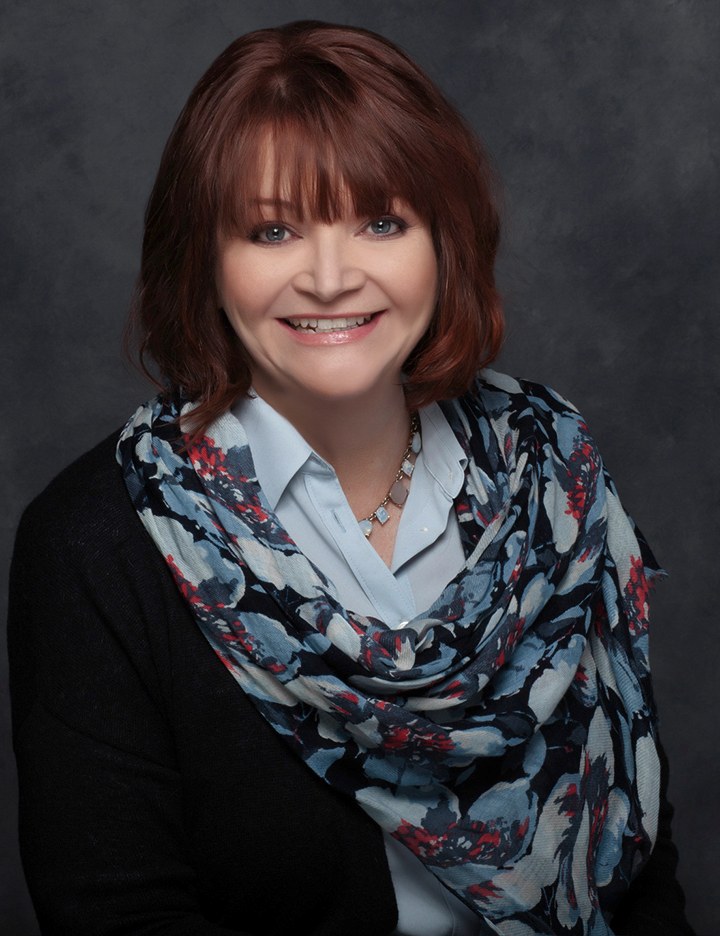
A held pose can look composed for exactly one instant before it starts to look labored. Movement is how a session avoids that instant altogether, using motion, not stillness, to arrive at the frames worth keeping.

Movement in posing means directing a person to move through a shape rather than hold one, and shooting continuously through that motion so the camera catches the frame where the body is caught mid-turn, mid-step or mid-gesture, not braced into a pose. A held pose can look natural for a moment and then starts to stiffen almost immediately, because holding still is itself an effort the body has to sustain.
In practice this looks like walking in place, turning slowly from one mark to another, or adjusting a cuff or the edge of a jacket, all shot through rather than posed and paused for. The best frame usually lands a beat after the instruction, not on it.
Holding a shape takes muscular effort, and effort shows up on camera as tension, usually within a few seconds. The shoulders creep up, the jaw sets, the breath shortens, all of it small and all of it visible the instant a still frame is examined closely. This happens even to people who feel perfectly relaxed, because the body cannot tell the difference between holding a pose for a photo and holding any other static position.
Motion sidesteps the problem entirely. A body in motion is not bracing against anything, it is simply doing something, which is why a walking step or a slow turn produces a more settled, natural-looking frame than the exact same final position held and paused. The muscles are working toward the shape rather than fighting to stay in it.
This is also why the very first still pose of a sitting rarely becomes the kept frame. It takes a moment for a body to settle, and movement gets it there faster than stillness does.
Walking toward the lens, or walking in place and turning at the last step, produces one of the most naturally settled frames available in a studio. The arms swing without being told to, the weight shifts the way it actually shifts when a person moves, and none of it has to be arranged by hand the way a standing pose does.
The direction is simple: walk a few steps, stop, walk back, repeat, shot continuously the whole time rather than paused at the end of each pass. Somewhere in the middle of that repetition is a frame with settled shoulders, a natural stride and an expression that was never asked to hold still for anything.
A slow turn, feet pivoting from facing one direction to facing another, moves a body through every angle between the two without a single one of them being posed on purpose. Shot through the whole turn, this produces a range of three-quarter views and near-profile frames in a matter of seconds, more variety than could be arranged by hand in several minutes of standing adjustments.
The turn also solves a problem standing poses fight constantly: knowing which angle actually flatters. Rather than guessing and adjusting a static pose degree by degree, a slow turn passes through all of them, and the best angle for that particular face gets caught along the way rather than hunted for.
A hand tucking hair behind an ear, adjusting a cuff, straightening a lapel, resetting a watch: these are small, genuine gestures a body does without thinking, and they photograph as some of the most natural-looking frames in an entire session precisely because nobody had to invent them.
Sitting is usually treated as a destination, a position to arrive at and then hold, but the act of sitting down slowly is a movement in its own right and often produces a better frame than the final seated pose does. The body is still adjusting, the spine has not yet settled into a fixed shape, and the resulting frame reads as a moment rather than an arrangement.
The same is true in reverse. Rising from a seated position, caught partway up, carries the same natural, mid-motion quality. Both directions get shot continuously rather than paused at the beginning or end, because the useful frame is almost always somewhere in the middle of the motion, not at either edge of it.
The technical piece behind all of this is simple: the camera keeps shooting while the instruction is happening, not before it and not after. A photographer who says turn around and then waits for the turn to finish before taking a picture has thrown away every frame that made the turn worth doing in the first place.
This is also where direction and timing matter more than any individual instruction. Knowing when the body has moved just far enough, when the weight has shifted but not yet settled into stiffness, when the small gesture is mid-motion rather than at its start or finish, is a matter of watching continuously and choosing the moment rather than requesting a specific one. That watching is the entire reason a directed session outperforms an undirected one, a point covered more broadly in how to pose for photos.
A single sitting rarely uses one kind of movement throughout. Early frames, while a person is still settling in, often benefit from something as simple as a slow walk or a turn, low-stakes motion that gives the body something to do besides think about the camera. Later in a session, once the nerves have worn off, movement can get more specific: a seated adjustment, a small gesture with a piece of wardrobe, a quicker turn.
This progression matters for a headshot session as much as a broader personal brand library, though the two use it differently. A headshot session might use one or two moments of movement to loosen a person up before settling into a more still, precise final frame. A brand session leans into movement throughout, since range and energy across a whole set of images is the entire point of that kind of library. The mix shifts again after forty, where slower, gentler movement tends to read better than a quick turn, a point covered specifically in how to pose for portraits over forty.
Movement is a tool for looseness and timing, not a fix for every kind of stiffness. A person whose expression is forced will look forced whether they are standing still or walking, because the tension in that case lives in the face rather than the body, and that is a separate question with its own fix, covered fully in how to look natural in photos.
It is also not the same conversation as choosing whether a picture should feel serious or bright, which depends on the purpose of the image more than on whether the body was moving when it was taken, a distinction worth its own read in smiling versus serious headshots. Movement earns its place for a specific reason, loosening tension and catching an honest in-between moment, and it is one tool among several rather than a fix for everything.
For frames built specifically for a feed rather than a formal portrait, movement does even more of the work, and that particular use is worth its own full read in poses for social media photos.
In my private Naples studio the direction includes walks, turns and small gestures as well as held shapes, because the frame between two poses is so often the one worth keeping. Call (239) 319-6171 or send the form, and we can talk through what the pictures need to do.
Book a Session Call (239) 319-6171Tell me a little about what you have in mind and I will be in touch personally. Pricing is personal, so the best way to plan is a quick call.
Share a few details and Annie will be in touch personally.