A real smile is not a thing you summon. It is a thing you build, in an order, and the order is the entire secret. Once you know which part moves first, producing a genuine smile on demand stops being a talent some people were born with and becomes a small physical routine you can run whenever a lens is pointed at you.

To smile naturally on cue, breathe out first, then let your eyes go before your mouth. Soften the jaw, tighten the muscles under your lower lids a fraction so the eyes narrow slightly, and only then let the corners of your mouth lift into whatever that lift produces. Stop at the first honest version rather than pushing for a bigger one.
Then let it go completely before the next frame. Look away, let your whole face drop, and rebuild it. A smile held across several frames stiffens into a grimace within seconds, and you cannot feel that happening from inside your own face.
Every instruction that has ever been shouted at you from behind a camera has the same defect: it addresses the mouth. Say cheese, big smile, give me a grin, one more with feeling. All of them tell the bottom half of your face to do something while the top half waits, and a mouth that moves alone is the definition of a fake smile. Anybody looking at the picture can see it, even if they cannot say why.
There is a second problem with the countdown. Three, two, one is an instruction to peak on a beat, so you begin your smile early and hold it, which means the camera catches you at the far end of an expression rather than in the middle of one. That is where the eye strain and the tight lower lip come from.
So the routine below fixes both. It moves the top of the face first, and it never asks you to hold anything.
Start with the breath, because a held breath shows up everywhere else. When you know a picture is about to be taken, you inhale and keep it, and holding it sets the jaw, which is precisely the part a smile has to move. If a photograph of you looks braced and you cannot say why, that is usually what you are looking at.
The fix is to breathe out just before, not in. A slow exhale through slightly parted lips drops your shoulders on its own, loosens the jaw and softens the mouth without you doing anything to your mouth at all. Try it once now, with a hand on your shoulder, and you will feel the drop.
Then keep breathing. Normally, quietly, through the whole thing. The point of the exhale is not one heroic breath, it is that you are not holding one. Everything below the neck follows the same principle, which is why the breath comes so early in how to pose for photos as well.
Here is the actual mechanic, and it is worth practising until it is automatic. With your mouth completely still, tighten the muscles that sit just below your lower lashes, as though you were looking at something slightly too bright, but only a fraction. The lower lids come up a little. The upper lids barely move. The eyes narrow just enough that they stop looking wide and startled.
Now, without letting that go, allow the corners of your mouth to lift. Do not push them. Let them come up as far as the eyes have already earned. What you get is a small, complete, unmistakably genuine expression, and it will feel like far less than you think a smile ought to be.
That is the whole thing. The eye move on its own carries an enormous amount, which is why it is worth learning as a separate skill, and I have written the full version of it as what the eyes in portraits are doing. The mouth is a passenger. Once the eyes are working, almost anything the mouth does will look right.
A smile with nothing behind it is a shape. What makes it read as real is that it is about something, and you get to choose what. The usual advice is to think of something funny, which fails because you cannot make yourself find something funny on demand and the attempt shows.
Think of a person instead. One specific person, not a category. Somebody who is easy to be around and slightly ridiculous. Bring them to mind properly, the way they say your name, and let your face do what it does. That is a much smaller ask than manufacturing an emotion, and it produces something the camera cannot tell apart from the real thing, because it is the real thing.
This is the part I supply out loud in a sitting, which is a large share of what guided posing means in practice: not telling you to smile, but handing you something to smile about at the moment the shutter is open.
No smile survives repetition. Held for four or five frames, it slides from expression into effort: the lower lip tightens, the eyes stop participating, and the whole face acquires that faint strain you have seen in group photographs. From the inside it feels identical the whole way through, which is why you cannot correct for it yourself.
So break it deliberately. Look away, let everything drop, exhale, and come back. Rebuild rather than sustain. If you are taking your own pictures, this means you get one or two frames per attempt, not fifteen, and the discipline of resetting will beat the volume every time.
Movement helps for the same reason. Turning your head to the frame instead of already facing it, or walking a step into position, gives your face something to arrive from, which is the argument behind using movement in posing at all. A face caught arriving looks alive. A face that has been waiting looks like it has been waiting.
Once the routine is working, a handful of details separate a good frame from a great one, and all of them are small.
None of that is about being photogenic. It is a checklist, and checklists are learnable in an afternoon.
Do the eye move on its own, in a mirror, with your mouth held absolutely still. Watch the lower lids come up. Watch the difference between a fraction and too much, because too much is a squint and a squint looks suspicious rather than warm. Learn where your fraction is, then stop looking at the mirror and just learn what it feels like.
Then practise on a phone rather than a mirror, because a still frame tells you the truth a moving reflection cannot. Take a few, reset properly between each, and look at them an hour later rather than immediately. Your first reaction to a picture of yourself is not a useful one.
This is enough to change casual pictures entirely, whether that is a set of poses for social content or the picture on a sign, which is why it matters so much when you pose for realtor photos and your face has to look approachable on a page of strangers. Whether the finished frame should be a warm one or a composed one at all is a separate decision, and I have argued that one out in smiling or serious headshots.
And when you are in front of a camera I am holding, none of this is your job. I will hand you the breath, the eyes and the thought in that order, one at a time, and keep handing them to you while the shutter runs. Knowing the routine just means you will recognise what I am asking for. It is the same routine I use for a single profile picture and for a full set of headshots across several looks.
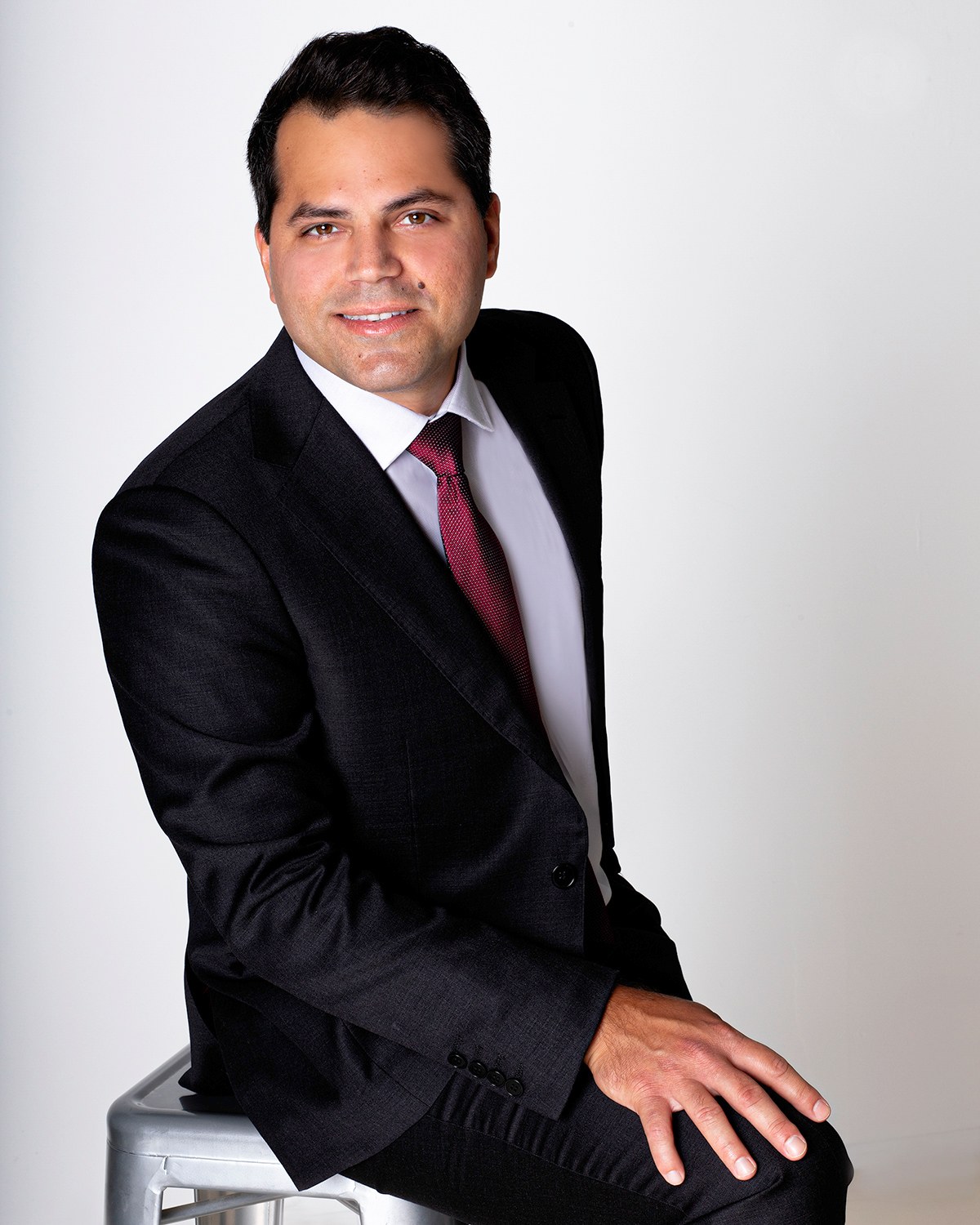
Breath, eyes, then mouth, and a reset before every frame: that is the whole routine, and in a sitting I hand it to you one piece at a time so you never have to run it in your own head. Pricing and planning are personal, so call (239) 319-6171 or send the form and tell me what the pictures are for.
Book a Session Call (239) 319-6171Tell me a little about what you have in mind and I will be in touch personally. Pricing is personal, so the best way to plan is a quick call.
Share a few details and Annie will be in touch personally.