This is the blunt list. Your headshot is working while you sleep, on profiles and bios and business cards you have forgotten you are on, making a first impression you are not there to manage. Here is what makes one good, what quietly ruins one, and the handful of rules I would enforce everywhere if anybody let me.

The dos: hire someone who will coach you, decide what the photo is for before you shoot it, plan your wardrobe in advance, sort your grooming a few days out, get properly lit, let yourself be directed, and use a picture that looks like you today.
The don'ts: no selfies, no blurry or badly lit files, no group photos with someone cropped off, no party pictures, no sunglasses or heavy filters, no blank profile picture, and nothing so old that meeting you in person plays as a correction.
Four things decide whether a headshot works, and only one of them involves a camera.
Get those four right and almost any competent camera will do the job. Get them wrong and the most expensive equipment in the county will still hand you a photograph you quietly dislike and use anyway.
Roughly in the order they happen.
Now the ones that quietly cost you.
Every one of those is the same mistake in different clothes: treating the photo as an afterthought when it is the first thing anyone sees.
The honest case for hiring somebody is not that your phone is bad. It is that you cannot see yourself.
You cannot tell from behind the camera that your chin has dropped, that one shoulder crept up, that your jaw has locked, or that the light coming past you is drawing a line down one cheek. Somebody standing three feet away sees all of it and fixes it in a sentence. That is what you are hiring: judgment, in real time, about a face you have never once looked at from the outside.
Then there is light, which is a craft rather than a setting, and retouching, which should be done by hand and done lightly. A hand retouched file still looks like skin. An automatic one looks like a mannequin who owes you money.
And there is the part nobody advertises: being talked through it. Most people arrive convinced they are not photogenic. They are almost always just undirected. The long version of how a sitting runs is in the guide to professional headshots, and the mechanics are in how to pose for photos. I make these headshots in my private Naples studio, and people drive in from across Collier and Lee counties for them. If you are coming from Ave Maria, plan on about 45 to 50 minutes.
This is the rule people like least, so let me put it plainly. A current photograph that is merely good beats an old photograph that is wonderful.
The purpose of a headshot is recognition and trust, and both break the moment there is a gap between the picture and the person. Somebody who has looked at your photo all week and then meets you spends the first two minutes adjusting. They do it silently, and the adjustment is never in your favor. It is a small deficit, but you opened the conversation with it.
The signs that yours has expired are not subtle: different hair, different glasses, a beard that came and went, a collar you can date on sight. If you find yourself explaining the photo, replace the photo.
The fix is not complicated. Book the sitting, bring the looks you actually wear now, and then replace the picture everywhere it lives on the same afternoon: the profile, the company bio, the conference program that still has the old one. Your LinkedIn headshots are a sensible place to start, because that is the picture that travels furthest.
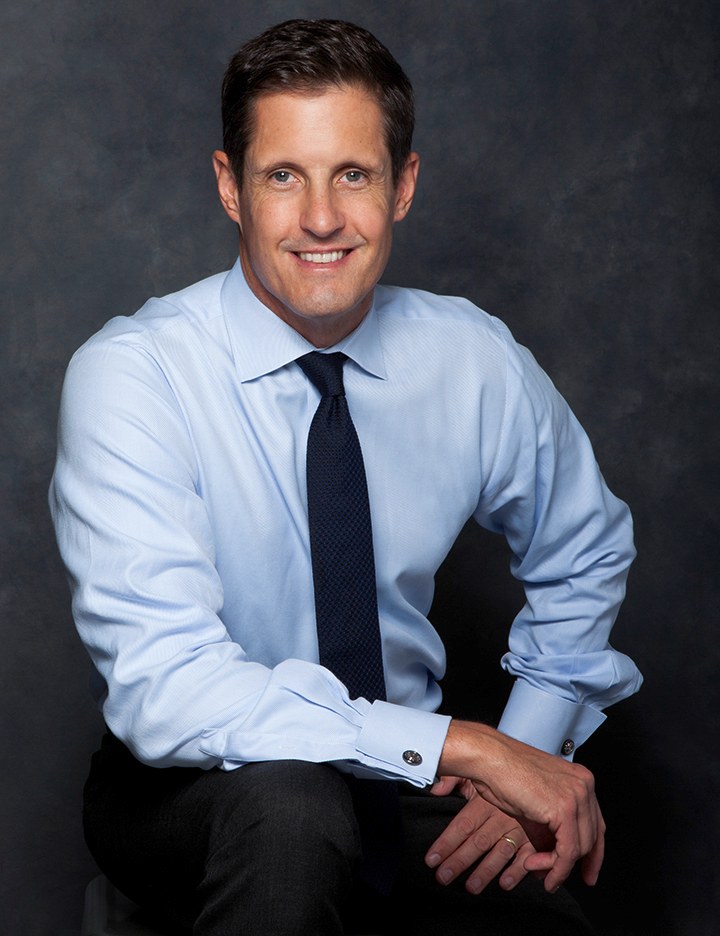
One more thing my original list got right: bring a variety.
A single shirt gives you a single photograph. Bring options, and one sitting gives you several finished looks that you will need sooner than you expect. And make sure the trousers go with the tops, in case a wider frame turns up.
I am deliberately not writing out the full wardrobe rules here, because they have a guide of their own. What to wear for headshots covers color, necklines, fit, patterns, glasses and jewelry in the detail they deserve. The short version: solids, good fit, quiet colors, bring a jacket.
And a note on scope, because these rules are not universal. A personal brand session for entrepreneurs wants more of your real life in the frame, not less. Dating photos follow almost the opposite instincts, warmer and looser and far less corporate. And a personal portrait, like boudoir for Marco Island clients, is a different job altogether. Match the rules to the picture's purpose, or the picture ends up in the wrong room.
Get photographed on purpose, by somebody who will tell you what to do with your hands, and then actually use the picture. That is the whole list. If you want to talk through what yours is for and what it should look like, call me at (239) 319-6171 or send the form and I will answer personally.
Book a Session Call (239) 319-6171Tell me a little about what you have in mind and I will be in touch personally. Pricing is personal, so the best way to plan is a quick call.
Share a few details and Annie will be in touch personally.