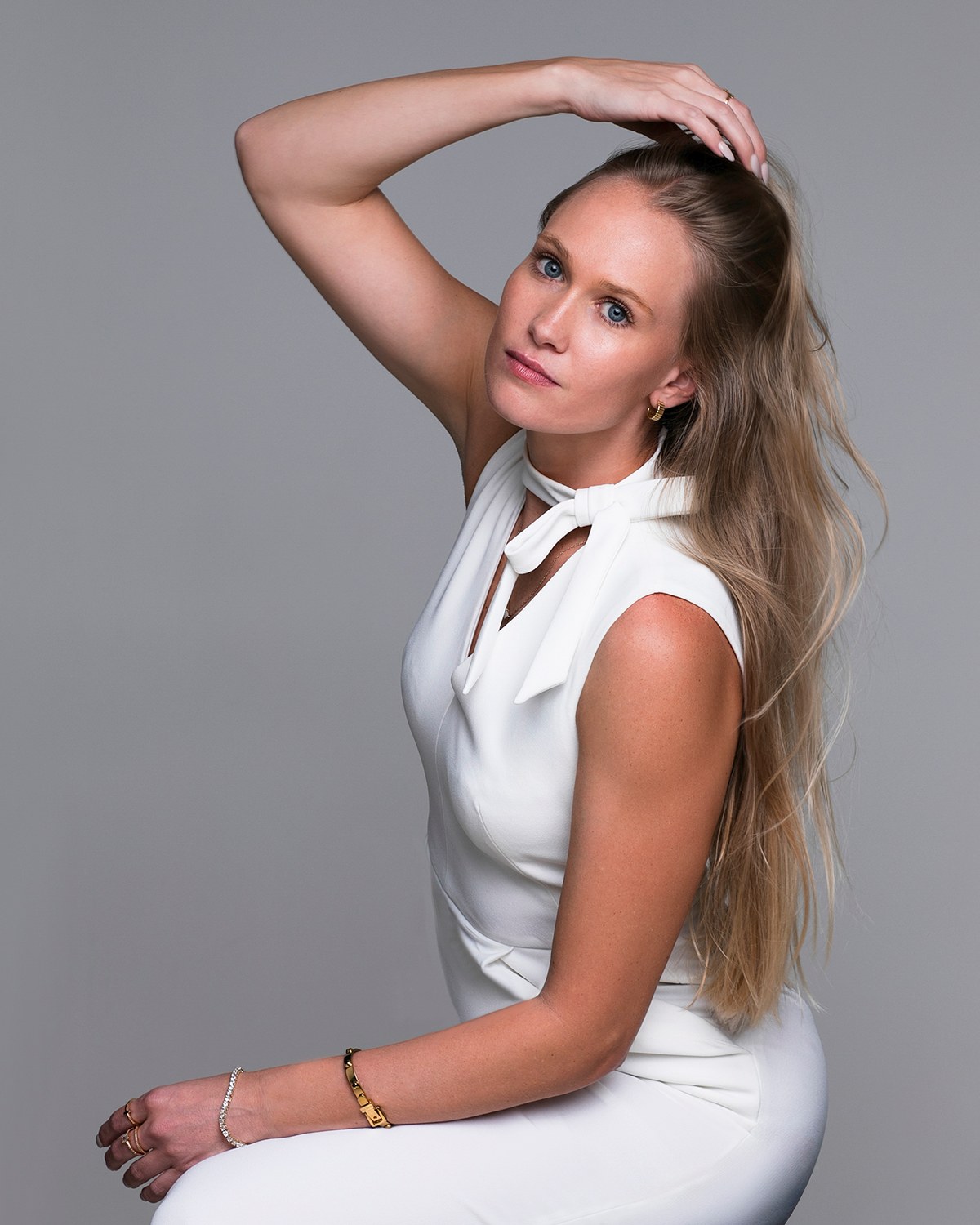
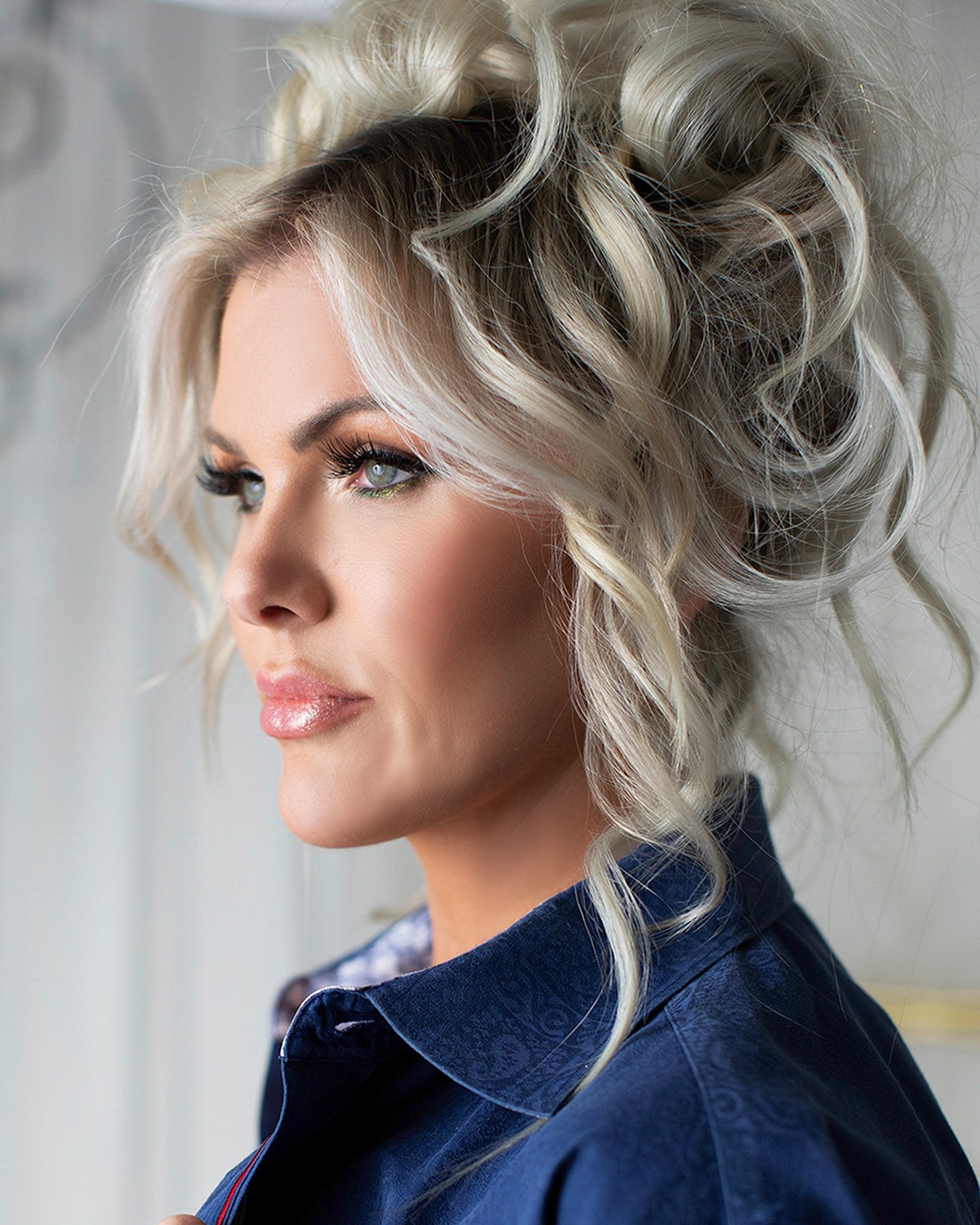
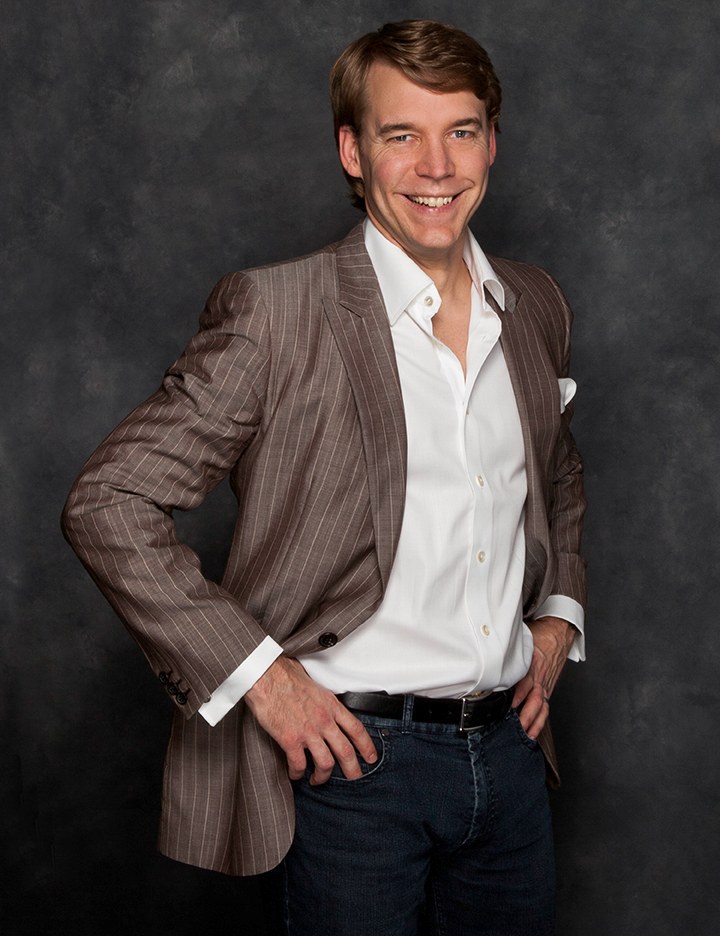
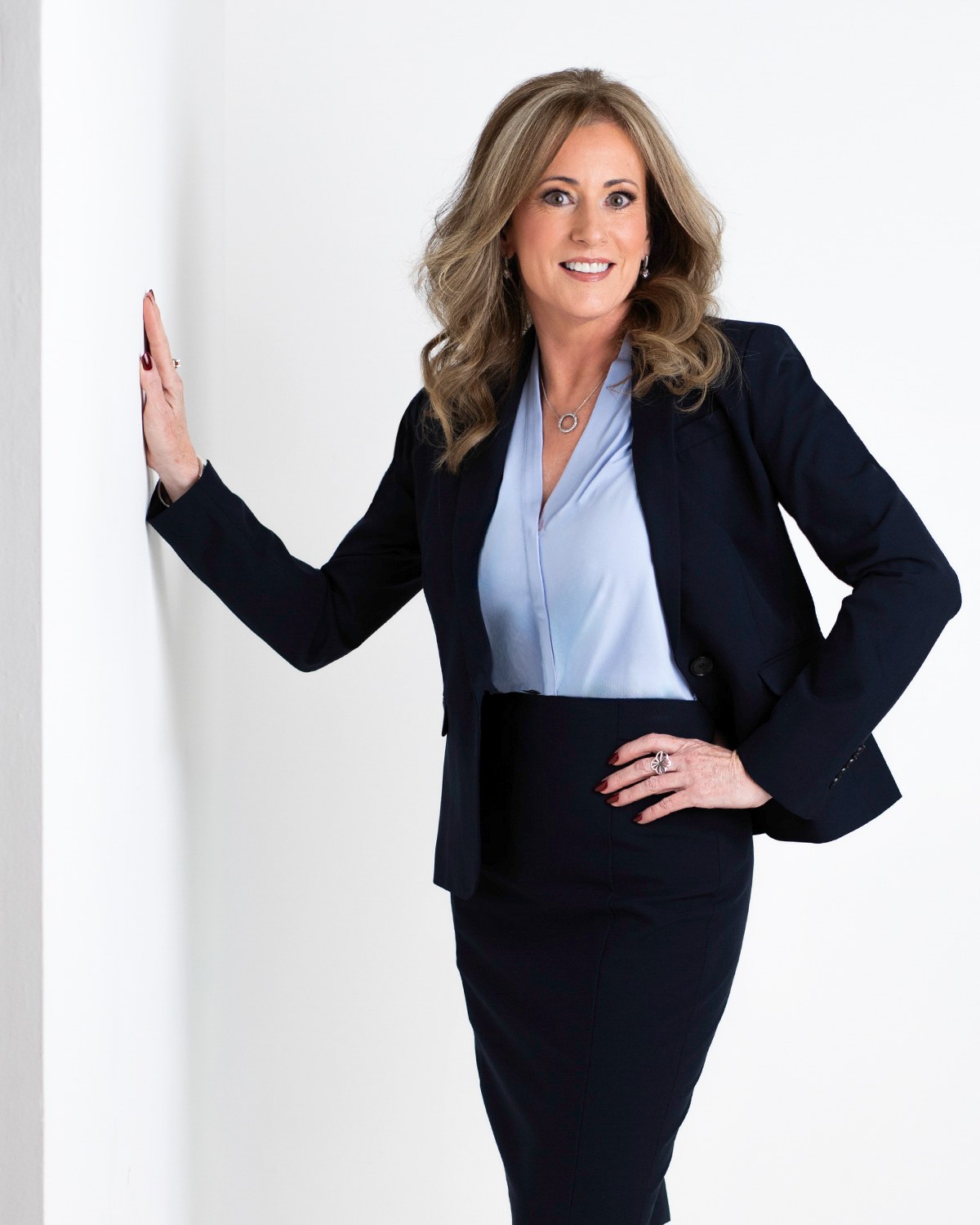
The annual report needs one. The gala program needs a different shape. A grant application wants something plain and small, and a supporter page wants you to look like the rest of the leadership row. I plan the whole set in advance and shoot it in one sitting at my studio here in Naples, so nothing is being scrambled the week a deadline lands.

A photograph of a nonprofit leader is read by several different people who will never compare notes. Somebody considering a first gift, who mostly wants to feel spoken to rather than handled. A program officer reading your application beside a budget, on a screen, at speed. Somebody being recruited to the board, wondering who they would be sitting beside. A volunteer deciding whether this is a place they want to give an afternoon to. One picture is doing the introducing in all four cases.
It cannot do that from a single crop. If one strong portrait is all you actually need, headshots for nonprofit leaders covers that sitting properly, and I would rather point you there. This page is about the set: the range of frames a year of reports, programs, applications and pages will ask for. If a brand sitting is a new idea, my guide to personal brand photography describes plainly what one is.
Nothing here is left for you to work out. Where the weight sits, what the shoulders do, where the eyes go: I call it out loud, adjusting between frames, which means the picture is my problem to solve rather than yours.
The looks are agreed before you arrive, and one sitting moves through several backdrops and wardrobe changes, so the formal frame for the report and the warmer one for a supporter letter still read as one person rather than two.
Delivered images are retouched by hand and arrive within the week in a private, password-protected gallery, sized for print as well as for a page, so a designer is not left hunting for a bigger file.
Worth saying plainly, because this sector gets sold a lot of confidence it did not order: a portrait does not make anybody's case. Your case is made by the work, the numbers and the people who vouch for you. What a good photograph does is smaller and still worth having. It stops being a distraction from the case you already made.
Think of it as a typo in an otherwise careful letter. Nobody turns you down over one, and everybody notices it. A picture that is current and properly made costs the reader nothing and then gets out of the way, which is exactly the amount of work you want your own face doing in a document about the mission.
The list barely changes from one organization to the next, which makes it easy to plan against. What changes is the shape each item wants, and a shape has to be there in the original frame.
With the list in hand, the sitting stops being a session and becomes a run of jobs. Which look comes first, which surface is waiting for which frame, and which pictures we have decided not to make at all. My guide to the brand shot list is where you draft yours, ideally before the wardrobe conversation happens at all.
Everything here is made in a studio, and the limit is worth being exact about. I do not photograph your programs, your events, your site or the people your organization serves. That is a different discipline with a different set of obligations attached to it, and pretending otherwise would be the wrong start.
It also would not help you. A portrait staged to imply a program moment reads as staged to anybody paying attention, and this is the sector where that costs most, because your whole argument rests on being straight with people. What works instead is a clean division of labor. The program photographs, made by whoever makes them, show the work. Your portrait shows the person accountable for it. Side by side on a page, the two do different jobs and neither is pretending.
What a portrait can honestly show is you, thinking. Seated and mid-sentence. Attentive rather than talking, which is the harder frame to make and the one people believe. Standing with enough air around you that a designer can set a headline beside your shoulder. All of it comes from direction rather than from a set, and my guide to guided posing explains cue by cue how that works.
All of it happens in a single room off Pine Ridge Road in North Naples: air-conditioned, private, several backdrops, and a corner to change in between them. Nobody is watching and nothing is rushed. People drive in from Bonita Springs in about twenty minutes, and from Estero, Fort Myers, Marco Island and across Southwest Florida, and the trip is worth planning around because the whole year's worth of frames gets made in the one visit.
The wider category lives on my personal brand sessions page. The method underneath is the same whatever the work is: restaurant owners plan a set around the face behind the room, and salon owners plan one that has to hold up beside the work they post. The list comes first, and everything else about the sitting answers to it.
Whichever document is closest on the calendar, the report, the program or the application, that is where we start. Tell me what it asks of a picture of you, and the rest of the set follows from it. There is no price list to quote from, because the plan decides it, so it begins with a call to (239) 319-6171 or a note through the form.
Book a Session Call (239) 319-6171Tell me a little about what you have in mind and I will be in touch personally. Pricing is personal, so the best way to plan is a quick call.
Share a few details and Annie will be in touch personally.