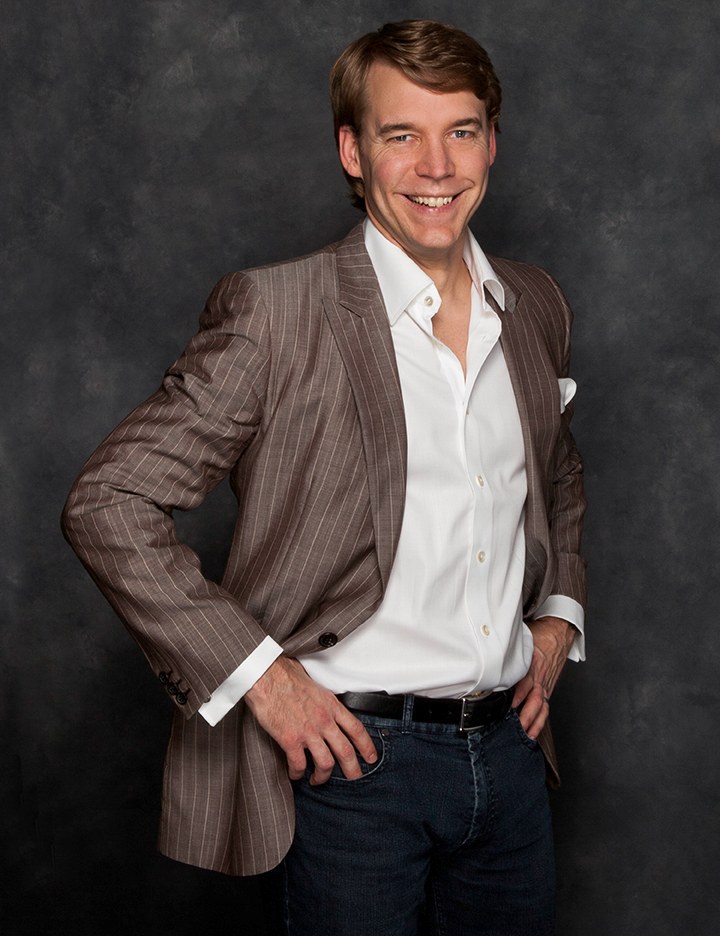
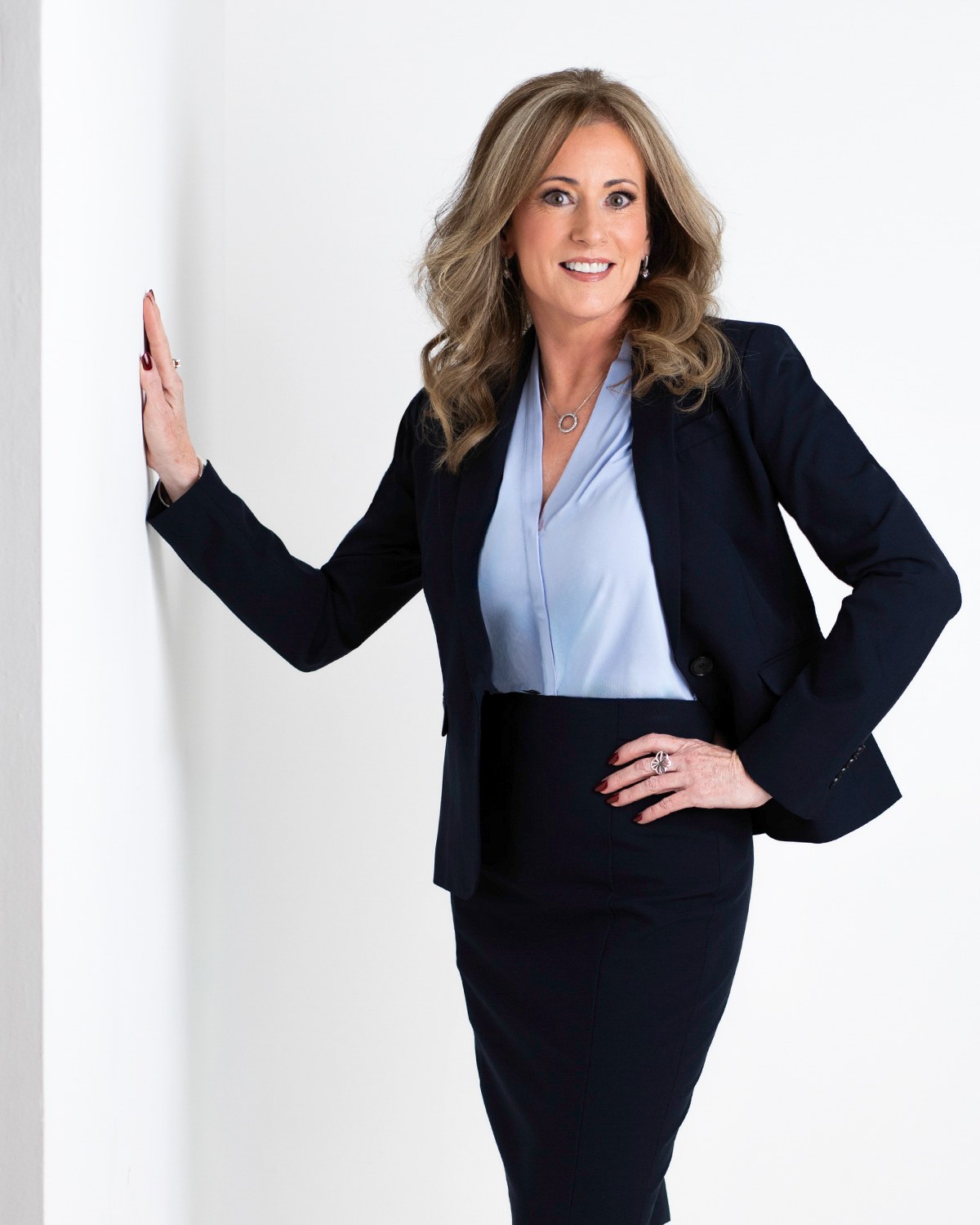
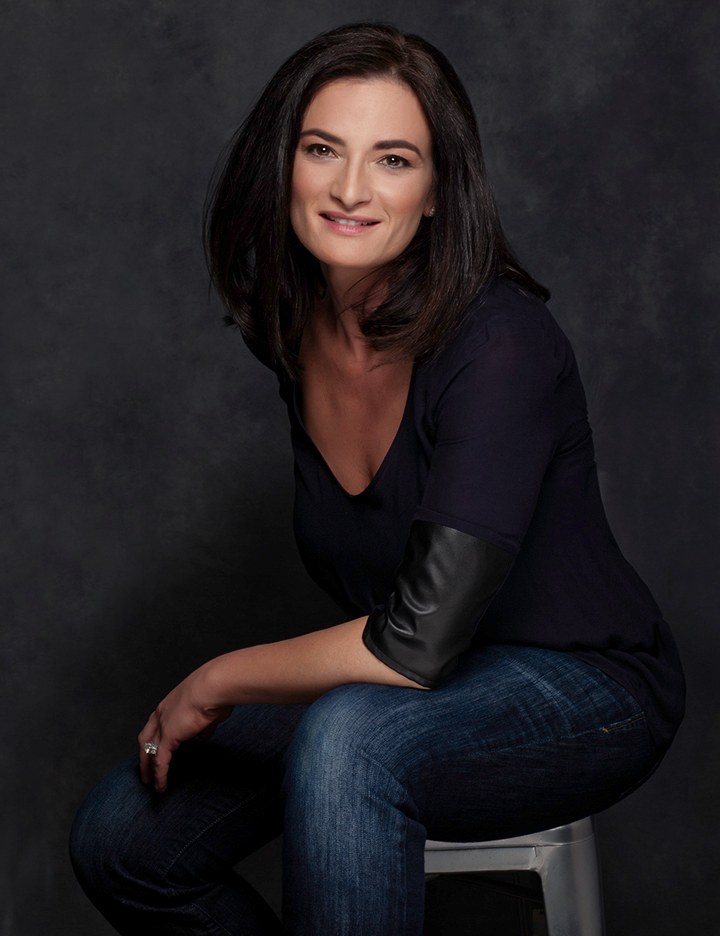
You post finished work every week and it looks immaculate. Then the picture of you goes up beside it and something drops. I plan a set of portraits that can hold its own next to the work on your grid, shot across a single sitting in my Naples studio, with the color handled so nothing you do behind the chair gets lost.

Look at your own feed the way a stranger does, scrolling fast. Color, finished cuts, before and after, a beautiful blowout under the light you chose on purpose. Then the picture of you, taken in the salon between clients on somebody's phone, at whatever angle the person holding it happened to be standing. It is not that the photograph is bad. It is that it is the only image on the grid nobody planned, and it is the one carrying the introduction.
That single frame also cannot cover everything you need it to. A profile circle, a booking page, a post that says who you are, a printed card at the desk, a piece somebody local wants to run. If one polished portrait is genuinely all you are after, headshots for salon owners is the honest page. What follows is about the set instead. If a brand sitting has never been explained to you properly, my guide to personal brand photography does that, with nothing being sold in it.
You are the one who normally says stand here, turn your chin, look at me. For one visit somebody else does it. I call the angle, the weight, the hands and the expression a step at a time, so being the subject asks nothing of you but showing up.
The frame that introduces you, the one on your booking page and the one you post in six months should not be the same picture. We choose the looks first, and one sitting holds several backdrops and the wardrobe changes the list needs.
Everything delivered is retouched by hand and arrives within the week in a private, password-protected gallery, formatted for the places you post, so using one is not a recropping job every time.
Beauty is a visual trade, and a stranger judges your standards from every image with your name on it, including the ones that are not of hair. That is the quiet cost of an unplanned portrait sitting next to a row of immaculate finished work: it does not read as modest, it reads as inconsistent. Your own picture is the only one on the feed that has to introduce the person, and it is usually the only one made without a plan.
Fixing that is not about looking different. It is about the picture getting the same care the work gets: light chosen on purpose, color that holds, a background that does not shout, a crop made for the place it is going. When your portrait matches the standard of the rest of the grid, the grid finally reads as one business with one taste running through it.
Write the surfaces down first. Each one wants a different shape, and shapes have to be made at the camera rather than rescued afterwards.
That list is what turns a sitting into an order of work instead of a mood board. Yours can be drafted on the back of an appointment card: the brand shot list guide shows what goes in the rows.
This matters more for you than for almost any other kind of work, because color is the thing you sell. A photograph that shifts warm turns an ash blonde brassy. A photograph that shifts cool drains a rich copper to something flat. Mixed light does both at once, which is what happens when a phone sees a window on one side of you and the salon's own lighting on the other, and no amount of editing afterwards untangles it cleanly.
In a studio the light is one color and it is the color I choose, so skin stays skin and hair stays whatever you actually did. That is also why heavy processing works against you. A filter that crushes the contrast or floods the whole frame with one tone flattens the exact separation that lets someone see the tones running through a color. Hand retouching keeps the skin honest and leaves the color alone. Screens and paper will still disagree, which is normal and worth understanding. The reasons are in my guide to screen and print color.
The frustrating thing about photographs in a trend-led trade is that the ones which look most current are the first to look dated. A pose borrowed from whatever is everywhere this season, a heavy color grade, a background tied to one particular look: all of it reads as a timestamp within a year, and then the picture quietly starts working against you.
So the set gets a spine and an edge. The spine is plain in the good sense: clean light, simple background, wardrobe that is genuinely yours, a posture that is not doing anything clever. Those frames stay usable while your work evolves underneath them. The edge is one or two looks that lean into where you are now, shot in the same visit, used hard while they are current and retired without regret. When your own style shifts, we rebuild the edge and keep the spine.
Sittings happen in my private studio in North Naples, off Pine Ridge Road: one quiet air-conditioned room, several backdrops, and space set aside for changing between looks. Salon owners drive over from Bonita Springs in about twenty minutes, and from Estero, Fort Myers, Marco Island and across Southwest Florida. My personal brand sessions page is the general version of all this. Underneath, the working method is identical whatever the trade: small business owners plan a set around a map listing and a printed piece, therapists plan one around a directory square.
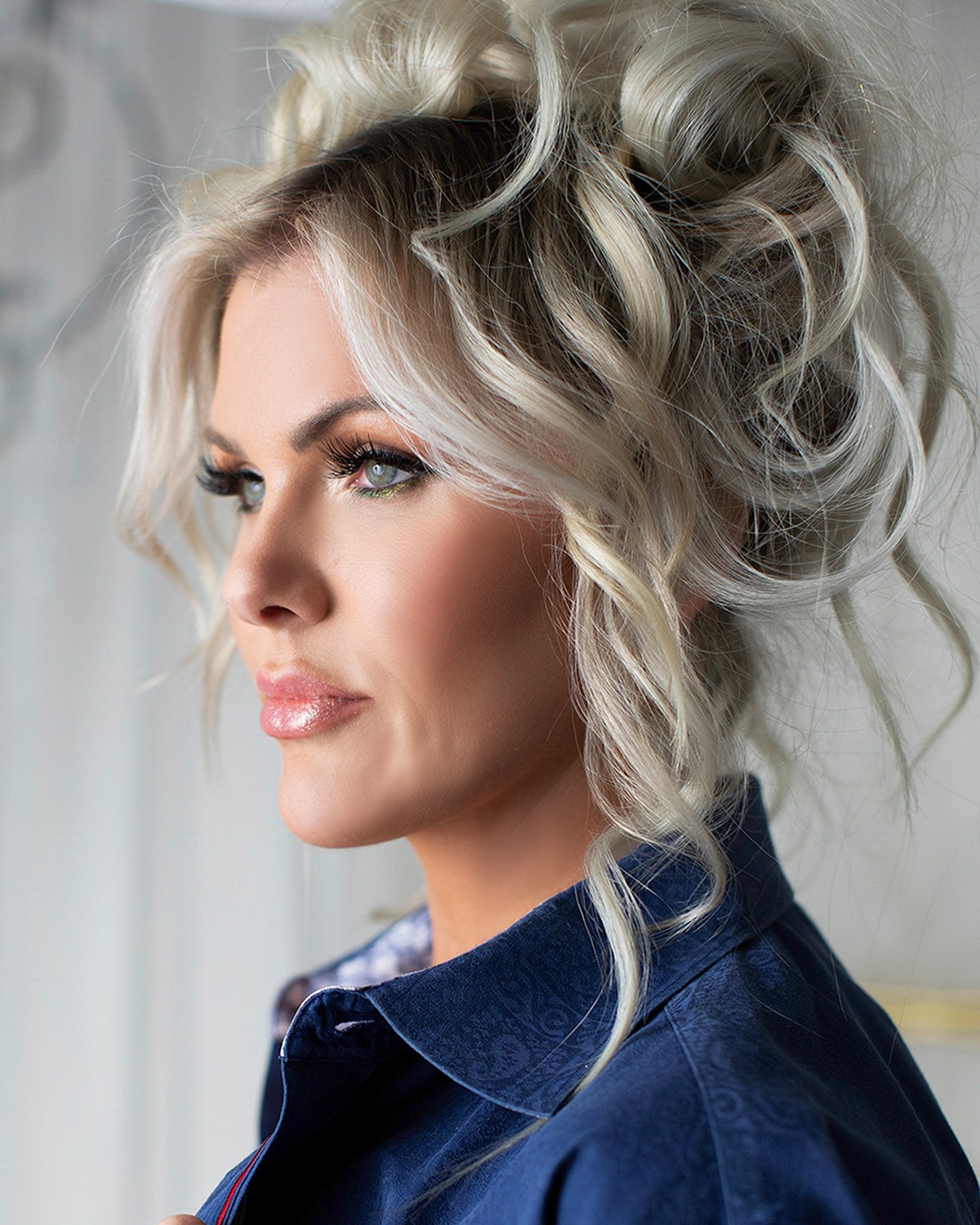
Find the last picture of you that went up beside your work, and tell me what you would change about it. That answer sets the looks, the color and how many frames the set needs. Every set is priced from its own plan, so the way in is a call to (239) 319-6171 or a note through the form.
Book a Session Call (239) 319-6171Tell me a little about what you have in mind and I will be in touch personally. Pricing is personal, so the best way to plan is a quick call.
Share a few details and Annie will be in touch personally.