Your restaurant has a photo library and you are barely in it. The dishes are covered. The room is covered. You are the frame somebody grabbed on a phone at the pass, and that is what goes out when a writer asks for the owner. The other half of that library gets made in my private Naples studio, directed cue by cue.

Think about how a restaurant's pictures accumulate. Somebody shot the dining room before you opened. Somebody keeps shooting the specials, because the specials change. And the only image of the owner is the one a server took on a phone under a heat lamp, sideways, in the middle of service. It sits there unbothered until a writer calls about the new menu, asks for a photo of you, and that is the file that goes out, because it is the file that exists.
That request is never the only one. The About page wants you in it. A hiring post does more work with a face on it. The anniversary, the second concept, the collaboration with a local farm, the newsletter you finally started: every one of them lands better with a person in it, and every one of them wants a slightly different frame. If a single portrait is honestly all you are after, headshots for restaurant owners is the page for that. This one is about the set.
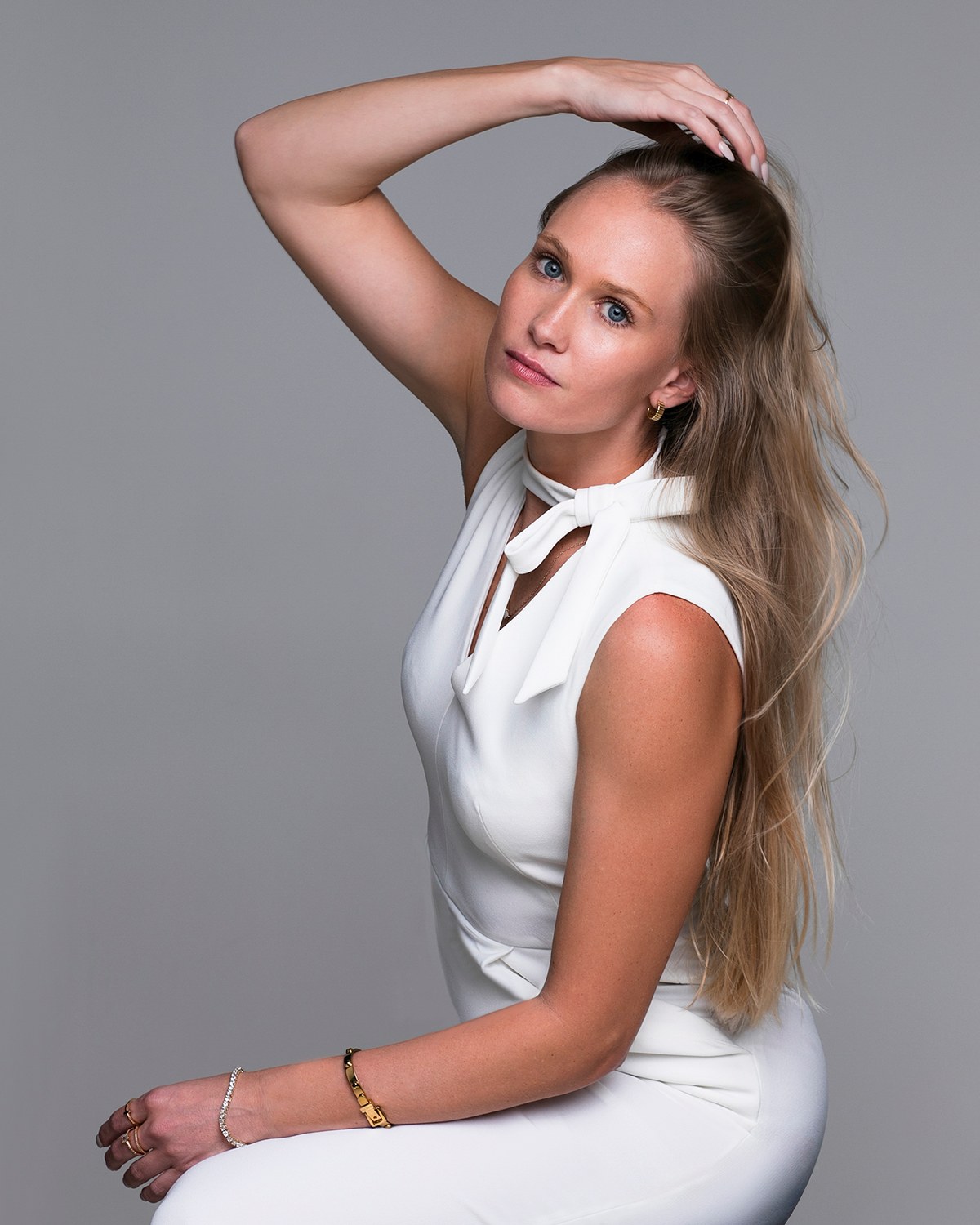
The angle, the shoulders, the hands and the expression are all called out loud while we work. Running a room is a job done outside the frame, so nothing about being inside one is yours to figure out.
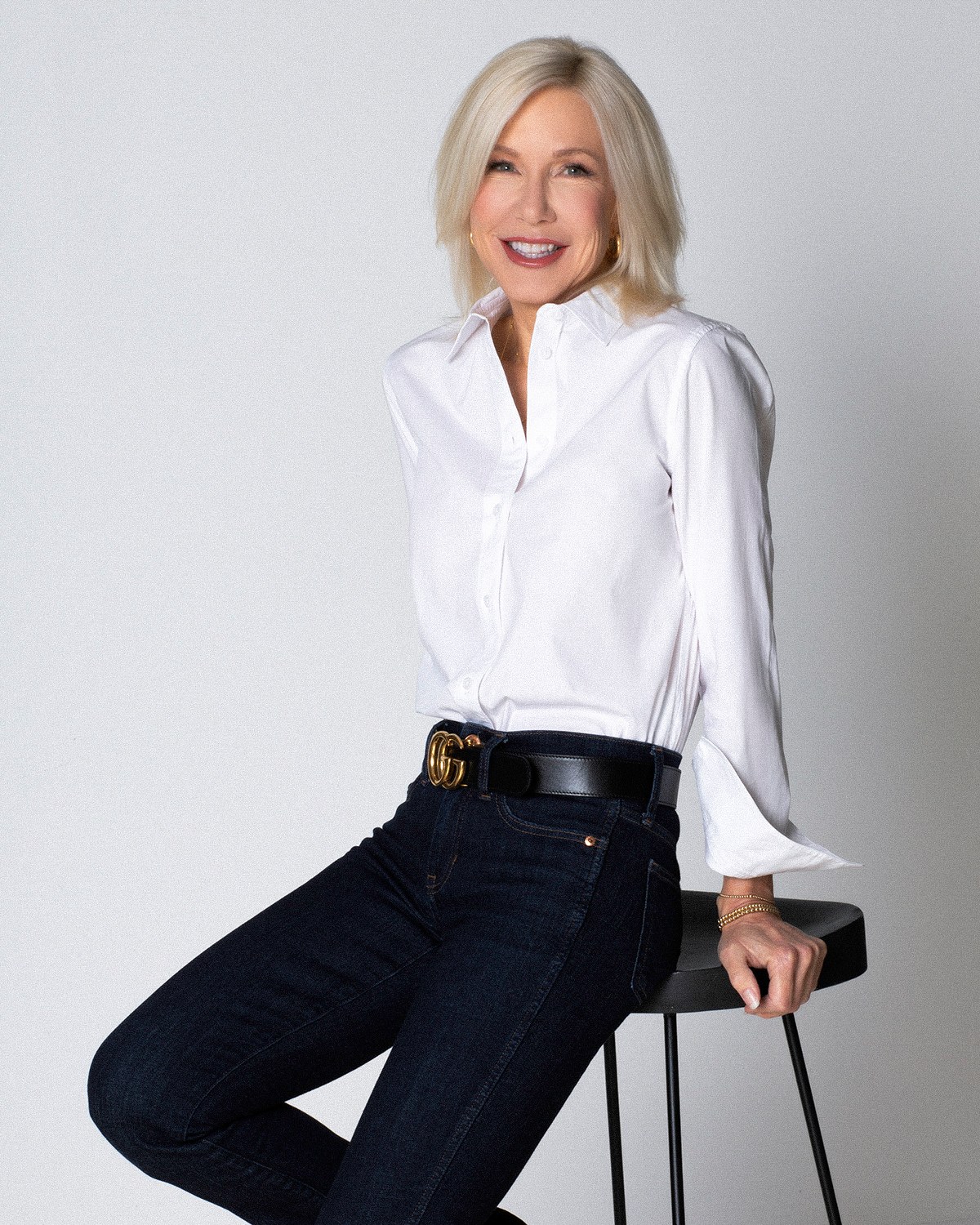
Whites or an apron, the collared shirt for when a vendor is at the table, and the version of you that is not working. All three get decided with you ahead of time, and one sitting moves between several backdrops as the shirt changes.
Retouching is done by hand, and the finished set waits in a private, password protected gallery within the week: cropped for your site, for the square social wants, and at the print resolution a writer will ask for on deadline.
Food photography sells a dish, and it should. What it cannot do is tell a stranger who is behind the pass. Hospitality gets chosen on instinct: somebody holding a phone is deciding whether this is a room where a person is paying attention, and your face is the only thing in the entire library that speaks to that question.
It is also the only part that cannot be solved by shooting it again. Plates get rephotographed when the menu turns over. The room gets rephotographed when you redo the seating. You are the constant, and the constant is running on the worst image you own. My guide to personal brand photography covers the general shape of a sitting like this; the rest of this page is the restaurant version of it.
Start at the other end. Not with what you will wear, but with where the picture has to land, because each of these destinations has a shape, and the shape decides how wide I frame you and how much room sits beside your head.
Anyone covering a new chef, a new concept or an anniversary will ask for a photo of the owner at print resolution, and they will want it quickly. A frame with room around you survives whatever layout it lands in, and having one ready to send means you are not hunting for something usable on somebody else's deadline.
A hiring post with a face on it reads differently from one without. Cooks and servers are choosing an owner as much as a job, and a picture of the person they would be working for answers a question the listing never gets to. It is a small thing, and it is one of the few parts of a listing that is actually yours.
A new menu, a second location, a chef partnership, an anniversary worth marking. Announcements read as more personal with you in them, and they fall flat when the only usable photo is visibly old or visibly from a phone. A set gives each announcement its own frame instead of recycling the one everybody has already seen.
Those three are enough to plan from, and they are worth writing down before you call: they decide how many looks are worth doing and which frames have to stay plain behind you. My guide to building a shot list takes it row by row.
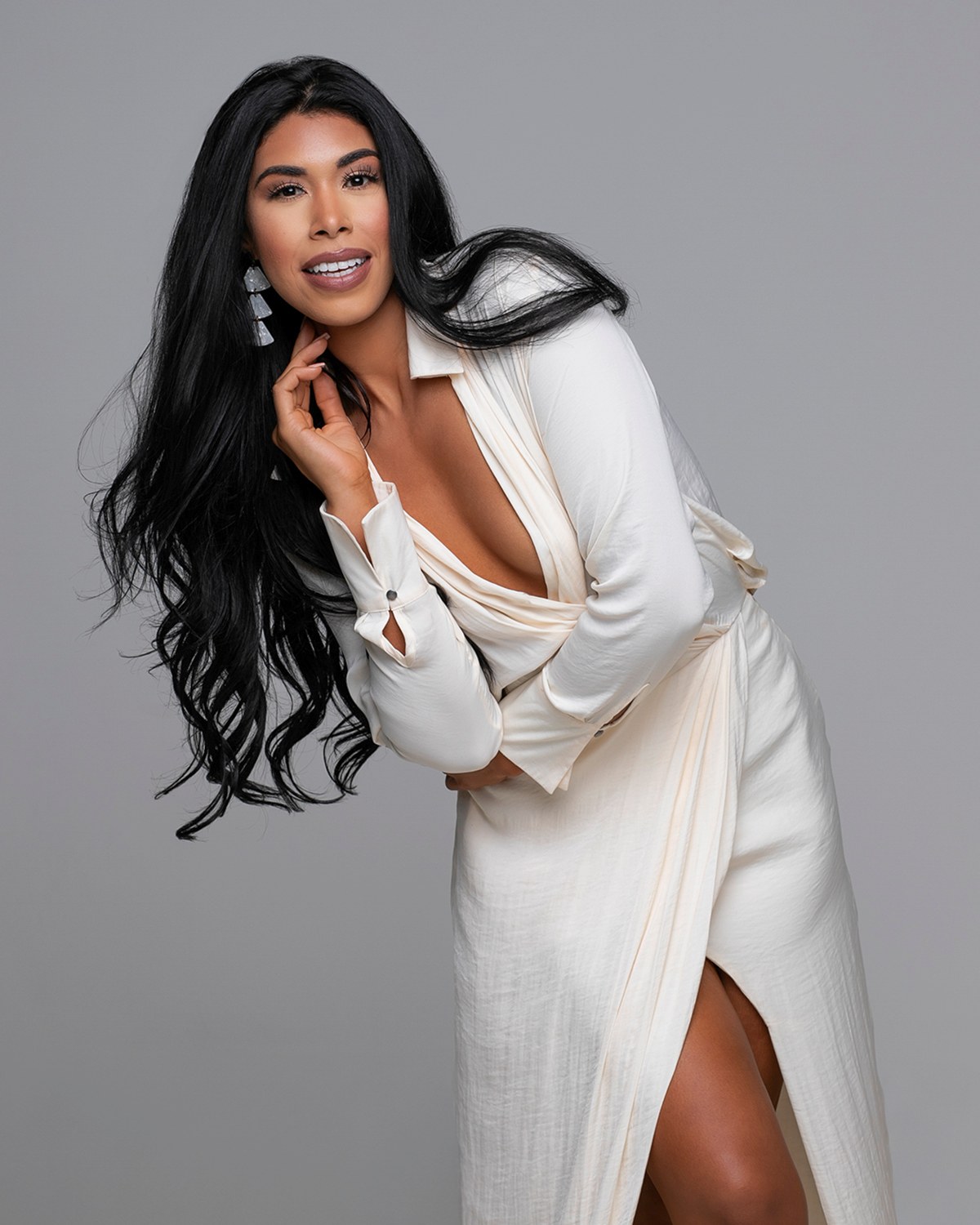
Three registers cover nearly everything a restaurant asks of its owner. The working look, whites or an apron, for the kitchen story and the piece a writer runs. The collared version, for a landlord, a vendor, an investor or a bank. And the off duty one, softer and warmer, for the posts where you want to read as a neighbor who happens to own the place rather than a proprietor in uniform.
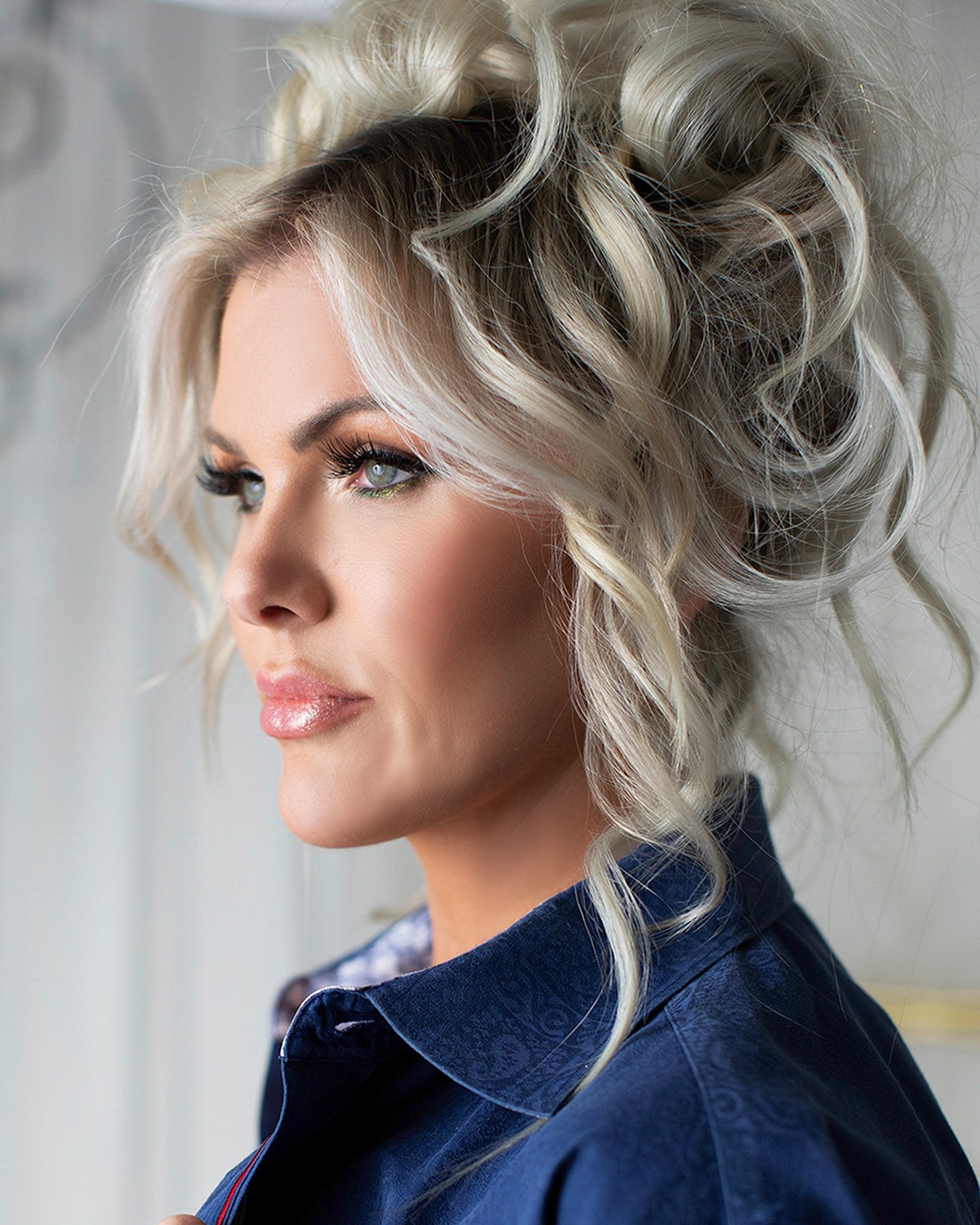
We plan those in advance, which is the entire reason one visit produces range instead of one shirt against two backdrops. Bring what you actually wear. A jacket that has never been on the floor photographs like a costume and a guest can tell. If you would rather not think about the rest of it, I work with several professional stylists who can be arranged for hair and makeup before the shoot, for an added fee.
Plates go to a food photographer and the dining room goes to somebody who shoots interiors. Neither of them makes the picture of you, and that is the one a stranger reads when they are working out whether anybody in there is paying attention. So that is the piece I make, and it gets made in a studio rather than in the middle of service: a private room in North Naples, off Pine Ridge Road, several backdrops, somewhere to change between looks, nobody else in it while we work.
Clients drive to the studio from Bonita Springs, Estero, Fort Myers and Marco Island. The argument is not restaurant specific either: salon owners build a library for exactly the same reason, and the wider case for anyone whose face is the business sits on the small business owners page. If you would rather start at the top of it all, everything begins with my personal brand sessions.
Have something ready that is not the frame from the pass. Tell me what the restaurant has coming, the menu change, the anniversary, the hiring push, and the looks get planned around those. What it costs depends on how much of that the plan has to cover, so it starts on the phone: (239) 319-6171, or the form, which comes straight to me.
Book a Session Call (239) 319-6171Tell me a little about what you have in mind and I will be in touch personally. Pricing is personal, so the best way to plan is a quick call.
Share a few details and Annie will be in touch personally.