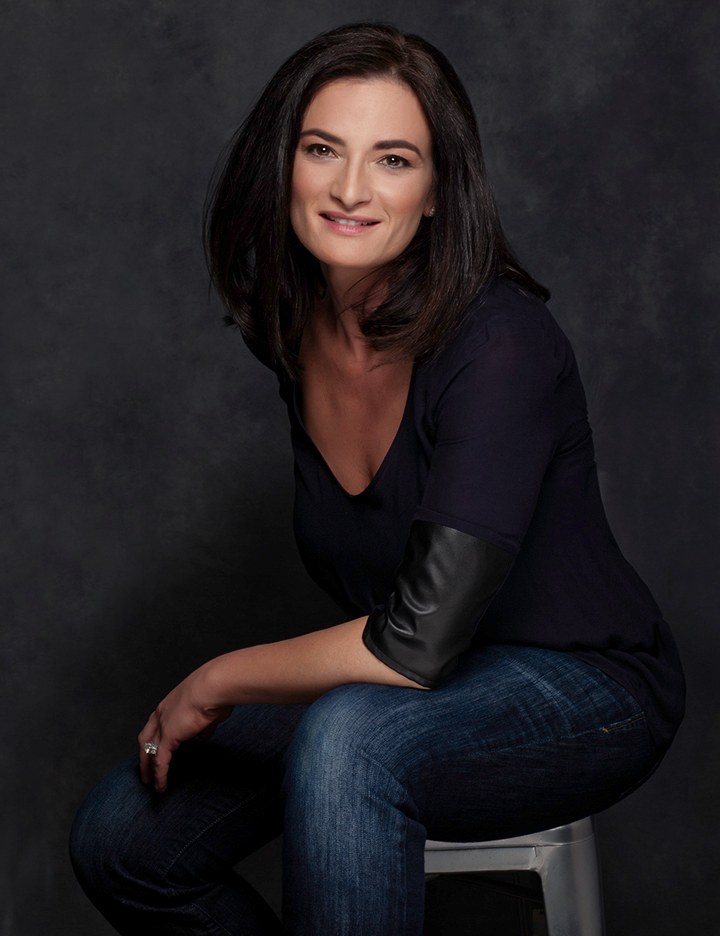
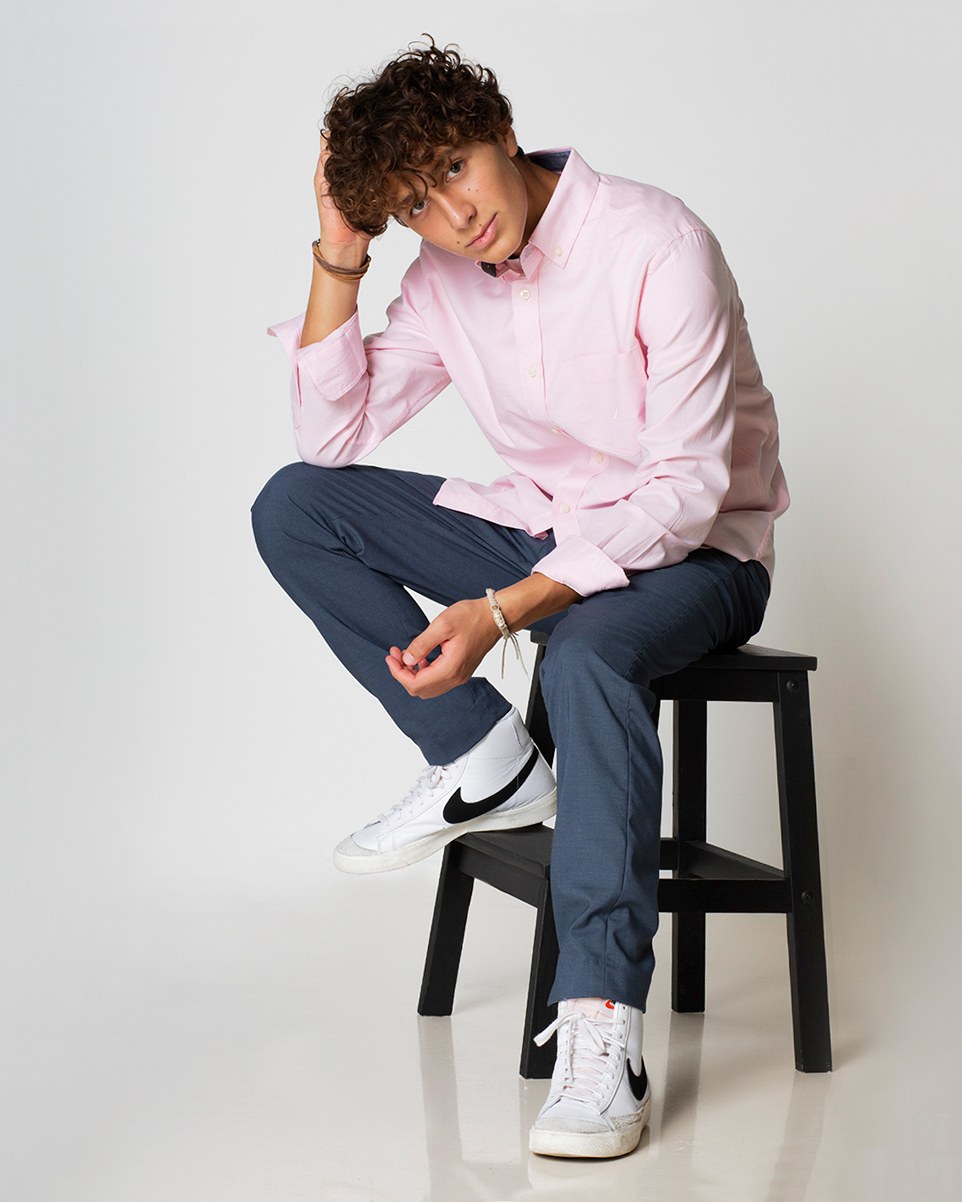
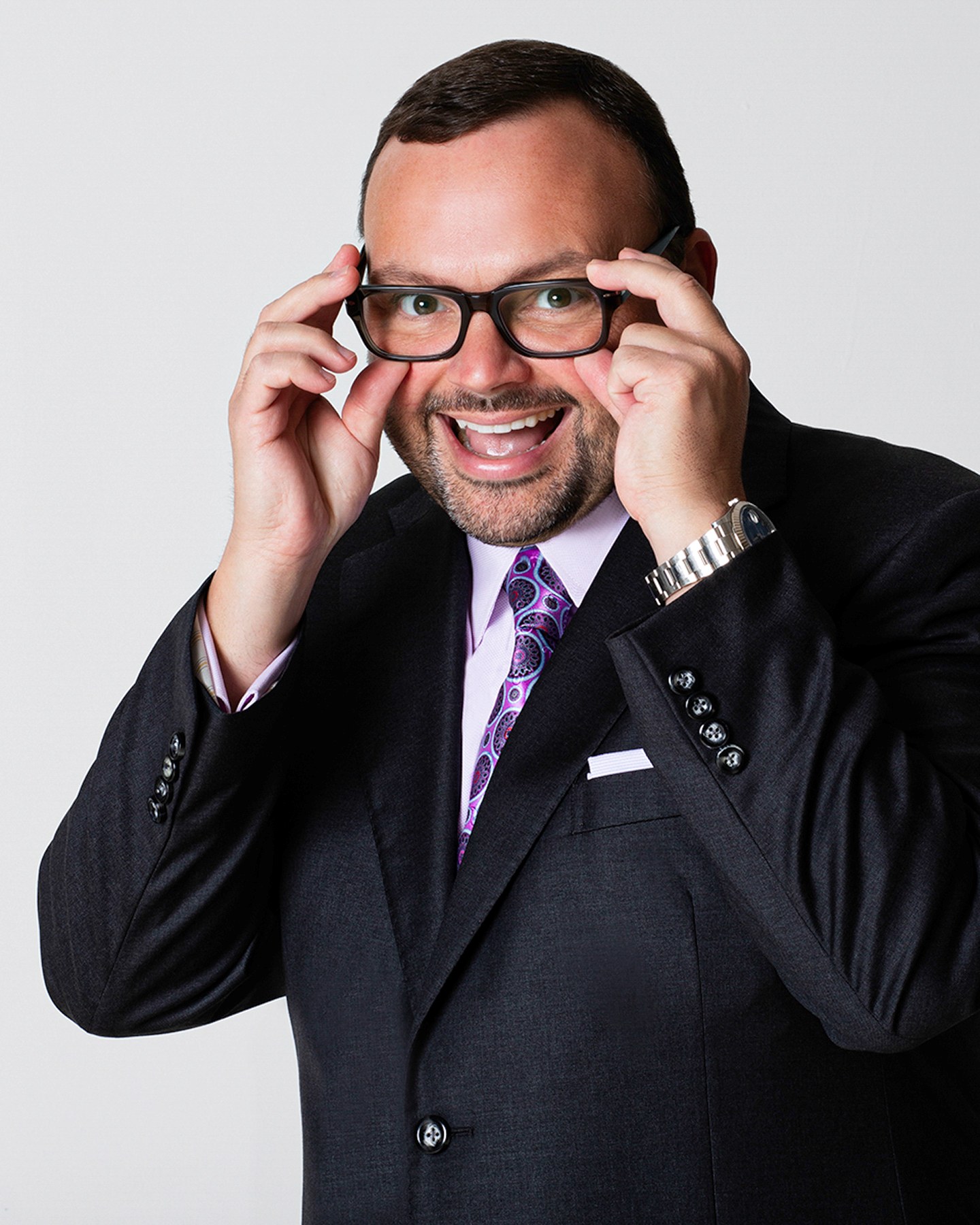
Your firm bio holds one photograph. A panel program wants a square. An alumni note wants something horizontal with quiet space beside it for a headline. A directory wants a face that looks like this year. The set I plan answers all of those places at once, and every frame of it is made in one sitting at my private Naples studio.

Think back over the last stretch of requests. The practice page was rebuilt and marketing needed an image. You spoke at a section meeting and the organizer wanted something at print resolution, quickly. Somebody assembled a program and asked for a square. An editor wanted a wide frame with room beside you for a title. Each request is small. Each one arrives with a deadline attached. And each one gets answered by cropping the same portrait a little tighter, until the crop stops working.
That is a set problem, and cropping is not the fix. If one strong portrait is genuinely all you need, headshots for attorneys covers that sitting, and that is the honest place to send you. This page is about the library instead: a planned range of frames, made in one visit, that answers a request without a scramble. If nobody has ever explained what a brand sitting actually is, my guide to personal brand photography sets out plainly what one is.
Arguing in front of a room is a different skill from being photographed by someone. I call the shoulders, the chin, the hands and the weight one cue at a time, so nothing here depends on you already knowing what to do in front of a lens.
Wardrobe is agreed in advance with me, never decided in the doorway. One sitting then works across several backdrops while the clothes change, so the firm page frame and the speaking bio frame end up looking like one person.
Delivered images are retouched by hand and arrive within the week in a private, password-protected gallery, cropped for the profile, the program and print, so the next request gets answered out of a folder you already own.
The reason a single photograph stops working is not that it is a bad photograph. It is that the places asking for it want different shapes, and a crop cannot invent space the camera never recorded. Widening is impossible. Everything after the shutter is subtraction, so the frames have to be made wide, tall, square and quiet on the day.
None of that is exotic. It is a list, and the only real difference between a set and a pile of photographs is that the list existed before the sitting rather than after it. When frames are planned against those places, answering a request stops being a small project and becomes a link you send. That list is a small craft of its own, and my guide to the brand shot list shows you how to draw one up.
Here is the constraint that makes an attorney's set different from almost anyone else's. Your photograph rarely stands alone. It sits in a row with the people you practice alongside, and those pictures were made by another photographer, in another room, possibly a long way apart in time. If yours arrives brighter, tighter, warmer or looser than the rest, it does not read as better. It reads as imported.
So bring the page. Send me a link to it, or a screenshot, before we plan anything at all. I look at four things: how much background is showing behind each person, where the crop lands on the body, how high the eye line sits in the frame, and whether the light is soft and even or shaped and contrasty. Those four choices are most of what makes a row of portraits look like one considered set rather than an assortment.
Matching is only half the job, because the firm page is not the only place you appear. What you carry away should also work where a template has no authority: your own profile, a speaking bio, an association page, the byline on something you wrote. That usually means a second look, lit a little more openly and cropped with more air in it, made in the same sitting so the two still read as one person rather than two separate visits. Two registers, one visit, no argument between them.
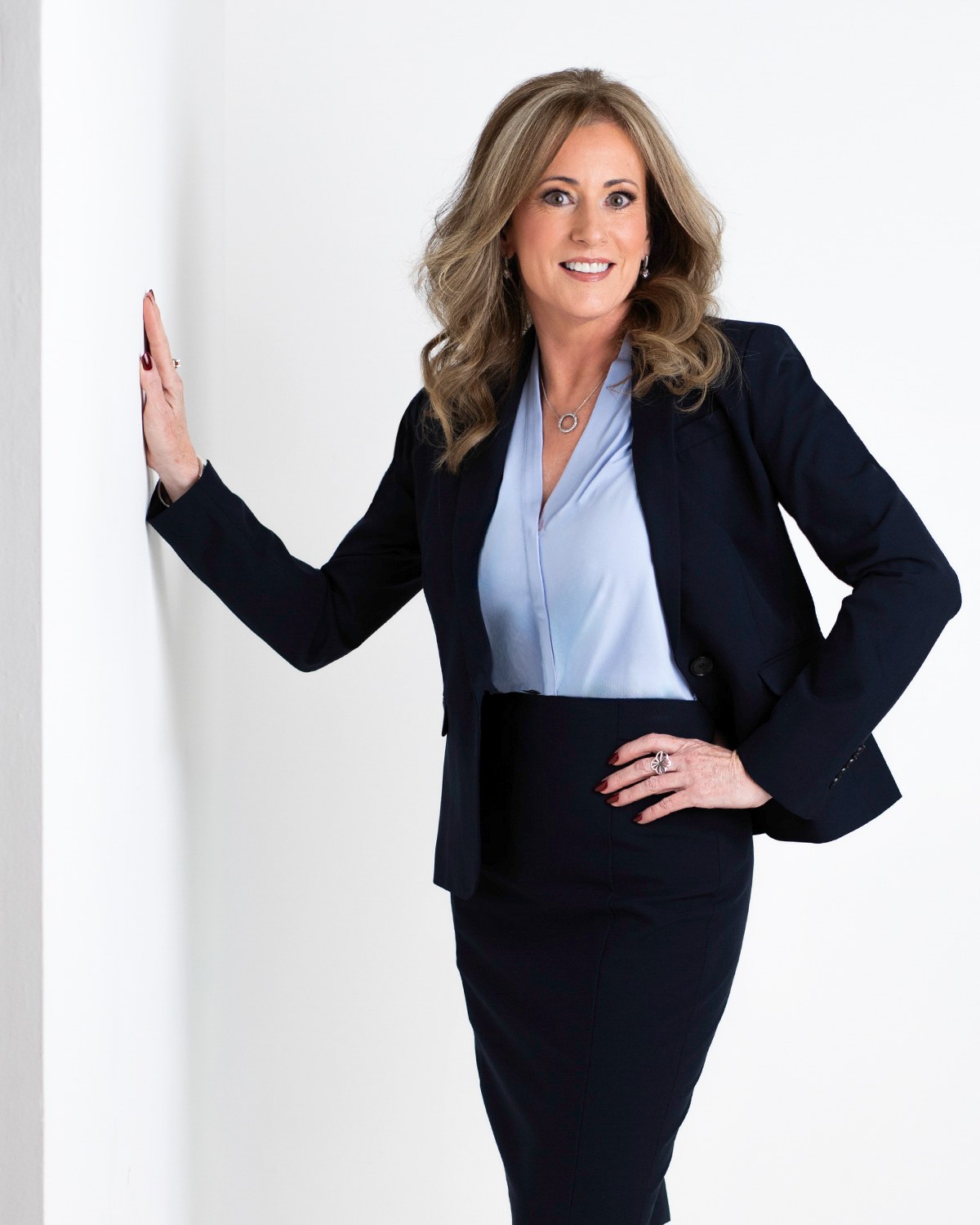
Every sitting happens in my studio, and I say that plainly because implication is expensive in your line of work. A portrait staged to suggest a courtroom, a conference room or a client meeting is a small piece of theater, and a reader who catches the staging quietly starts wondering what else on the page was arranged. A clean background makes no claim at all, which is why it ages well and why it drops into a layout without a fight.
What the studio does cover, honestly, is the working frame. Seated and mid-sentence, with your hands moving the way they move when you explain something difficult. Listening, which is harder to photograph and far more persuasive than talking. Standing with your arms folded in the considering way rather than the defending way. Those frames suggest what you are like to sit across from, and they are built with a chair, a controlled light and steady direction rather than a borrowed room. How the direction works, cue by cue, is in my guide to guided posing.
The studio is a private room in North Naples, just off Pine Ridge Road. It is quiet, nobody else is in the room, and we work through the plan we made together. Attorneys drive in from Bonita Springs, about twenty minutes up the road, and from Estero, Fort Myers, Marco Island and across Southwest Florida. The drive is worth planning around precisely because everything the year will ask you for gets made in that one visit.
If you want the wider category first, my personal brand sessions page holds the general shape of it. The shape of a set changes with the work: contractors plan around the estimate and the profile a homeowner checks before calling, and musicians plan around a press kit. The method underneath is identical. Name the surfaces that keep asking, and the looks fall out of them.
Start with the row of photographs your own will sit beside. Send me that page, tell me what else is going to be asked of you this year, and we plan the looks backwards from both. What it costs depends on how many looks and how much retouching the plan calls for, so this begins with a call to (239) 319-6171 or a note through the form.
Book a Session Call (239) 319-6171Tell me a little about what you have in mind and I will be in touch personally. Pricing is personal, so the best way to plan is a quick call.
Share a few details and Annie will be in touch personally.