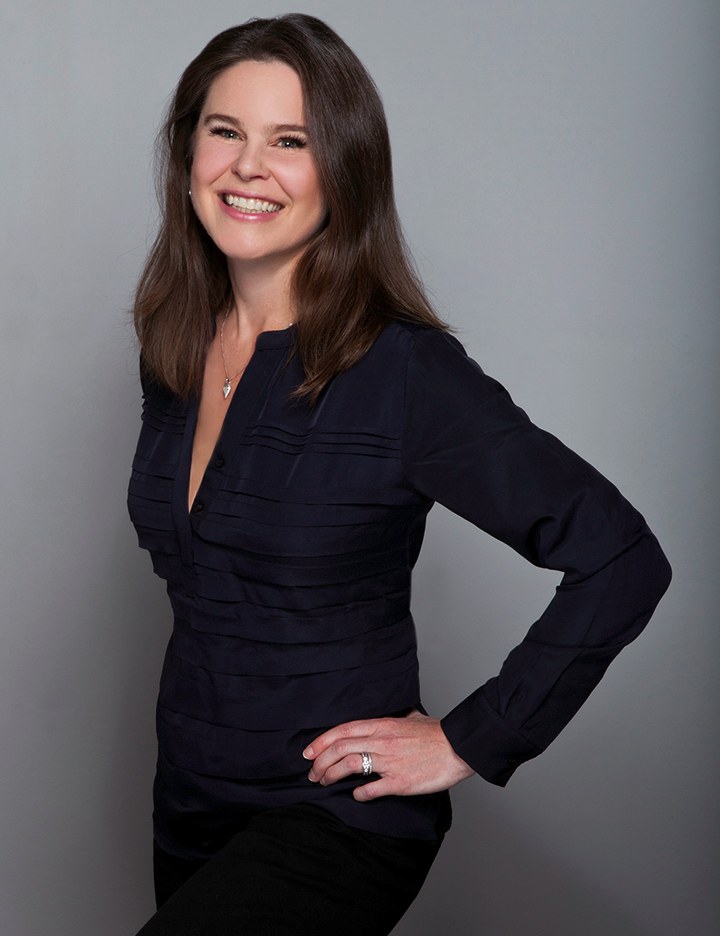
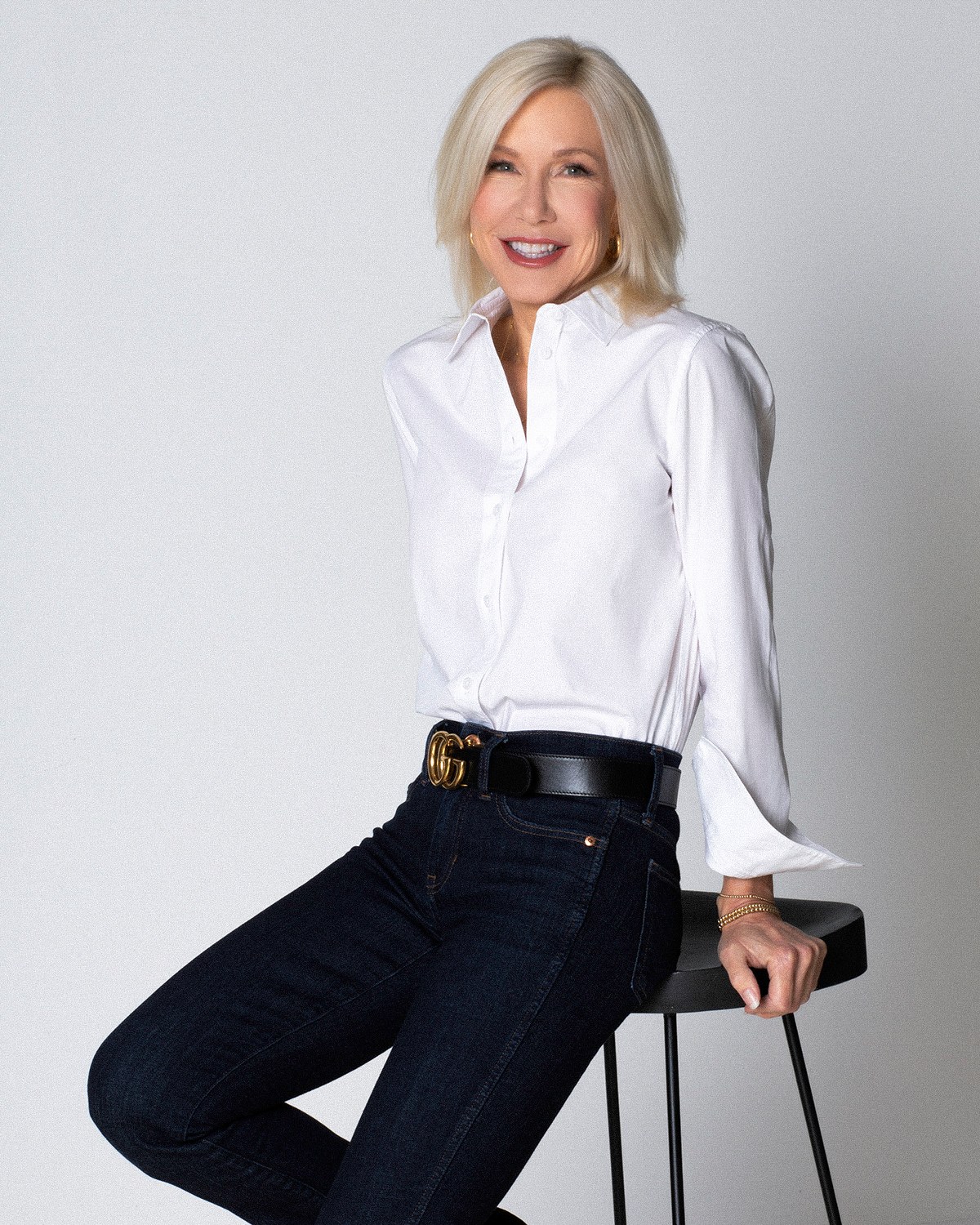
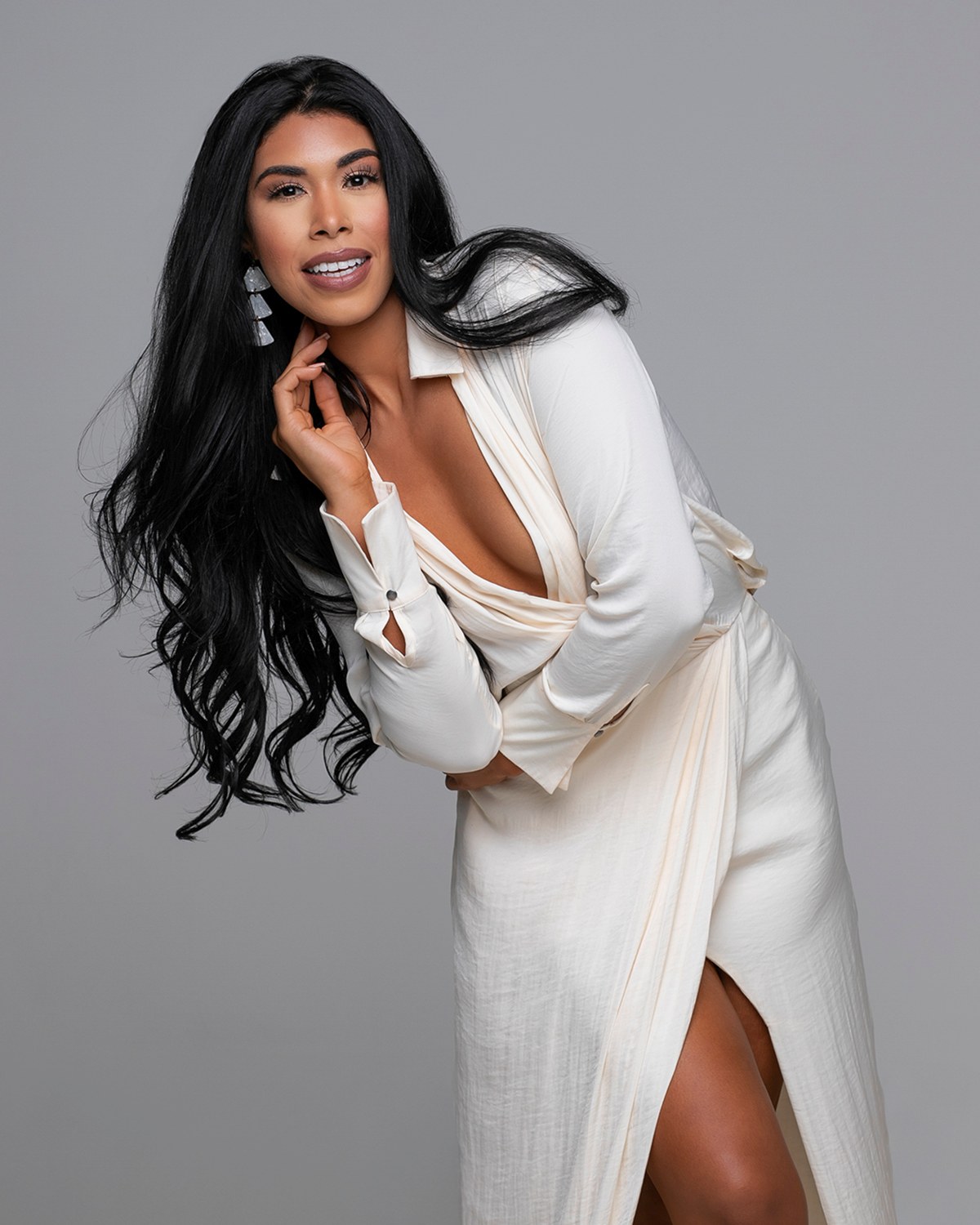
Bookers, curators and writers meet your picture before they hear a note, and each of them needs a different shape of it: a wide one for a poster, a square for a profile, something clean and sharp at print size for a piece. I make that set in my private Naples studio, planned in advance and directed the whole way through.

The photo problem in music is rarely that you have none. It is that the ones you have came out of shows: whatever light the room happened to have, the shirt you wore that night, a background of cables and a monitor wedge. A show photograph is a good thing to own and a poor thing to build a year of promotion on. It is dark, it is cropped tight, and it looks like that night rather than like the record you are about to put out.
A studio set answers a different question. It is made deliberately, in light you control, in clothes you chose, and it can be built in the exact crops and sizes the profiles and the printers want. If the single portrait is all you need, headshots for musicians is that page. This one is about the set: how the tone gets built with no stage under you, how many looks are worth planning, and how the whole thing stays useful for a full release cycle instead of a couple of posts.
Being good in front of an audience is a different skill from being good in front of a lens, and nobody expects you to have both. I call the angle, the hands and the expression, then keep adjusting until the frame reads like the music instead of like posing.
A moody set and a bright, open one should not need two separate visits. They do not: the looks are planned with you beforehand, and a single sitting runs both, several backdrops deep, with the wardrobe swapping between them.
Retouched by hand and waiting in a private, password protected gallery within the week, formatted for the places you post and print, and sharp enough for anyone who asks you for a high resolution file on short notice.
The reason one picture never covers it is geometric. Your photo is asked to be a small square, a tall rectangle, a wide banner and a page sized print, often all in the same stretch of days, and a frame built for one of those gets destroyed by the others.
So I shoot for the crop that is coming rather than shooting one picture and hoping it survives. That is the whole practical difference between a set and a photo. If you want to write the list out before we speak, my guide to building a shot list gives you the rows, and my guide to personal brand photography makes the broader case for a library rather than a single portrait.
The reasonable worry is that a studio flattens the thing that makes your music yours. It does not have to, but it does mean the tone gets built on purpose instead of borrowed from a venue. Three things carry it: light, wardrobe and expression.
Light does most of the work. Hard light with a deep shadow down one side reads tense and cinematic. Soft, even light reads open and warm. A dark background with a rim of light along one shoulder gives you the brooding frame, and a plain bright one gives you the approachable frame, and those two look nothing alike even with the same person in the same shirt. Deciding which one the project needs is a short conversation, and it changes everything about how the sitting is lit.
Wardrobe carries the next part. The jacket, the hat, the boots, the piece you always wear: those are not props, they are the vocabulary of the act, and something familiar in your hands also solves the hand problem before it starts. Bring the instrument if it belongs in your picture. Expression is my job. Trying to look like an artist is exactly what makes people look like nobody, so I direct small physical things, the chin, the weight, where the eyes go, and the face follows on its own.
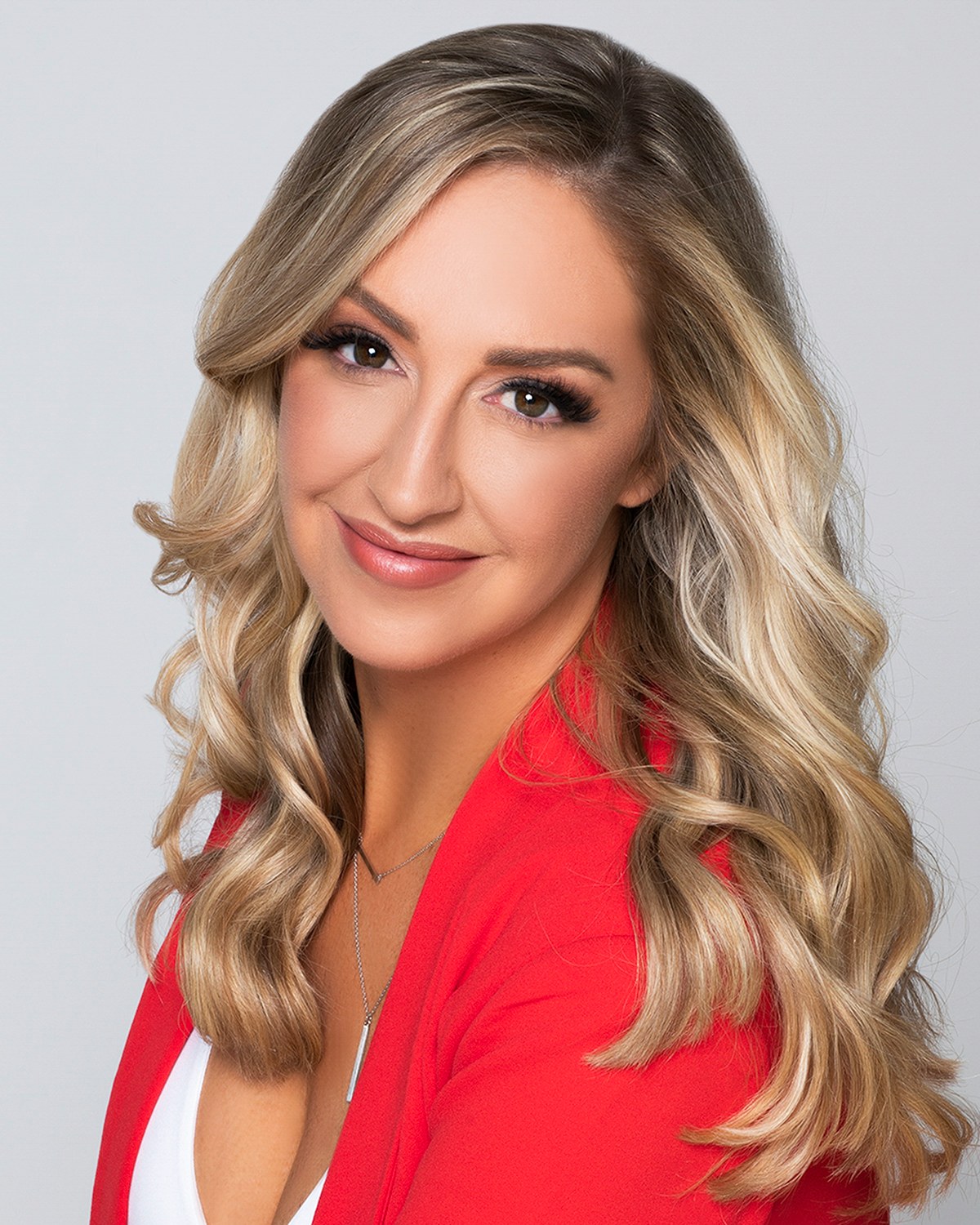
Promotion runs in cycles. There is the announcement, the first single, the release itself, the run of dates that follows, the thank you at the end of it. Every step wants an image, and running the same one at every step makes a campaign look like it stalled halfway through.
A planned set gives each step a different frame that still obviously belongs to the same project. That is what continuity means in practice: the same light, the same wardrobe family, the same person visibly in the same chapter. When the sound changes, or the hair does, that is the moment to shoot again, rather than on some anniversary of the last time.
All of it happens in a private studio in North Naples, off Pine Ridge Road: several backdrops, room to change between looks, nobody else in the room. People come in for it from Bonita Springs, Estero, Fort Myers and Marco Island. The same shortage shows up in work that has nothing to do with music, which is worth knowing if you keep a day job: restaurant owners and nonprofit leaders plan a library for the same reason you are planning one, and all of it starts from my personal brand sessions.
The worst moment to need a photograph is the week something drops and four people want four different sizes of it. Tell me what is coming and what it sounds like, and the looks get planned around that instead of around whatever you happen to own. What it costs follows the plan, so start with a call to (239) 319-6171 or the form. I will want to know what you play and where the pictures have to appear.
Book a Session Call (239) 319-6171Tell me a little about what you have in mind and I will be in touch personally. Pricing is personal, so the best way to plan is a quick call.
Share a few details and Annie will be in touch personally.