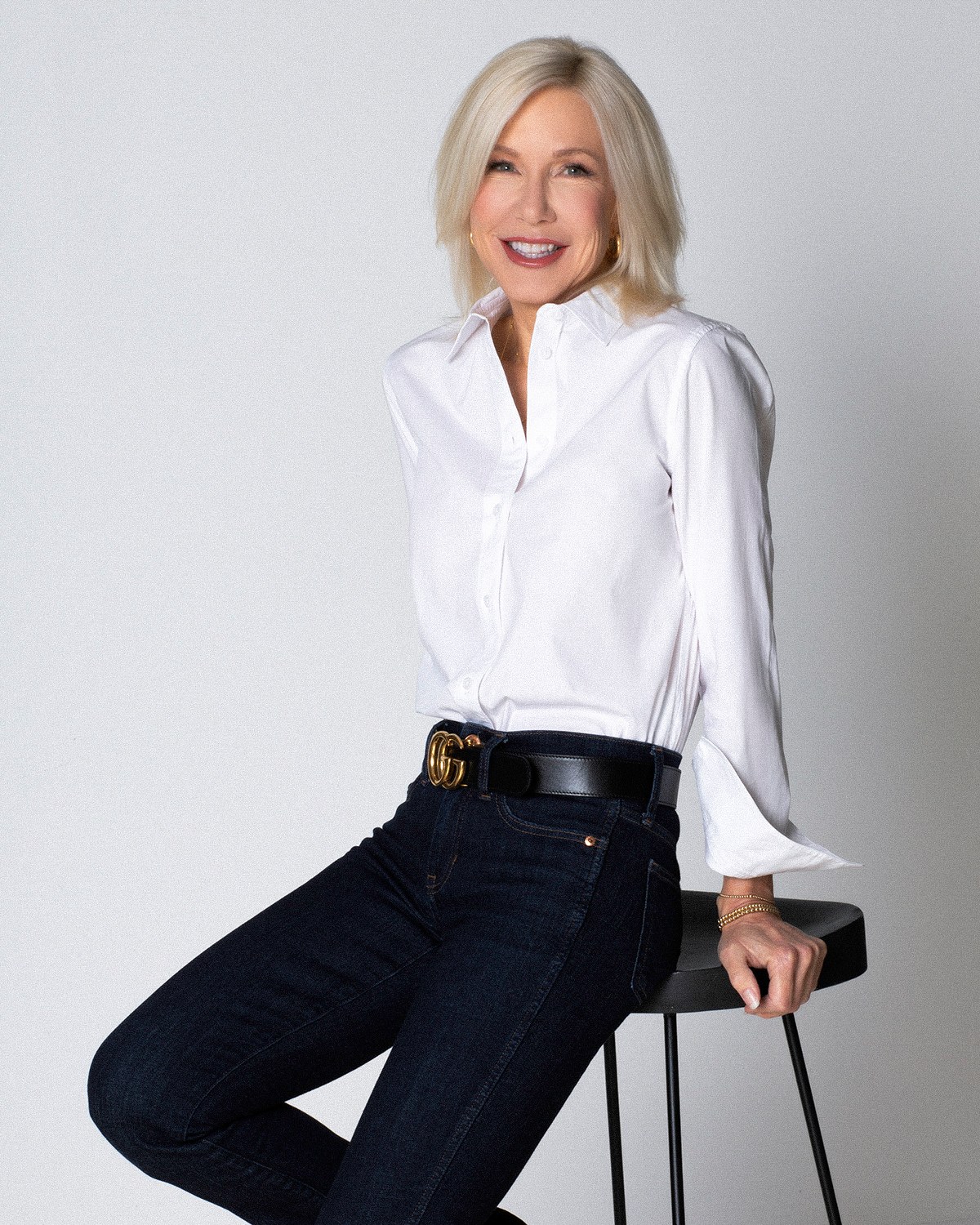
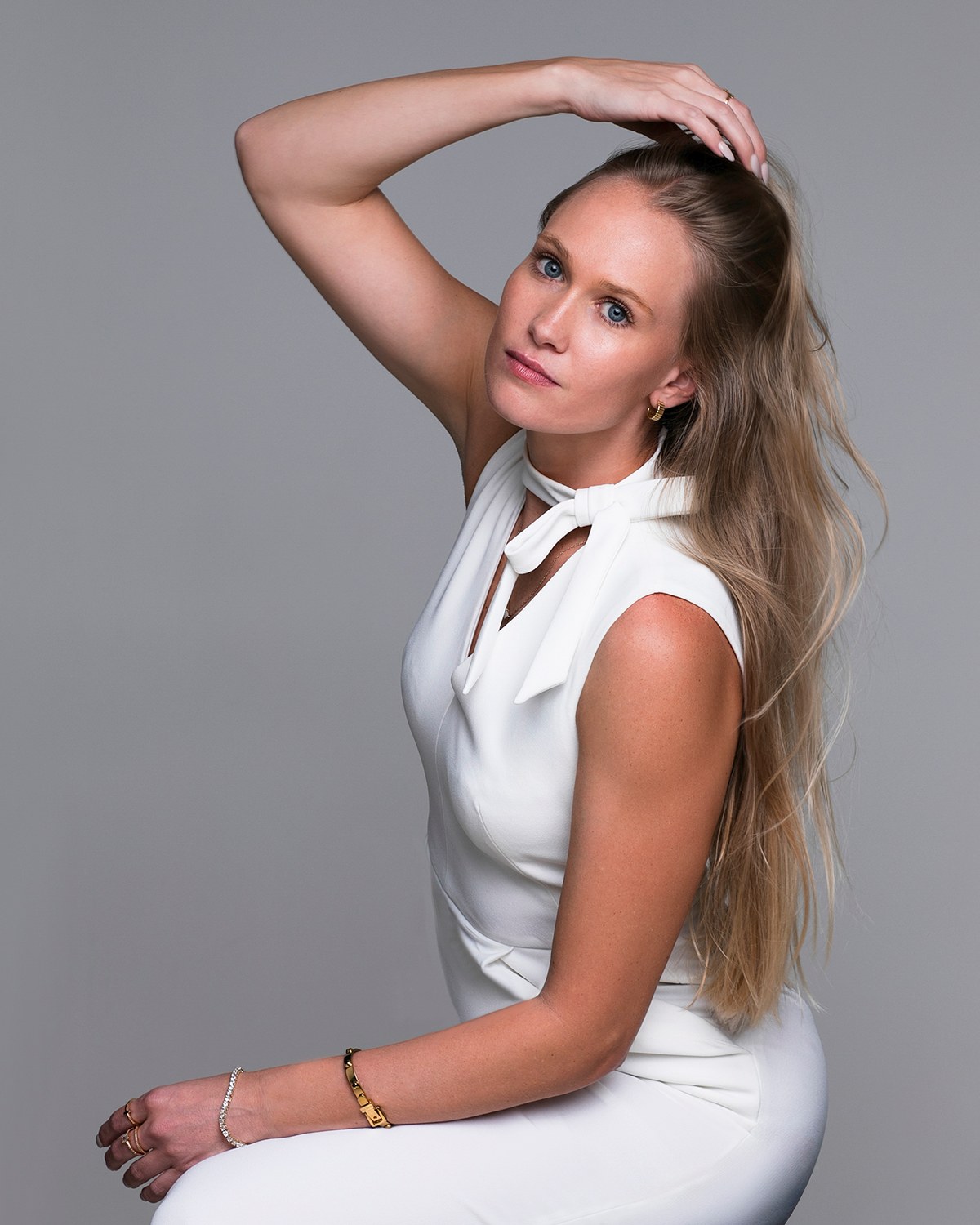
By the time a homeowner calls you, they have already looked. What they found was probably one photo, cropped six ways, doing the work of an entire marketing set. I make the set in my private Naples studio: the straight portrait, the working look, the wider frames with room for type, planned before you arrive and directed while we shoot.

The name on the truck is yours, or it might as well be, and a homeowner comparing three companies on a phone has almost nothing to go on: a name, some pictures of finished work, a price they cannot verify, and you. That is why one portrait ends up asked to do so much. It runs on the website, the profile, the proposal, the door hanger and the wrap panel, at six different shapes, and it visibly strains.
The single portrait itself is a solved problem with a page of its own: headshots for contractors argues the face on the estimate and how it gets made. What that page does not cover is everything else a growing company needs a picture for over a year, which is what this one is for.
A brand sitting produces a set rather than a picture. Different crops, different distances, a second look, all planned around the places they have to appear and all made in one visit so they match. Matching matters more in the trades than almost anywhere, because your marketing gets assembled by several different hands: a sign shop, a website template, a printer, whoever runs your ads. A set is what stops those from looking like three separate companies. My guide to personal brand photography carries the wider craft argument underneath all of this.
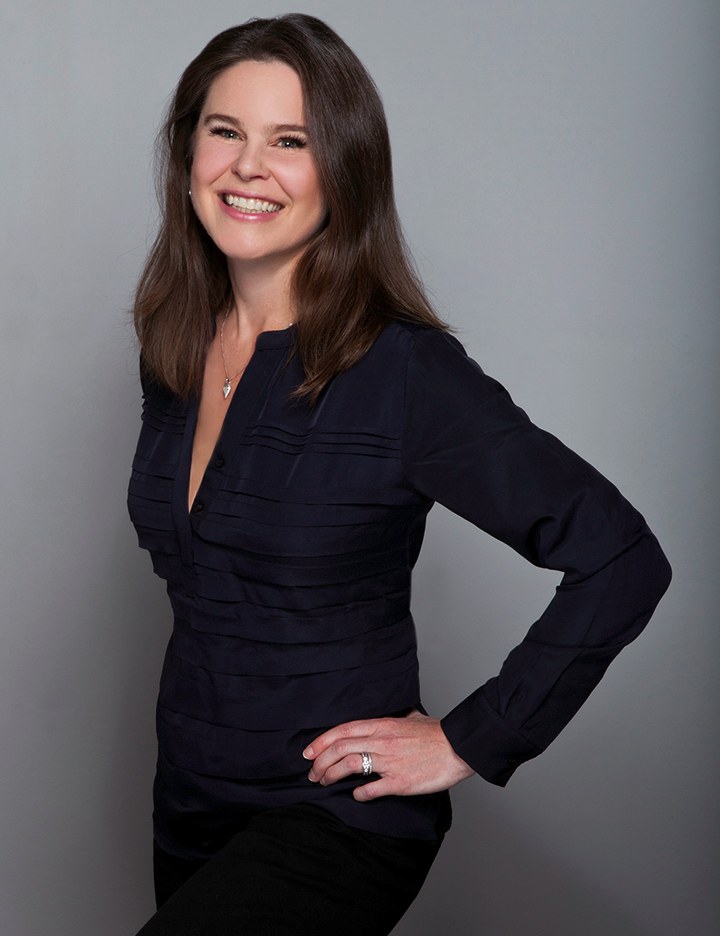
None of it is left for you to guess at. I name the stance, the hands, the chin and the expression as we go, so someone whose idea of a bad afternoon is standing still in front of a camera has nothing to figure out and still walks away with frames worth using.
Both get decided before you arrive and both get shot in the same visit, against several backdrops, so the proposal, the profile and the printed piece each end up with a frame built for them instead of sharing one.
Within the week the finished frames land in a private, password protected gallery, retouched by hand and cropped for the web, and made at print resolution because some of these end up considerably larger than a screen.
The decision you never get to watch happens on a phone, at somebody's kitchen table, with two other companies open in other tabs. Nobody is reading your copy at that point. They are hunting for evidence that a real person runs this and that the person is somebody they would let past the door.
One photo can answer that once. The trouble is that a homeowner meets you more than once: in the search result, then on the site, then on the estimate, then on the sign in a yard three houses down. The same slightly stretched picture in all four places reads as a small operation making do. A set reads as a company that has its act together, and that impression is doing its work while you are under a house somewhere with no signal.
A useful set is not five versions of the same picture. It is a handful of genuinely different frames, each built for a job it has to do:
Those four are the spine. What gets added to them depends on what you actually run, which is why the planning conversation is worth having before the sitting rather than after it. My guide to building a shot list is the version you can fill in yourself at the kitchen table.
Contractor photos fail in a small number of predictable ways, and none of them are about the camera.
The first is polish. Photographed like a financial adviser, in a suit against gray, you stop looking like the person who will actually be up on the roof. In this trade competence reads as clean, pressed and plainly capable of doing the work. Too formal and a homeowner starts wondering who is actually going to turn up.
The second is age. A picture that no longer matches the person at the door creates a small doubt that lands on the whole company, and it is worth fixing on its own terms.
The third is inconsistency, and it is the one a set exists to solve. One photo shot in a yard, one cropped out of somebody's party, one from a chamber breakfast with a banner behind your head. Side by side on a website they undercut each other, because the eye reads the mismatch before it reads any of the faces. Frames made in a single sitting under the same light cannot do that to you.
The other reason to own a set is that your profile has to stay alive. A company that has posted nothing in months reads as a company that has stopped, and the honest problem is that nobody wants to stop mid job to photograph themselves.
Job pictures you take yourself, on your phone, in the field, and that half should stay yours. Nobody needs me standing in a crawlspace. What a sitting gives you is the other half: a bank of portrait frames to run alongside the job photos, so the feed is not an endless stream of gutters and roof decking with no human in it. Pair a finished job with a frame of the person who did it and the post does something the job photo alone never manages. The same shortage turns up in trades with nothing else in common, which is why musicians building a press kit end up planning the identical thing in different clothes.
In a private studio in North Naples, off Pine Ridge Road. Several backdrops, a place to change between looks, no audience. Because the looks are planned in advance, there is very little left to decide once you are standing on the mark. Clients drive in from Fort Myers, Estero, Bonita Springs and Marco Island.
A company that sponsors a league or backs a cause ends up needing a different register for that work entirely, and the nonprofit leaders page argues that one. Everything here starts from my personal brand sessions.
The wrap, the yard sign, the proposal cover, the profile: the surfaces decide the frames. Bring the company shirt and a collar, and one visit covers all of it. What it costs follows from how many frames that list needs, so it starts with a call to (239) 319-6171, or the form. Tell me what you run.
Book a Session Call (239) 319-6171Tell me a little about what you have in mind and I will be in touch personally. Pricing is personal, so the best way to plan is a quick call.
Share a few details and Annie will be in touch personally.