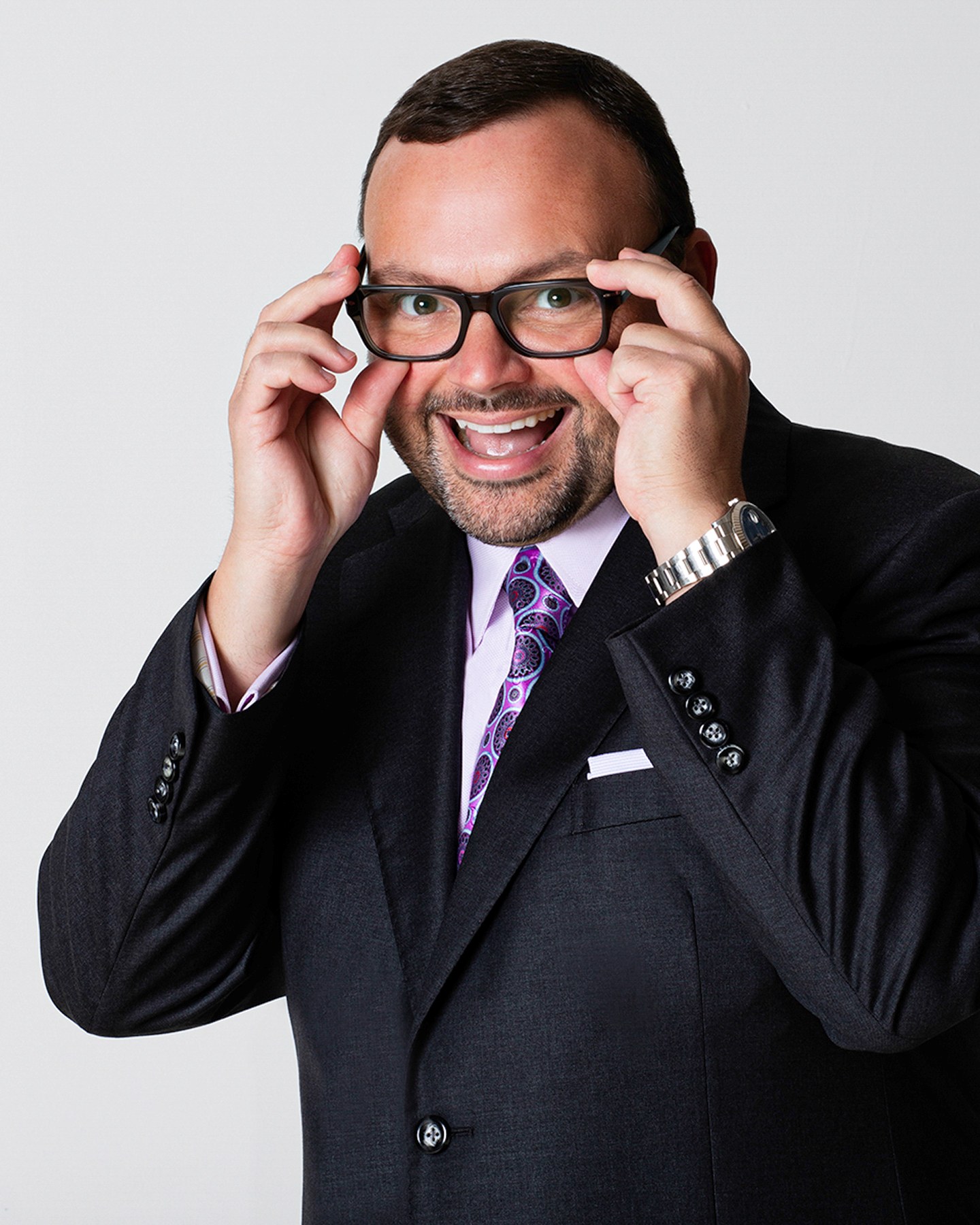
You can tell within a second, and you almost never know what you are reacting to. It is not the camera and it is not the editing. It is six quiet things, all of them decisions, and once somebody points them out you will see them in every portrait you look at for the rest of your life.

A portrait reads as high quality when the subject is clearly separated from the background, the light has an obvious direction and a shaped shadow, the camera stood far enough away for the face to be in normal proportion, the color is neutral and consistent, the expression is settled rather than braced, and the finishing is restrained enough to be invisible.
None of those depend on how much the equipment cost. All of them are decisions made before the shutter opened, which is why an ordinary camera in the hands of somebody making them produces a better picture than an expensive one in the hands of somebody who is not.
The first thing to clear away is the gear theory, because it is the explanation everyone reaches for and it is the least useful one available.
A better camera records more information. It does not decide where the light comes from, how far away it stands, what is behind you or what your face is doing. Every one of those is a choice, and every one of them is visible in the result. That is the reason two people with identical cameras produce entirely different work, and the reason a portrait made decades ago on modest equipment can still look better than something made this week.
What follows is the actual list. Six things, in the order a viewer reads them, and you can check every one of them on any photograph in front of you right now, the headshots on this site included.
The strongest single signal is whether the subject is clearly a separate object from the background, or looks pressed flat against it like a sticker on a page.
There are three ways to build that separation and good portraits usually use more than one. Tone puts a lighter subject against a darker field or the reverse. Light puts an edge along the hair and the shoulder, or lets the background fall below the brightness of the face. Distance puts real space behind the subject so the background softens on its own, which is where depth of field earns its reputation.
The failure is easy to spot once you look for it. A dark jacket against a dark wall with no edge, or a pale shirt against a bright white background with light spilling around the shoulders, and the outline of the person dissolves. The picture may be perfectly exposed and it will still look flat, because the eye has nothing to lock onto.
Look at any portrait you admire and you can point at where the light was standing. That sounds trivial. It is the difference between most amateur and most professional work.
Light with a direction leaves a shadow, and the shadow is what describes the shape of a face: the plane of the cheek, the line of the jaw, the small step under the lower lip. Remove it and a face becomes a flat disc with features drawn on. That is what a bare on-camera flash does, and it is what an evenly filled setup does too, which is why an over-lit portrait can look worse than a simpler one.
The second half of it is that the shadow should look deliberate. It should sit in a sensible place, have an edge that suits the person, and not run in two directions at once from competing sources. The vocabulary for all of this is in the guide to studio lighting styles, and a photographer who can move the shadow on purpose is the whole argument for working in a studio where every source is put where it is wanted.
This one is invisible until you know it, and then it is impossible to unsee. If the camera was close to the subject, the nose and forehead are rendered large and the ears fall away. The face is subtly not the face that person has, and a viewer registers the wrongness without being able to name it.
Portraits that read as expensive are nearly always made from further back than people expect, which is why the framing looks calm and the features look ordinary in the best sense of the word. Nothing is pushing forward out of the picture.
You can check it in a moment: find the ears. In a well made portrait they are present and in proportion. In a close one they are small, tucked back and sometimes missing entirely. The mechanics of that are in the guide to why your nose looks bigger in some photographs, and the short version is that distance, not equipment, sets the shape of a face.
Skin is the most demanding subject there is for color, because everyone knows instantly when it is wrong even though almost nobody can say what the correct value would have been.
Three failures do most of the damage. The first is mixed sources, where two different colors of light land on one face and leave a warm cheek beside a cool forehead. The second is a color cast picked up from a nearby surface, which puts green or orange into skin. The third is inconsistency across a set, where five photographs of the same person in the same sitting do not look like the same afternoon.
A picture that reads as expensive has neutral, believable skin, a background whose color does not creep into the face, and siblings that match it. That is unglamorous, invisible work, and it is a large part of what a controlled room is for. It matters even more across a whole personal brand library, where dozens of images have to look like one body of work rather than a collection.
Every technical thing on this list can be right and the photograph can still fail here, because the last variable is the person in it.
Braced looks specific and you already recognize it: the jaw set, the shoulders lifted slightly toward the ears, the breath held, the eyes widened a fraction, a smile arranged rather than arriving. It is what a face does when it is waiting for something to be over.
Settled looks different in ways that are equally physical. The shoulders drop, the breath goes out before the frame, the chin comes forward and slightly down so the neck lengthens, and the eyes narrow a touch at the lower lid rather than stretching open. None of that happens by being told to relax, which is the least useful instruction in photography. It happens by being given something specific to do, which is what guided posing is and why every session includes it.
This is the part people credit to being photogenic. It is not a trait. It is direction.
The last signal is the one that gets reversed most often: heavy editing does not read as expensive, it reads as anxious.
The principle is that finishing should be work you cannot see. Retouching done by hand, kept light enough that the face stays the face, is invisible and correct. A filter is visible by design and dates the picture to the year it was made. Where that line sits is the whole subject of the guide to retouching in portraiture.
There is a related look, deliberately stylized and clearly authored, which is a different intention altogether rather than a failure of restraint, and it is worth understanding on its own terms in the guide to fine art photography.
Put the six together and you have a reading order you can run on a portfolio, on a competitor's website, or on the photograph currently representing you.
Run it on a photographer's gallery before you book and it tells you far more than a description does, because it shows you whether these were decisions or accidents. Run it on your own current picture and it usually explains the feeling that something is off. Everything about how a session turns those six into a finished photograph is laid out in the guide to professional headshots.
Separation, direction of light, working distance, neutral color, a settled expression and restraint at the end. Not one of those is bought, and not one of them happens by accident. If you would like your next portrait made with all six of them in mind, planning and pricing are personal, so start with a quick call to (239) 319-6171 or send the form.
Book a Session Call (239) 319-6171Tell me a little about what you have in mind and I will be in touch personally. Pricing is personal, so the best way to plan is a quick call.
Share a few details and Annie will be in touch personally.