Portfolio
Headshots Boudoir Personal Brand
More
Guides Investment Guided Posing About Book a Session
Home  /  Guides  /  Shoes Matter in Full-Length Portraits
Wardrobe

Shoes matter in full-length portraits.

The moment a frame widens to show your whole body, your shoes stop being an afterthought and become part of the picture. This guide is only about that moment: what footwear says at full length, how it changes your posture, and what to actually pack.

By Annie Watson · Naples, Florida · Updated September 2026
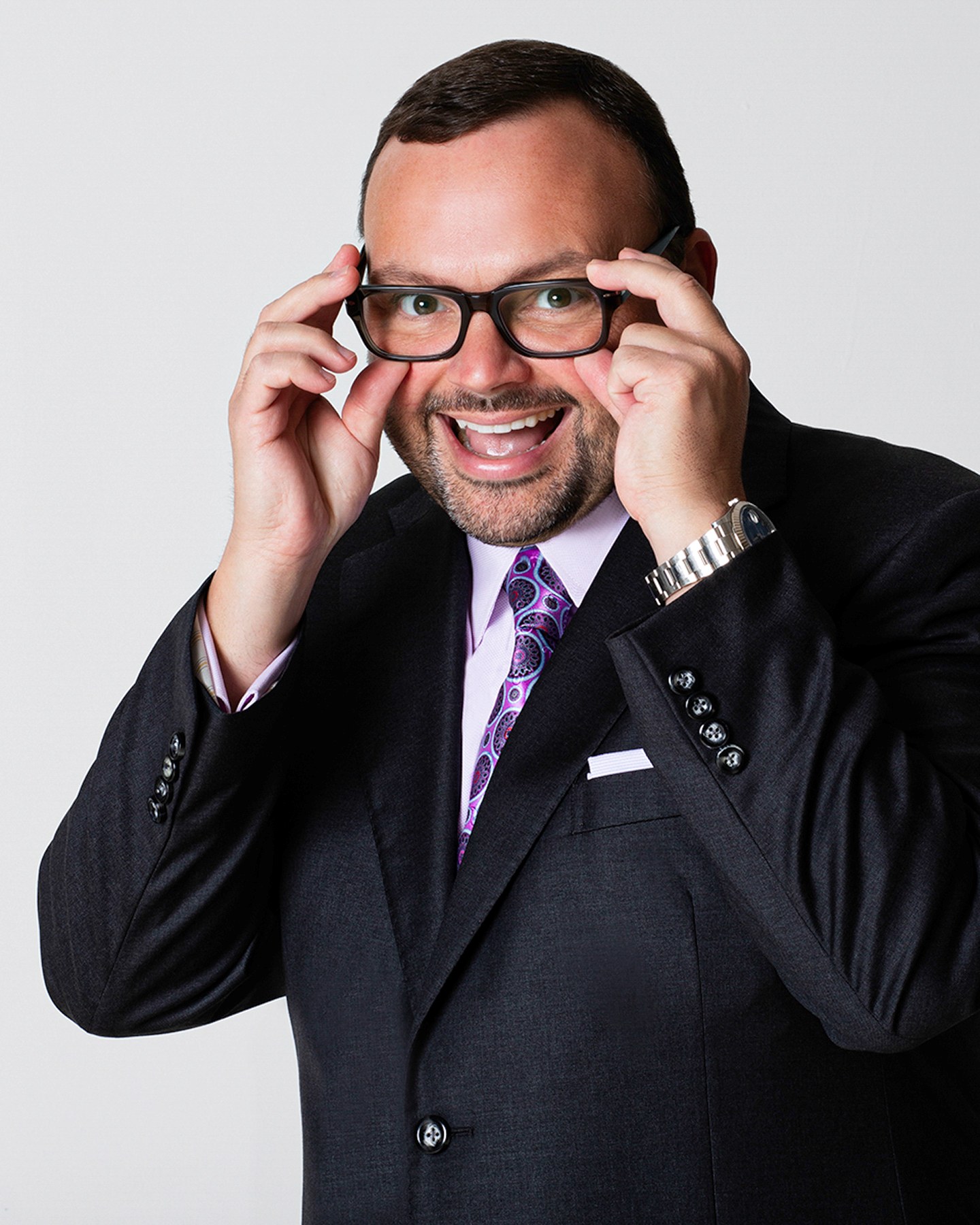
Man in a black suit and purple tie adjusting his glasses with a grin, white backdrop, photographed by Annie Watson in her Naples studio
The Short Answer

In a full-length portrait, shoes are visible and they change how you stand. Structured shoes with a slight heel shift weight forward and lengthen posture, while flat, soft shoes let weight sit back and read as more relaxed. Both are correct choices for different looks, but only if you choose on purpose.

Bring two pairs when a session includes full-length frames: one polished and structured, one relaxed and comfortable, so the formal and casual looks in your sitting each have footwear that matches them rather than compromising with one pair for both.

The frame widens, and the shoes are in it.

Most headshot advice never mentions shoes, and that is not an oversight. A headshot crop ends well above the waist, and footwear simply is not in the frame. The moment a session includes full-length or even half-length images, which is common in a personal brand sitting built around the wider shot list described in the guide to personal brand photography, everything changes. Shoes are now visible, and visible things get noticed.

This is worth planning for specifically because it catches people off guard. Someone who thought carefully about their top, their jacket and their color story can still show up in whatever shoes were fastest to grab that morning, simply because nobody told them the frame would go that wide.

How a shoe changes your posture.

Footwear does more than sit at the bottom of a picture. It changes how your whole body holds itself, which is why the same person in the same outfit can look noticeably different depending on what is on their feet.

  • A shoe with some heel and structure shifts weight forward onto the balls of the feet, which tends to straighten the spine and lengthen the whole standing posture.
  • A completely flat, soft shoe lets weight settle back into the heels, which reads as more relaxed and grounded, and suits a casual or approachable look well.
  • A shoe that pinches or feels unstable changes your expression before it changes your stance, because discomfort in the feet shows up on the face faster than almost anywhere else.
  • Worn-in shoes you can stand comfortably in for a full sitting will always outperform a stiff, brand-new pair, no matter how sharp the new pair looks in the box.

None of this means you need heels to look polished, or flats to look relaxed. It means the choice is doing real work on your posture, and it is worth making that choice rather than defaulting to whatever is by the door.

Sneakers versus dress shoes, and what each says.

In a full-length frame, footwear is one of the fastest signals a viewer reads, often before they consciously register the rest of the outfit.

A clean, structured dress shoe or a polished flat pairs with a formal or executive look and reinforces it. A sneaker under the same formal outfit can look intentional and current, in the way a well put together creative or entrepreneur styles it, or it can look like a mismatch, and the difference usually comes down to whether the rest of the outfit is dressed down to meet it. A single sharp sneaker under a tailored jacket reads as a choice. A sneaker under an otherwise formal look with no other casual element reads as an oversight.

The safest approach when you are unsure is to match the register of your shoes to the register of your outfit rather than trying to make one element do something the rest of the look is not doing. Save contrast for when you actually want to make a statement with it, not by accident.

Bringing two pairs, not one compromise.

If your session includes both a formal look and a relaxed one, which is common in a personal brand shot list built for content day use, bring shoes for each rather than trying to find one pair that half-works for both. A single compromise pair usually undersells the formal frames and overdresses the relaxed ones.

  • One structured, polished pair for the formal look: a clean dress shoe, boot, or heel that matches the jacket and the posture you want in those frames.
  • One relaxed, comfortable pair for the casual look: a simple flat, loafer, or clean sneaker that suits an approachable, everyday version of you.
  • Both pairs should already be broken in. A shoe that feels new on your feet often looks new in your stance too, stiff and slightly careful.

Two pairs take up almost no extra room in a bag that already has two or three tops in it, and the payoff, footwear that actually matches each look, is disproportionate to the small effort of packing a second box.

Socks, hems and the small details.

Once shoes are in the frame, the inch or two of leg just above them is too, and that inch gets overlooked more than any other part of a full-length outfit.

Socks should coordinate rather than clash: a bright, patterned sock under a formal trouser can pull focus in exactly the way a loud shirt would higher up the frame. Hems matter more standing than they ever do sitting, so check how your trousers or skirt actually sit with the shoes you are planning to wear, not the ones you tried them on with originally, since a change in heel height changes hem length. A trouser hemmed for flats will pool differently over a heel, and the reverse is just as true.

None of this needs to be perfect on your own. Bring both shoe options and we will check the fall of the hem together once you are dressed and standing, which is a two minute check that solves nearly every version of this problem.

What a studio session actually shows.

Full-length frames in a brand session are studio-made: shot against a controlled backdrop, with the light set to show your whole standing posture clearly. That means the background and the light are both working in your favor for exactly the kind of clean, full-body frame where shoe choice matters most.

It also means there is nothing to hide behind. A studio backdrop puts your entire outfit, feet included, in clean, even light with nothing distracting behind it, which is precisely why footwear reads as clearly as it does in these images. What that means for the rest of a standing pose, hands, weight distribution, the angle of the shoulders, is its own subject in the standing posing guide.

Where shoes fit into the wider wardrobe plan.

Shoes are the last piece of a much bigger decision, and they work best chosen after the rest of the outfit rather than before it. The overall approach to dressing for a full-length brand sitting, from the top down, is covered in what to wear for a personal brand shoot, and what to wear for headshots more generally covers the same principles for a tighter crop.

Patterns and solids above the waist interact with what is on your feet more than people expect: a bold print calls for a quiet, simple shoe, while a solid, simple outfit has more room for a shoe with personality. That balance is covered fully in prints and solids on camera. And if dressing after forty is part of what brought you here, the wardrobe questions specific to that stage are addressed in what to wear over forty for portraits.

Key Takeaways
  • Shoes only matter once a frame is wide enough to show them, which happens in full-length and half-length portraits far more than in a tight headshot.
  • A structured shoe with some heel shifts weight forward and lengthens posture; a flat, soft shoe reads as relaxed and grounded.
  • Match the formality of your shoes to the formality of your outfit unless you are deliberately mixing registers on purpose.
  • Bring two pairs when a session includes both a formal and a relaxed look, rather than compromising with one pair for both.
  • Break shoes in before the session. New shoes look as stiff in a photograph as they feel on your feet.
  • Check hems against the actual shoes you are wearing, since heel height changes how a trouser or skirt falls.
Next Step

The frame goes to the floor.

Pack the second pair. It takes one box of room in the bag, and it decides whether your relaxed frames read as relaxed or as your formal look with the jacket taken off. If you are not sure whether your session goes to full length at all, that is the first thing to settle when we plan your looks. Call (239) 319-6171 or send the form.

Book a Session Call (239) 319-6171
Put It to Work

Sessions this guide points to.

Good to Know

Questions, answered.

Do I need to worry about shoes if my session is only headshots?
No. A standard headshot crop ends well above the waist, so footwear never enters the frame. This is specific to sessions that include full-length or half-length images, which is more common in a personal brand sitting than in a headshot session focused on your face alone.
What color shoes work best in a full-length portrait?
A neutral that coordinates with your trousers or the hem of your outfit is the safest choice: black, brown, navy or a tone close to your pants. A shoe that contrasts sharply with everything above it can pull the eye down and away from your face, which is the opposite of what you want in a portrait.
Can I wear heels if I am not used to standing in them?
Only if you can stand comfortably and naturally for a full sitting, because discomfort shows on the face and in the posture faster than almost anything else. If heels are not a regular part of your wardrobe, a lower heel or a flat that still reads as polished is a better choice than a pair you are managing rather than wearing.
Are sneakers ever appropriate for a professional personal brand photo?
Yes, particularly for creative, tech or casual professional fields where a clean sneaker is genuinely part of the everyday look. The key is matching it to the rest of the outfit rather than pairing it with an otherwise formal look, where it can read as accidental instead of intentional.
Should shoes match between a seated and a standing frame in the same look?
Yes, keep the same shoes across every frame of one look, seated or standing, since a change mid-look would be visible if any two images from that outfit are ever shown side by side. Save your second pair for a genuinely separate look, formal to relaxed, rather than switching within one.
What if I only own one pair of nice shoes?
One well-fitted, comfortable pair is enough if your session is built around a single look. If your sitting includes both a formal and a relaxed outfit, a second casual pair you already own is worth bringing, even a plain one. How comfortable and well-fitted the pair is matters far more in a photograph than how new it is.
Book Your Session

Your best headshot is one session away.

Tell me a little about what you have in mind and I will be in touch personally. Pricing is personal, so the best way to plan is a quick call.

Studio
5400 Yahl St, Naples FL

Prefer to talk? Call (239) 319-6171. I respond personally.