Act natural is the least useful instruction in photography, because the moment you try to be natural you are performing, and performing is exactly what the camera catches. Natural is not the absence of posing. It is a set of small physical habits, and every one of them can be learned.

You look natural in photos when your body is doing something specific and your attention is pointed outward instead of at yourself. Stiffness comes from holding: held breath, held smile, held shoulders, held stillness. The fix is to keep moving in tiny amounts between frames, breathe out just before the shutter, and reset your face every few seconds instead of maintaining one expression.
The paradox is that the most natural looking portraits are the most directed ones. Being told exactly what to do removes the guessing, and guessing is what makes a person look uncertain in a picture.
It helps to know what you are actually fighting. Nobody has a stiff face. What you have, in the second the shutter opens, is a set of things you are holding, and a camera reads held tissue with total accuracy at a hundredth of a second.
Here is the full list of what usually gets held, in the order it tends to happen:
Notice that not one of these is about how you look. They are all about what you are doing. That is the good news, because doing is changeable in about two seconds, and it is why looking natural is a skill rather than a gift.
If you take one thing from this page, take this. Just before a frame, breathe out. Not a sigh, not a performance, just let the air go and let the shoulders fall wherever they land at the bottom of it.
An exhale does four things simultaneously that you could otherwise only do by concentrating on four separate instructions. The shoulders drop. The jaw unclenches. The chest stops being braced. And the face softens by a fraction that you cannot see in a mirror but that shows clearly in a photograph. It is the single highest return adjustment in portrait work, and it is the one nobody thinks to do alone.
Practice the timing rather than the breath. The frame happens at the bottom of the exhale, right before the next one in. In a directed session you get told when, which is why solo attempts so often catch you mid-inhale and braced.
The related habit is talking. A sentence spoken out loud immediately before a frame resets the mouth, the throat and the eyes together. It is why so much direction sounds like conversation rather than commands.
Most people assume a good portrait is a held pose captured cleanly. It is closer to the opposite. A body that has been frozen for ten seconds looks frozen, because muscles under sustained load look different from muscles in motion, and the difference is legible even when nothing is blurred.
So the working method is small movement, constantly. Between frames, change something tiny: shift the weight from one foot to the other and back, turn the head a couple of degrees, let one hand come off a hip and return, roll the near shoulder once. None of these movements is meant to be photographed. They exist so that when the shutter fires, your body is passing through a position rather than defending one.
The version of this that goes wrong is big movement. Walking toward the camera, swinging arms, spinning a jacket: those are hard to time and they usually produce one usable frame out of thirty. Small is what works. Think of it as never quite arriving. The how to pose guide lays out the positions themselves, and this page is about staying alive inside them.
Eyes are where natural is won or lost, and they get almost no attention in most advice. Three specific things matter.
Looking into a lens continuously for more than a few seconds produces a glassy quality that everyone recognizes and nobody can name. Break it. Look away, let the face fully drop, then come back. The frame taken as you return has a moment of genuine focus in it that a held stare never has.
When your body is angled away and your face comes back toward the camera, it is tempting to keep the head still and carry the eyes over instead. The result is a visible crescent of white on one side of each iris, and it reads as shifty or unwell in every single photograph. Rotate the whole head so the lens sits between your eyes.
The eyes report what is actually going on behind them, which is why trying to feel warm on command produces nothing. Aim at something concrete instead: one person, one thing you are looking forward to later that day, one private joke. A specific thought lands in the eyes within about a second. A general instruction to look confident does not.
The narrow squint that accompanies real warmth is a mechanic of its own, and so is producing an expression on demand without it curdling; that whole subject belongs to the guide on a natural smile on cue.
There is a common belief that the way to look natural is to be photographed without knowing, and that anything arranged is automatically fake. It is worth taking apart, because it stops people from getting the pictures they need.
A candid photograph is unaware, not natural. It catches you mid-blink, lit by whatever was overhead, from wherever the person holding the camera happened to stand. When a shot from a party looks wonderful, it is not because it was unplanned. It is that in that instant you were breathing out, mid-movement, thinking about something, with your body turned and your chin where it should be. Direction arranges for that instant on purpose instead of waiting a year for one.
The genuinely fake looking photograph is not the posed one. It is the underdirected one, where somebody was left standing with no instruction and their body invented something to do. Several other beliefs in this family, including the idea that you either photograph well or you do not, get taken apart in posing myths, debunked.
What is true is that a pose borrowed wholesale from a picture you saved will look borrowed. Positions have to fit your build, your clothes and the reason for the photo, which is also why generic advice fails for anyone whose proportions it was not written for; the specific version for larger frames sits in posing for plus-size portraits.
All of this can be rehearsed before you ever book anything, and rehearsing it does help, as long as you rehearse the right thing. Do not rehearse poses. Rehearse the transitions, because the transitions are what natural is made of.
Two warnings. A phone held at arm's length or below your face is working against you whatever you do with your body, because lens height and distance shape a face more than any pose can. And checking constantly turns practice into judgment, which is the thing you are trying to get out of your own way.
If what you are actually dealing with is not stiffness but dread, that is a different problem with a different answer, and it has its own page on camera anxiety.
Here is the honest limit of everything above. You can learn every one of these habits, and you still cannot see yourself. You cannot tell whether the breath landed, whether the shoulder crept back up, whether the hand went flat, or whether the frame caught you between two thoughts instead of during one. Those are all things visible only from where the camera is.
That is what direction is for. In a session you are not running a checklist in your head, which would make you look exactly as busy as it sounds. You get one small instruction at a time from someone watching the frame, and the correction arrives before you have any chance to hold anything. What that method involves is spelled out in guided posing, and it is in every sitting I do in my private Naples studio.
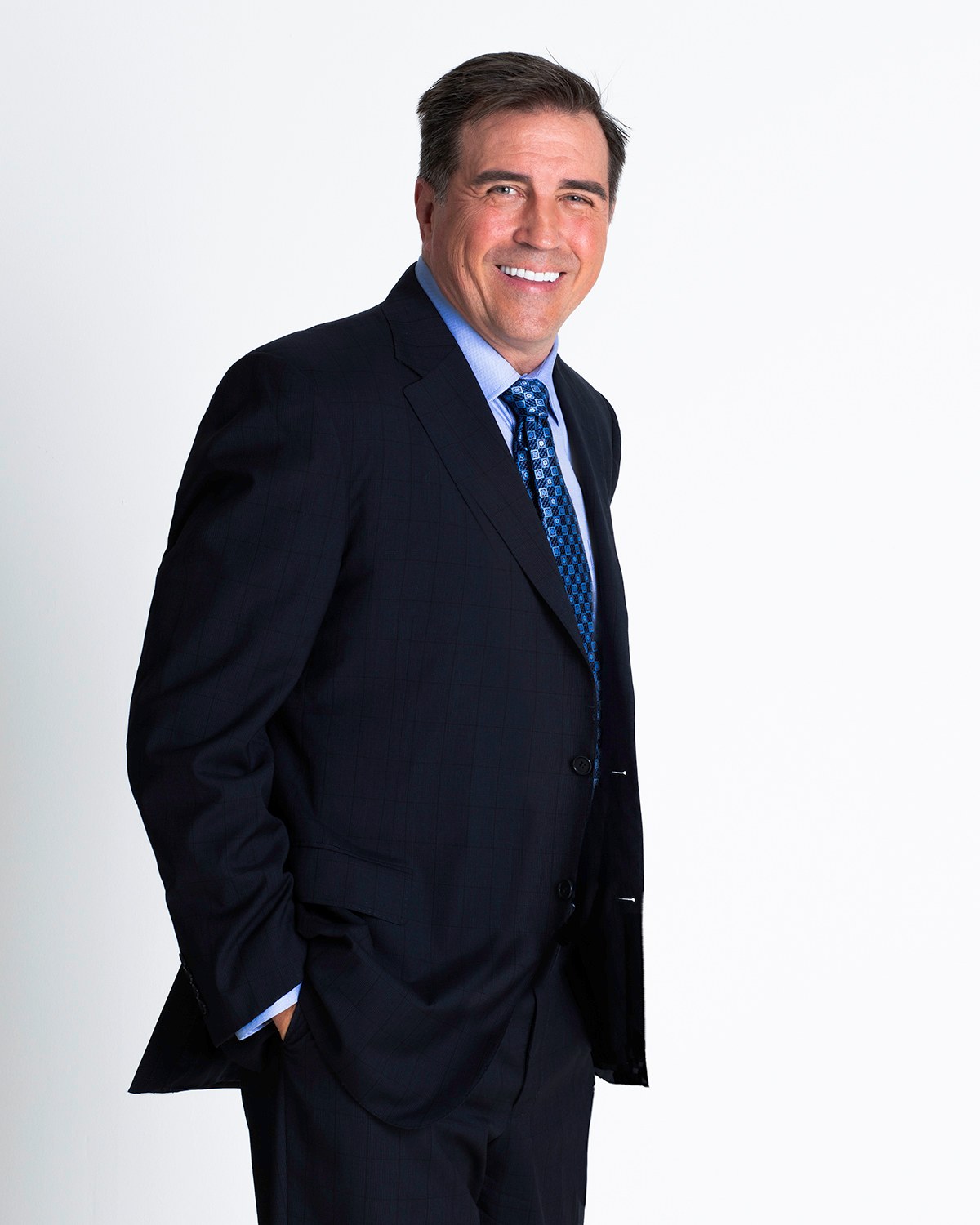
For a professional headshot the margin is small: a couple of degrees of head rotation and a single breath separate a picture that reads as capable from one that reads as apprehensive. Learn the habits anyway. They make direction land faster, and you arrive already knowing what the instructions feel like.
The habits on this page are all worth having, and not one of them tells you whether the frame worked. Only the person watching from behind the camera knows that. If you want portraits that look like you on an ordinary good day, call (239) 319-6171 or send the form, and you can arrive knowing none of it.
Book a Session Call (239) 319-6171Tell me a little about what you have in mind and I will be in touch personally. Pricing is personal, so the best way to plan is a quick call.
Share a few details and Annie will be in touch personally.