A headshot is small and still, which changes how jewelry behaves compared to a mirror or a party. Something you barely notice wearing can flash, swing or catch the light in a way a single frozen frame makes obvious. Here is what reads at that scale, piece by piece, and what quietly competes with your face instead.

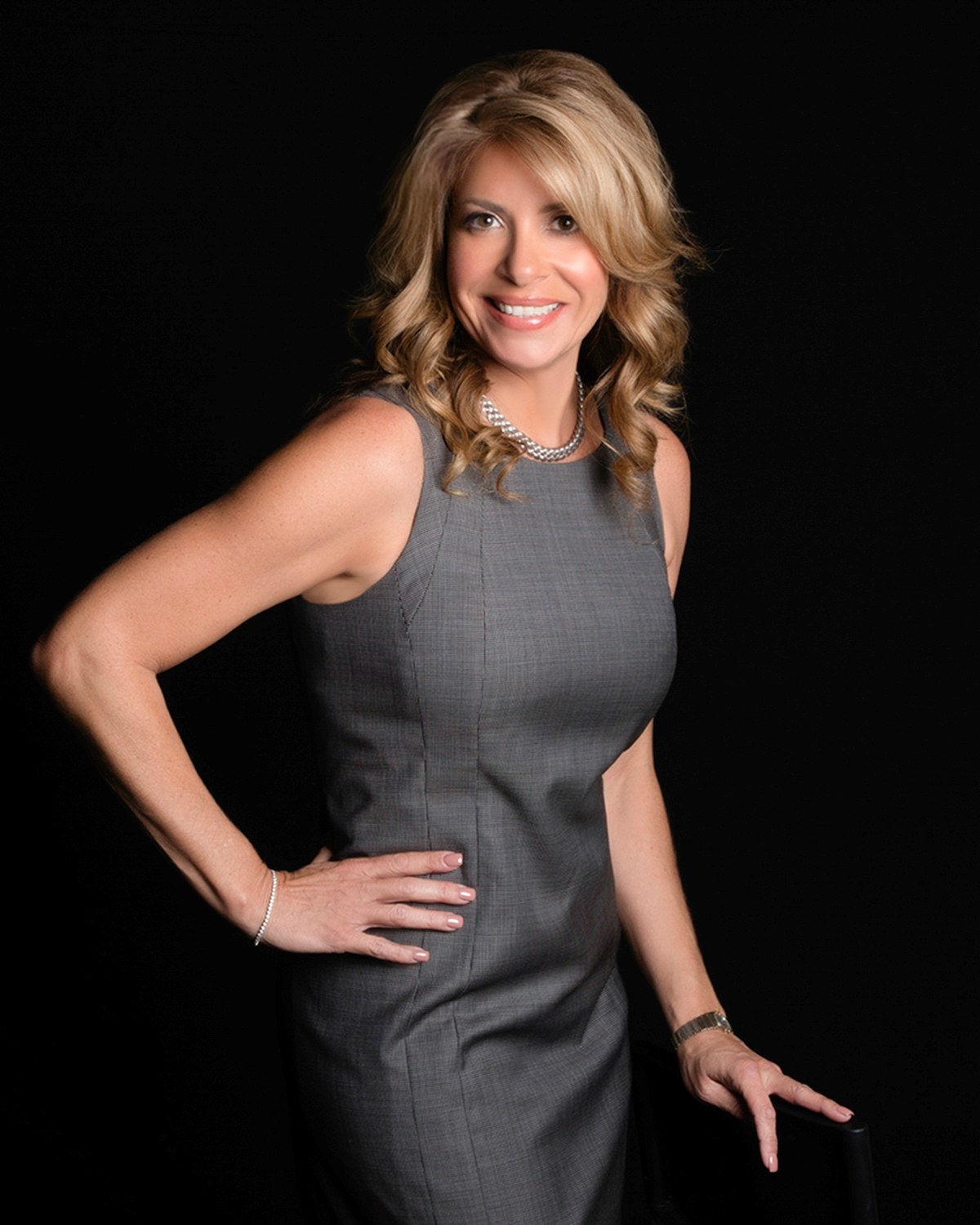
Small and matte reads well at headshot scale: studs or short drops, a single simple chain, a plain band or a watch with a quiet face. Large, shiny or moving pieces compete with your eyes, because a camera freezes a swing or a flash of light that your own eye would normally smooth over.
Ask one question of every piece: does it say something specific about you (a signature piece, a wedding band, a meaningful gift), or is it decoration the frame does not need?
In person, jewelry has motion, context and distance working in its favor. A necklace catches the light for a second and moves on. A bracelet clinks and disappears into the background of a conversation. A photograph removes all three. It picks one instant, holds it still, and often shows it small, on a screen, next to dozens of other headshots in a row.
That single frozen instant is the whole problem. A pendant that would normally settle back into place mid-sentence gets photographed exactly where it landed, sometimes turned sideways, sometimes catching a hot reflection from a light it was never meant to face directly. None of that is bad jewelry. It is simply jewelry doing something a still camera was never going to flatter.
The fix is not avoiding jewelry. It is choosing pieces that hold their shape and their light in a single still moment, the same way a neckline needs a clean simple line rather than a busy one, covered in the necklines that flatter guide.
Earrings sit closest to the face of anything you can wear, which means they get more attention from the camera than almost any other accessory, for better or worse.
If you love a bold earring and want it in the picture, plan for it rather than discover it. A slower pace between frames, a check of the angle, and it can absolutely work. What rarely works is a pair chosen the morning of that nobody has tested under real light.
A necklace has to make peace with the neckline underneath it, since the two are almost never photographed apart.
A single simple chain or a small pendant sitting close to the throat pairs with nearly any neckline and reads as intentional rather than decorative. A long pendant hanging past the collarbone runs into the same problem a low neckline does: the crop may end before it does, leaving a chain visibly cut off rather than resting where it should. Layered necklaces, several chains at once, tend to tangle visually at small scale even when they sit perfectly in person, because the eye cannot separate three thin lines from one busy one in a still frame.
One necklace, chosen to sit above where the crop is likely to end, does more for a headshot than three chosen to be seen together. If the piece has meaning, a family piece, an anniversary gift, wearing it is worth far more than swapping it for something merely safer.
In a tight headshot, hands rarely appear, so watches and rings mostly matter once the frame widens, which is exactly what happens in a personal brand session built around several looks and a wider crop, planned in what to wear for a personal brand shoot.
A watch with a simple face and a clean band photographs well and often reads as deliberate, the kind of small detail that makes an image feel considered rather than staged. A watch face that is very reflective or very busy can pull the eye toward the wrist in a frame meant to be about your face and posture. Rings are usually fine as worn, a wedding band, a signet, a piece with real meaning, and rarely need any adjustment beyond making sure hands are clean and relaxed rather than clenched.
If your hands appear in the frame at all, whether resting on a desk, holding a jacket or simply at your side, plain, calm jewelry keeps the eye moving through the picture instead of stopping partway.
Wearing no jewelry is a legitimate choice, not a compromise, and it is often the right one for a straightforward headshots session, where the goal is a face people can trust and remember without a single distracting detail.
None also solves a real problem for anyone unsure what they own that photographs well. Rather than guessing, arrive with clean, simple options and let the decision happen once you can see yourself under the actual light, the same way business casual versus formal decisions often settle faster once you are standing in the room than they do the night before in your head.
The one exception worth planning around deliberately is a signature piece, something you wear every day and are known for. That kind of jewelry belongs in the frame even if it breaks the general rule, because it is doing a different job: it is identifying you, not decorating you.
It only makes sense once the neckline, color and fit of the outfit are settled. Put the whole look together, then decide what, if anything, the outfit is missing.
That full sequence, color first, then neckline, fit, pattern and layers, with jewelry as the final small choice, is laid out completely in the what to wear guide. If your session is a personal personal brand sitting built around several outfits and a wider frame, jewelry gets to do more work across the day, since a wider crop shows hands, wrists and full necklines that a tight headshot never reaches.
One accessory this guide does not cover: footwear rarely photographs in a headshot, but it matters the moment a session widens to a full-length frame, which is its own subject in shoes matter in full-length portraits.
If there is a piece of jewelry that is genuinely part of how people picture you, it belongs in the frame, and everything else can stay in the box. If you are not sure which side of that line a piece falls on, that is a two-minute question on the call. Reach me at (239) 319-6171 or send the form and name the piece.
Book a Session Call (239) 319-6171Tell me a little about what you have in mind and I will be in touch personally. Pricing is personal, so the best way to plan is a quick call.
Share a few details and Annie will be in touch personally.