Portfolio
Headshots Boudoir Personal Brand
More
Guides Investment Guided Posing About Book a Session
Home  /  Guides  /  Business Casual vs Formal Headshots
Wardrobe

Business casual or formal.

This question is really about what you want your photo to say before anyone reads a word about you. A suit says one thing. An open-collar shirt says another. Neither is right or wrong on its own, and the honest answer for most people is somewhere between the two, not fully at either end.

By Annie Watson · Naples, Florida · Updated September 2026
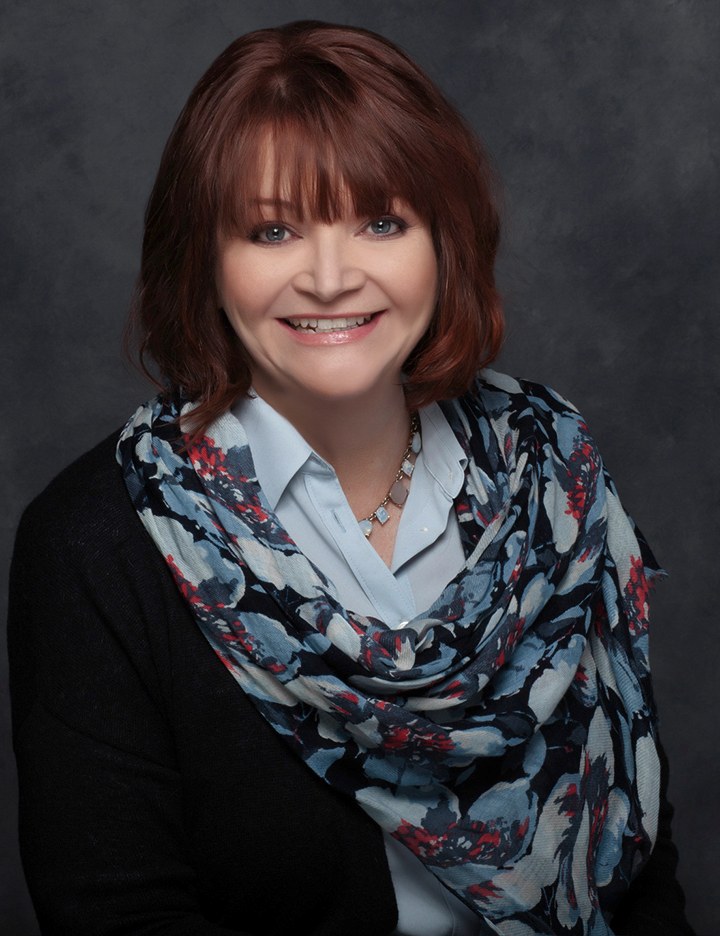
Woman with auburn hair and bangs in a floral scarf, smiling, dark backdrop, photographed by Annie Watson in her Naples studio
The Short Answer

Formal wardrobe, a suit, a blazer with a tie or a structured dress, signals authority and structure. Business casual, an open collar, a blouse without a jacket, a cardigan, signals approachability and ease. Most people are best served by a middle register: a blazer over a simple top, without a tie or a stiff full suit, which reads as polished without reading as stiff.

If you genuinely cannot decide, the practical answer is to plan for both. A jacket that comes on and off inside a single sitting gets you a formal result and a relaxed one without needing two separate sessions.

Formal and business casual are a spectrum, not two boxes.

It helps to stop thinking of this as a choice between two fixed categories and start thinking of it as a dial. A full suit with a tie sits at one end. A t-shirt sits at the other. Almost everything you actually own falls somewhere in between, and the useful question is not which box you belong in, it is where on that dial your photo needs to land.

The dial moves with small changes: a jacket on or off, a top button closed or open, a tie added or skipped, a blazer swapped for a cardigan. None of these require an entirely different outfit. They are adjustments to the same wardrobe, which is part of why this decision is easier than it feels.

What formal signals.

A structured jacket, a closed collar or tie, darker and more saturated colors, and clean, unfussy lines all read as formal. Formal wardrobe tends to communicate structure, authority and a certain distance, which is exactly the register some roles and some uses genuinely call for: a courtroom setting, an executive bio, a board of directors' page.

Formal does not have to mean severe. A well-fitted blazer in a rich color with a simple top underneath reads as formal without reading as cold, and it is a far more forgiving choice under studio light than an ill-fitting suit borrowed for the occasion.

What business casual signals.

An open collar, a cardigan, a blouse or knit top without a jacket, and softer, warmer colors all read as approachable rather than authoritative. Business casual communicates ease and accessibility, which suits roles built around relationships, conversation and trust as much as expertise.

The risk on this end of the dial is drifting too far toward casual and losing the sense that this is a professional photograph at all. A t-shirt, visible logos, or anything you would genuinely wear to run errands undercuts the purpose of a headshot even if the color and fit are otherwise fine.

Industry norms, without the stereotypes.

Different fields do lean toward different registers, but the honest version of that advice is looser than most lists suggest. Law, banking and executive leadership tend to skew formal because the audience for those photos often expects structure. Creative fields, coaching, consulting and relationship-driven work tend to skew business casual because approachability is doing more work than authority.

None of that is a rule, and plenty of people in formal fields choose a warmer, more relaxed register on purpose, or the reverse. The honest guidance is to think about who is actually going to look at this photo and what you want them to feel in the first second, rather than assuming your field has already decided for you. A photo aimed at a client who has never met you carries a different weight than one aimed at a colleague who already knows your work, and that audience matters more than any industry norm.

The case for shooting both in one sitting.

You do not have to pick a single register and live with it. One sitting holds more than one look, which means a formal option and a business casual one are both realistically within reach in the same appointment rather than requiring two separate bookings.

The easiest way to get both is layering: a blazer over the same base outfit gives you the formal version, and removing it, or swapping to a cardigan, gives you the relaxed one, without a full wardrobe change in between. The mechanics of doing this well are covered in layering for headshots, and it is worth reading if you are trying to get more than one register out of a single outfit.

This flexibility is one of the better reasons to plan wardrobe with some range built in before your headshots session, rather than committing to one register and hoping it turns out to be the right call.

The middle register most people actually need.

If you are choosing one option and want it to work across the widest range of uses, LinkedIn, a website bio, a press mention, a client-facing profile, the middle of the dial usually serves you best: a blazer over a simple, solid top, no tie, nothing stiff. It reads as capable without reading as unapproachable, and it ages well since it is not tied to a specific formal trend.

This middle register is close to what most business headshots naturally land on, and it is also a reasonable place to begin if you are unsure, adjusting toward formal or toward business casual once you see how it reads rather than committing to either extreme first. If your role genuinely calls for the more formal end of the dial, the considerations specific to that register are covered on the executive headshots page.

A middle register also tends to age the best. A very trend-driven formal look, or a very casual one, can feel dated within a few years in a way a simple blazer over a solid top rarely does. If you expect to use this photo for a long stretch of time across several platforms, that durability is worth weighing alongside how it reads today.
Shoes, prints and the other decisions that ride along with the register.

Once you have picked a general register, a few smaller decisions follow it. Footwear affects posture even when it will not be in frame, which is why shoes matter in full-length portraits, and it becomes especially relevant if any part of your session includes a standing or seated frame wider than a tight crop.

Pattern choice also shifts with register: a fine pinstripe reads as formal in a way a bold floral does not, and the decision between a print and a solid color changes depending on where you are aiming on the dial, which the guide on prints versus solids on camera covers directly. And underneath all of it, the fundamentals, fit, color, neckline, that apply regardless of register are laid out in what to wear for headshots.

Key Takeaways
  • Formal and business casual sit on one spectrum, and small changes, a jacket, a collar, a tie, move you along it rather than requiring a whole new outfit.
  • Formal wardrobe signals authority and structure; business casual signals approachability and ease, and neither is inherently the correct choice.
  • Industry norms lean one way or another but are not rules; the more useful question is what you want your specific audience to feel.
  • A single session can realistically produce both a formal and a business casual result through layering, without a full wardrobe change.
  • The middle of the register, a blazer over a simple top with no tie, serves the widest range of professional uses and ages the best over time.
  • Footwear and pattern choice both shift with register even when they seem like secondary decisions.
Next Step

Not sure which register fits your situation.

The right answer depends on who will actually see this photo and what you want them to feel, which is easier to work out in conversation than from a checklist. Call (239) 319-6171 and we will figure out where your session should land on the dial before you get here.

Book a Session Call (239) 319-6171
Put It to Work

Sessions this guide points to.

Good to Know

Questions, answered.

Is it unprofessional to choose business casual over formal?
Not at all. Business casual is a legitimate professional register, not a lesser one, and it is the better choice whenever approachability matters more to your work than formal authority does.
Can I wear a tie for one look and skip it for another in the same session?
Yes, and it is one of the simplest ways to shift register within a single sitting. Adding or removing a tie, along with the jacket, is often enough to produce two distinct results from one base outfit.
What if my workplace has a strict formal dress code?
Follow it for the look meant to represent that role, and if you have room for a second, more relaxed look for other uses, we can plan that as a separate option within the same session.
Does business casual mean I can wear anything casual?
No. Business casual still means a considered, put-together outfit, just without a full suit or tie. A t-shirt, athletic wear or anything you would wear to run errands falls outside it entirely.
Should my headshot register match my company's branding?
It is worth considering if your photo will sit alongside your company's other materials, but your own comfort and how you want to be perceived individually should carry more weight than matching a corporate palette exactly.
Book Your Session

Your best headshot is one session away.

Tell me a little about what you have in mind and I will be in touch personally. Pricing is personal, so the best way to plan is a quick call.

Studio
5400 Yahl St, Naples FL

Prefer to talk? Call (239) 319-6171. I respond personally.