You do not need to arrive knowing how to pose. A short routine at home in the days before your session builds a little muscle memory, so the instructions I give you on the day feel familiar instead of strange. Here is exactly what to practice, and what to leave to me.

A mirror practice routine before a photo session is five minutes a day, three days before, spent on a short list of physical moves: the chin and forehead position, dropping the shoulders, the squinch, a half smile, and giving the hands a task. It is not about memorizing final poses. It is about making a handful of small adjustments feel familiar in your own body, so direction on the day lands faster.
What practice cannot do is replace the direction itself. You are building feel, not a routine to perform. The order, the timing and the actual posing on the day are handled for you.
Practice is not about arriving with poses ready to perform. It is about familiarity. The first time anyone tries pushing their forehead forward and their chin down, it feels strange, almost wrong. By the third or fourth try in a mirror at home, it stops feeling strange and starts feeling like a normal thing your face does. That is the entire goal.
Five minutes is enough because the list is short and none of it requires repetition beyond a handful of tries. This is not training for a performance, it is removing the newness from a few specific movements so that when I ask for them in the room, your body already half knows what to do.
Three days spread out beats one longer session the night before. A little practice, a little rest, a little more practice gives the small moves time to settle rather than being crammed in all at once.
Do the wrong version first, on purpose. Stand at a comfortable distance from the mirror, lift your chin the way you would if someone told you to look confident, and watch what happens under the jaw: the soft part comes straight at the glass. Now reverse it. Forehead toward the mirror a touch, chin down a fraction, and watch the same spot tighten. Feeling the wrong move and the right move back to back is what un-learns the instinct, and that instinct is the whole reason this drill comes first.
This one drill does more for what people most often dislike in their own photos, a chin reading heavier than it does in life, a jaw that looks set, than anything else on this list.
Three slow rolls, up and back, and on the third one let the shoulders fall and then do nothing for a full breath. Look at where they landed. Now pull them back deliberately, the way you would if told to stand up straight, and compare the two in the glass. The fallen version is the one that reads settled. The pulled-back version reads as standing to attention, and it is what most people produce when a camera appears, which is why feeling the difference at home matters.
Then add the weight shift, but practice the transition rather than the position. Start square, weight even, and slowly move your hips a quarter turn away from the mirror while your weight drifts onto the back foot. Do it five times, and each time notice the moment the reflection stops looking like a wall and starts looking like a line. That moment is what I will ask for on the day, and it arrives faster when your feet have already done it.
A mouth-only smile is the easiest expression to spot as manufactured, and it is also the default thing most people do the instant a camera appears. The squinch is the eye half of the fix, and it is the one drill on this list that genuinely needs repetition, because the muscle is small and most people have never moved it alone. Count it: eyes relaxed for two, lower lids up a fraction for two, release. Ten of those, watching only your eyes.
The common error is closing the eyes down from the top lid, which reads as tired, so check that the upper lid has not moved. Once the lower lids answer on their own, add a half smile underneath, lips parted slightly rather than sealed, and keep it at half; if the cheeks take over, the eyes stop doing the work. Together, the two read as warmth. A full smile without the eyes reads as polite, and a squinch with no smile at all can read as stern for a picture meant to be friendly.
Pick two hand positions that feel most like you, then drill the move between them rather than the positions themselves. On the day I will shift you from one to the other mid-look, and the transition is what looks clumsy when it has never been done, not the destination. Five slow swaps in the mirror, watching the hands only, is enough. The goal is not to fix your final hand pose in advance. It is to have two options your hands already know.
While you are there, check the line from forearm to fingertips. If it breaks at a sharp corner at the wrist, soften it until it curves, and notice how much less effort the whole arm seems to be making. This is easier to see at home, where you have time to look, than to feel for the first time in the room.
Finish each short session by hinging a little toward your reflection, from the waist and never from the neck. It is a subtle move, but leaning slightly toward a lens reads as more present and engaged than standing straight up or leaning back, and it costs nothing to practice alongside everything else.
Spread this whole routine across three days rather than doing it once. Five minutes on the first day, five on the second, five on the morning of the third, is enough for each move to start feeling ordinary rather than new. There is no benefit to more than that. A longer routine or more days does not add anything, since the goal was never mastery, only familiarity.
A mirror can teach feel and nothing else. It cannot show you the frozen, un-reversed version a lens records, and why that gap exists is a question the full posing guide answers properly. Practice closes some of it. It does not close all of it, and it is not supposed to.
The order, the timing and the actual combination of moves on the day are not yours to plan. The one way practice backfires is when it hardens into a sequence you feel obliged to run, because then every instruction I give has to compete with the plan in your head. Bring the familiarity. Leave the choreography to me.
Everything else about preparing for the day, sleep, wardrobe, timing, is a separate subject from posing itself, and it is covered fully in prepare for a photoshoot. What actually happens once you are in front of the lens, the continuous, one-instruction-at-a-time direction, is the subject of guided posing, and the full set of mechanics behind everything practiced here lives in how to pose for photos.
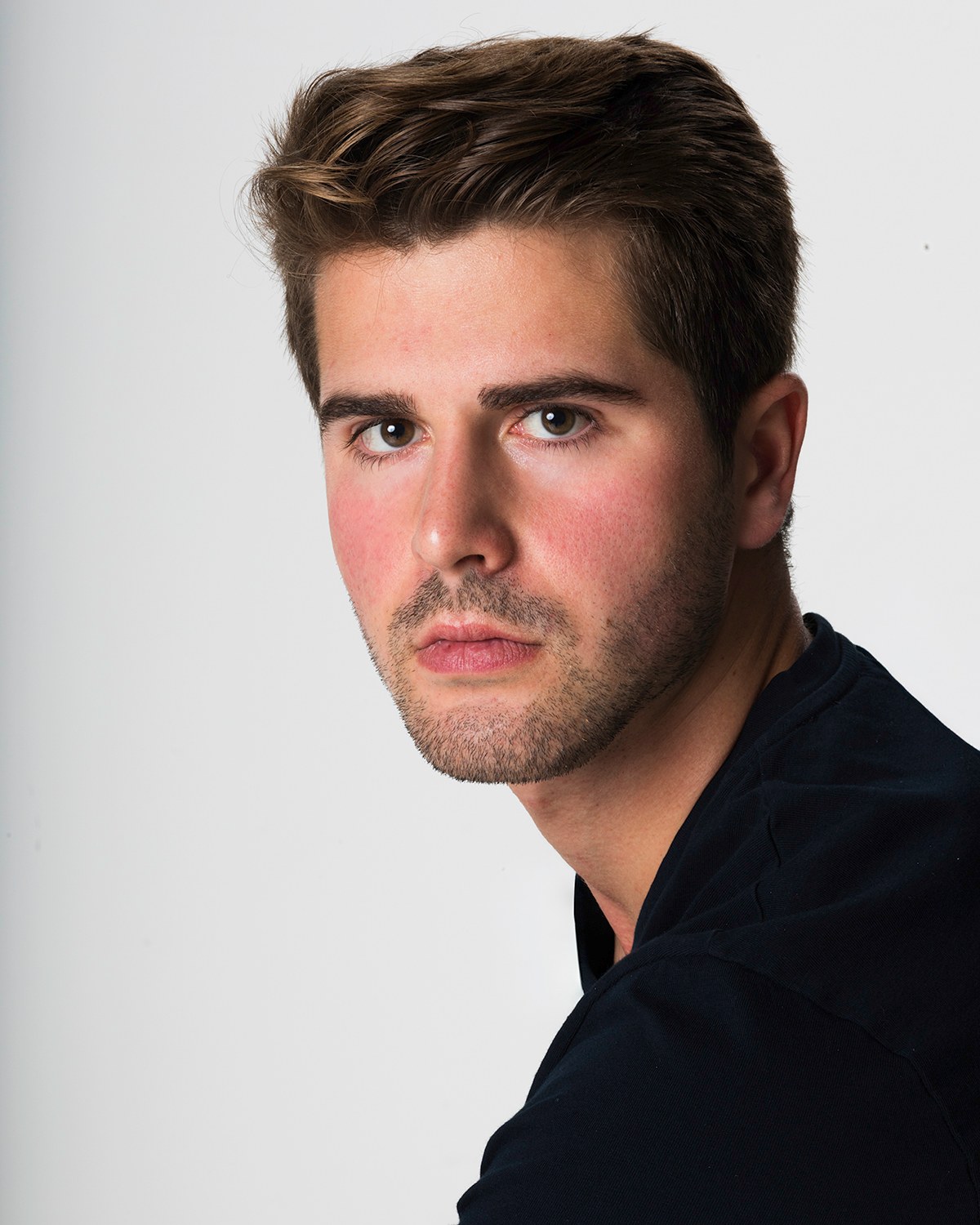
A little mirror practice at home makes the direction in my private Naples studio land faster, but you never need to arrive with a routine ready to perform. Call (239) 319-6171 or send the form and tell me what your headshots or portraits are for.
Book a Session Call (239) 319-6171Tell me a little about what you have in mind and I will be in touch personally. Pricing is personal, so the best way to plan is a quick call.
Share a few details and Annie will be in touch personally.