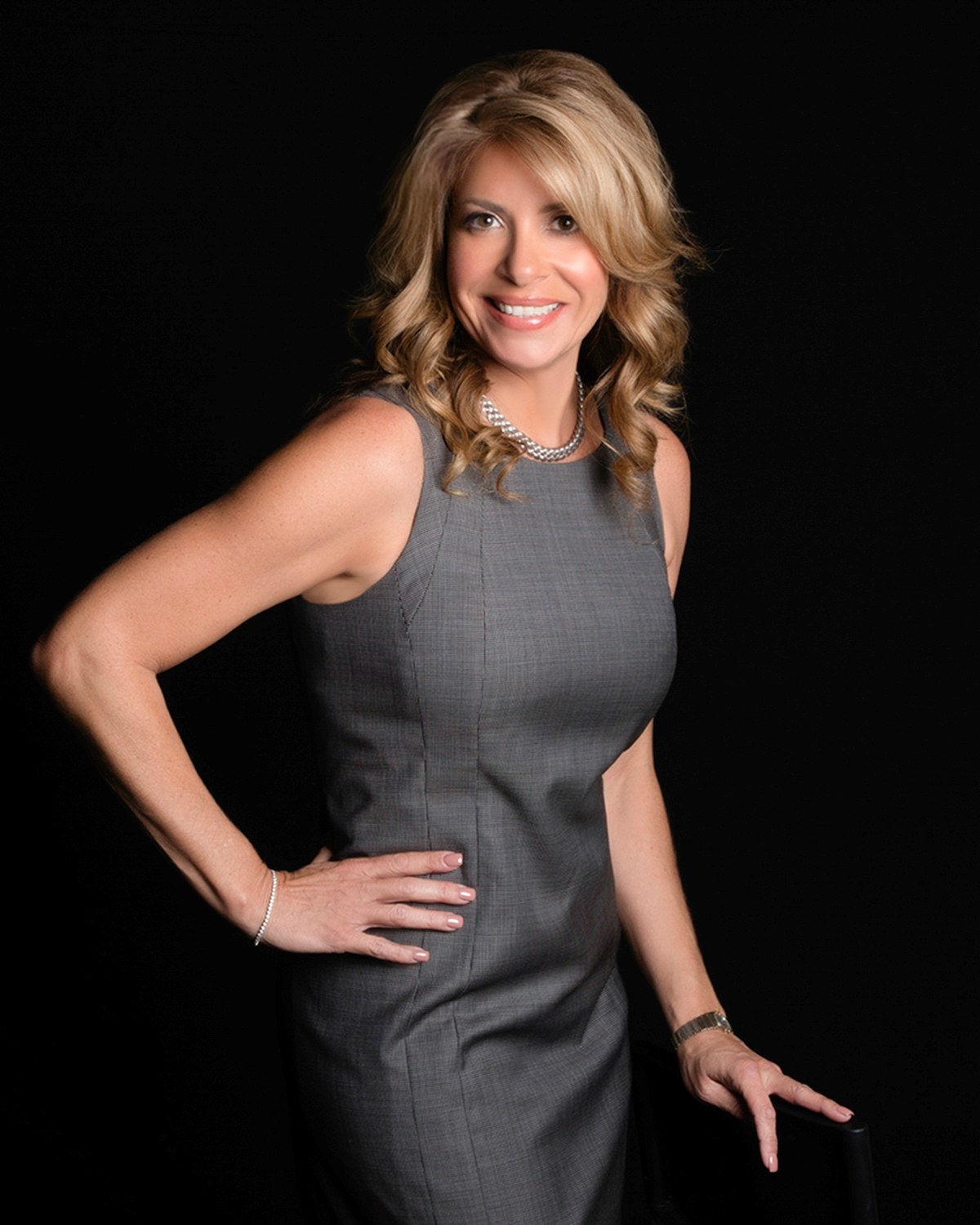
Nobody thinks about their hands until they see themselves holding still in a photograph, and by then it is too late to do anything about them. Hands show up in far more frames than people expect, which makes them worth a few minutes of preparation rather than an afterthought.

Hands appear in a large share of portrait frames, resting on a jacket, folded in a seated pose, one loosely holding the opposite wrist, so clean, trimmed, moisturized hands with a neutral or simple nail color are the safest and most reliable choice for photos. Get nails done a couple of days ahead rather than the same morning, so there is time to fix a chip, and skip anything you have never worn before.
For men, this is mostly about clean, trimmed nails and moisturized skin rather than polish, and the same few-days-ahead timing still applies.
A portrait session is not just a face. Hands rest on a lapel, fold in a seated pose, hold something you would genuinely hold in a personal brand image, or simply sit in the lap in a frame that includes more of you than a tight headshot crop does. Guided posing places them deliberately rather than leaving them to chance, which means they end up visible more often than most people plan for.
That visibility is exactly why hands deserve a little preparation. A chipped nail, dry knuckles or overgrown cuticles are easy to overlook in daily life and hard to miss once a hand is lit, in focus and held still for a photograph.
If you are choosing a nail color for the occasion, neutral or a soft, natural shade is the safer choice for most portrait work. It draws less attention than a bold or trend-forward color, which keeps the eye on your face and posture rather than on your hands, and it ages better in a photo you might use for a long time. A bright color you love today can look dated or simply distracting in an image you plan to keep around for a long while.
This is not a rule against color entirely. If a particular shade is part of how you present yourself day to day, and you are comfortable with it, wear it. The guidance here is really about not introducing something new or unusually bold specifically for the session, the same logic that applies to any other one-time choice made right before a camera.
Nail length is largely a matter of what looks and feels normal for you. Very long or dramatically shaped nails can draw attention in a tight crop the same way a bold color can, simply because they are unfamiliar to look at for longer than a glance. A length and shape you already wear comfortably will photograph as natural, because it is.
If you are considering a change to length or shape for the session, treat it the same as any other new grooming decision: give it a trial run beforehand rather than trying it for the first time the morning of. That way you know how it looks and feels before it needs to hold up under a camera.
Get nails done a couple of days before the session rather than the day of. That gap leaves room to notice and fix a chip, an uneven edge or a color you are not happy with, none of which are fixable in the minutes before a session starts. It also gives polish time to fully cure, so it is less likely to smudge or catch on clothing while you are getting dressed.
If you do your own nails rather than having them done, the same timing applies. A couple of days ahead means any mistakes are caught with time to redo them, and the color has settled rather than looking freshly applied.
Dry skin and rough cuticles are more visible under studio light than they are in daily life, simply because the light is close, even and unflattering to texture that would otherwise go unnoticed. A little attention here goes a long way: trimmed or pushed-back cuticles, and hands that are moisturized rather than dry.
Timing matters for moisturizer too. Apply it the night before or earlier in the day, not right before the camera, since freshly applied lotion can leave a shine or a slight residue that studio light picks up. Give it time to absorb fully, and if your hands need a touch-up during the session, a small amount blotted rather than freshly slathered on is the better move.
For men, nail preparation is almost never about color and almost entirely about cleanliness and condition. Trimmed, clean nails and moisturized hands make the same difference for a man's portrait that they do for anyone else's, since hands rest in the same range of poses regardless of who is in front of the camera.
The same few-days-ahead timing applies here too. If nails need trimming or cuticles need attention, handle it a couple of days out rather than the morning of, and pair it with the rest of your routine. The men's grooming checklist covers the full list, from the haircut to the collar, with hands as one item among several.
Whether a ring or a watch belongs in the frame is a jewelry question, and jewelry for headshots answers it properly. Decide before the session rather than in the room, and this page stays on the hand underneath the piece.
One small note worth remembering the morning of: take rings off before applying hand lotion, then put them back on once the lotion has absorbed, so residue does not sit under the band.
A small kit solves most last-minute hand concerns without needing to leave the studio:
None of this needs to be elaborate. The goal is simply to arrive with hands that look like a normal, cared-for version of themselves, which is a low bar and an easy one to clear with a little planning.
Nail and hand condition is the preparation side of this. What to actually do with your hands once the camera is on, where they rest, how they avoid looking stiff, is a posing question rather than a prep one, and it has its own guide: what to do with your hands. You do not need to study it beforehand. Every session is guided, so the posing itself is handled in the room.
For headshots, hands appear less often given the tighter crop, but they still show up in wider frames and seated poses. In a personal brand session, with more looks and more variety in the shots, hands tend to appear more often and more openly, gesturing, folded, holding something that belongs to your work, which makes this preparation worth a bit more attention. Hand placement in a boudoir session is part of the posing guidance given on the day, and the same condition advice above still applies underneath it, while the prep checklist for a boudoir session covers the rest of that preparation. Nails sit three days out on the longer list, and the rest of that list is on how to prepare for a photoshoot.
You do not need a manicure appointment to have your hands look good in a photograph, just a couple of days of lead time and a little attention to condition. I place hands deliberately in every pose, so the preparation on your end stays this simple. Call (239) 319-6171 or send the form to plan your session.
Book a Session Call (239) 319-6171Tell me a little about what you have in mind and I will be in touch personally. Pricing is personal, so the best way to plan is a quick call.
Share a few details and Annie will be in touch personally.