Portfolio
Headshots Boudoir Personal Brand
More
Guides Investment Guided Posing About Book a Session
Home  /  Guides  /  Prep for Oily Skin and Shine on Camera
Prep

Prep for oily skin and shine on camera.

Studio light is stronger and closer than daylight, and it finds shine that a bathroom mirror never shows you. None of this is about your skin being a problem. It is about a few small techniques that keep light from bouncing where you would rather it did not.

By Annie Watson · Naples, Florida · Updated September 2026
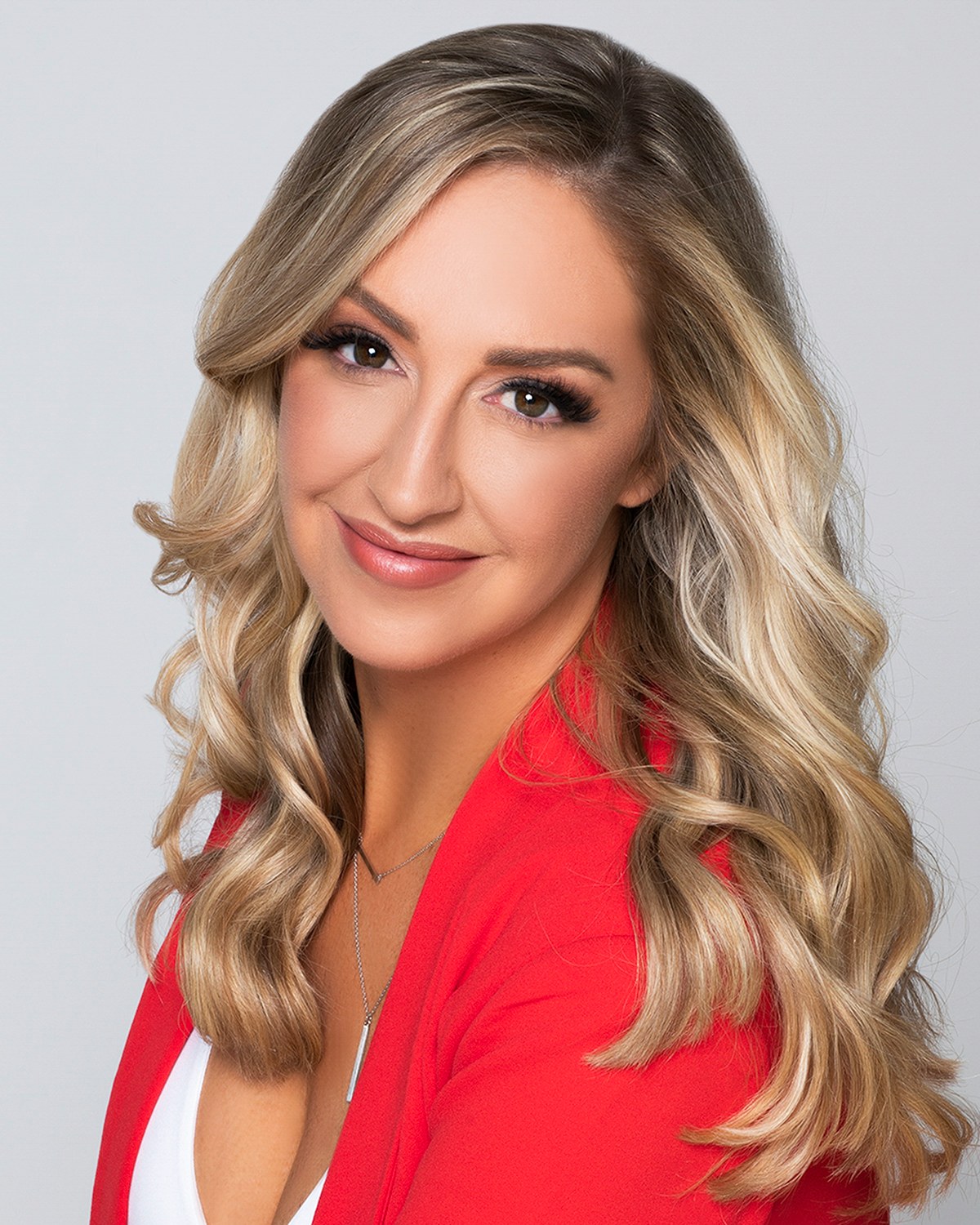
Woman with long blonde hair in a red blazer, smiling, light backdrop, photographed by Annie Watson in her Naples studio
The Short Answer

Managing shine on camera comes down to blotting rather than adding more product, lightly powdering the T-zone rather than your whole face, and choosing a matte base if you wear makeup at all. None of it requires new products bought specifically for the day. A tissue, a blotting sheet or a light dusting of the powder you already own handles most of it.

Studio light is simply more revealing than daylight, not a sign that anything is wrong with your skin.

Why studio light finds shine daylight hides.

Studio light is close, bright and directional, which is exactly what makes it good at shaping a face and exactly what makes it good at finding shine. Daylight scatters from everywhere at once, so a little oil on your forehead blends into the general brightness of the day. A studio light is a much smaller, much stronger source, and it reflects off oily skin the same way it would off a sheet of glass.

None of this means your skin is doing anything wrong. It means the light in a portrait session is simply more honest than the light you check yourself in most days. It is also what gives studio headshots their clarity: the light that finds a shiny forehead is the same light that renders an eye properly.

It also explains why something that has never bothered you at work or on a screen with everyone else suddenly feels worth thinking about here. The light has not gotten less flattering. It has simply started telling the truth about something that was always there, just previously invisible under a softer source.

Blotting, before you reach for powder.

The first tool worth knowing is blotting, not powder. A blotting sheet, or in a pinch a plain tissue, lifts oil off the surface of your skin without adding anything to it, which keeps your face looking like skin rather than starting to look chalky after a few touch-ups through the day.

Press, do not rub, and focus on the areas that run oiliest for you specifically. Powder has its place too, but it works best after blotting, as a light finishing step rather than the first line of defense.

Keep whatever you use for this simple and familiar rather than picking up something new for the occasion. A blotting sheet is a blotting sheet, and the version you already own and know how to use is a safer choice than a different one purchased the week of your session.

The T-zone, and where shine concentrates.

Shine rarely spreads evenly across a face. It concentrates where skin naturally produces more oil, and knowing your own pattern makes managing it far faster.

  • The forehead, especially just above the brows.
  • The nose, and the sides of it.
  • The chin, particularly when the light is coming from above.
  • For some people, the temples and the hairline.

Blot and lightly powder those areas specifically rather than treating your whole face the same way. A lighter touch on the cheeks, where shine is rarely a problem, keeps the rest of your skin looking natural instead of matte all over.

A matte base without looking flat.

If you wear makeup, a matte or oil-controlling base gives you a real head start, but matte does not mean flat. The goal is skin that still looks like skin, just without the reflective sheen that studio light picks up so readily. Overdoing it in the other direction, heavy powder pressed on thick, reads just as unnatural as shine does, only in the opposite way.

How makeup actually holds up under studio light, and how to build a base that photographs well without disappearing into flatness, is its own subject, covered fully in makeup that photographs well.

Men, and shine.

Shine is not a makeup-only concern. If you have never worn anything on your skin, you may simply never have seen your own, because a bathroom mirror does not report it and a phone screen forgives it. A light dusting of translucent powder works the same way for anyone, makeup or not, and it takes seconds to apply. There is no reason to skip it on the assumption that it is only for people already wearing makeup.

The same blotting and T-zone logic applies regardless of whether makeup is part of your routine. Bring a small pack of blotting sheets or a travel powder either way, and use it the same way anyone else would, a light touch rather than a heavy one.

The walk from the car, and what to bring.

The short walk from your car to the door, not the session itself, is often where shine actually starts. The studio is air-conditioned, so nothing is adding to it once you are inside, and a moment to blot and settle before we begin handles most of what the walk from the car put there. There is no need to arrive already worrying about it.

  • A small pack of blotting sheets or a folded tissue.
  • Travel-size translucent powder and a small brush or sponge, if you have one.
  • A little extra time before your session to settle in rather than walking straight from the car to the camera.

Your images are retouched by hand afterward, and that is a finishing step rather than a rescue. Shine bright enough to blow out a highlight has taken the texture of the skin with it, and there is nothing left underneath to bring back, which is the whole argument for a tissue at the right moment.

Three neighboring pages pick up where this one stops. Dressing so the trip in does not undo you is covered in what to wear for a summer photoshoot in Florida. The week of ordinary skin habits sitting behind all of this is in the skincare timeline before photos, one line of the fuller countdown in how to prepare for a photoshoot. Anything treated or injected, botox and fillers included, wants to be well behind you before any of this matters. And if you are the person organizing a roster rather than yourself, the note that goes out to them is in preparing your team for headshot day.

Key Takeaways
  • Studio light is closer and stronger than daylight, which is why it finds shine that a bathroom mirror never shows you.
  • Blot before you powder; a blotting sheet or a tissue lifts oil without adding anything that can build up through the day.
  • Shine concentrates in a personal pattern, usually the forehead, nose and chin, so treat those areas rather than your whole face equally.
  • A matte base should still look like skin; overdone matte powder reads as unnatural in the opposite direction from shine.
  • Shine management is not makeup-only; a light dusting of translucent powder works the same way for anyone.
  • The short walk from your car is often where shine actually starts, so a minute to settle and blot before the camera comes out helps more than anything done in advance.
Next Step

Bring blotting sheets, skip the worry.

Shine is one of the easiest things in this entire guide to manage in the room, with a tissue and a minute to settle in before we start. Bring what works for you and I will handle the rest under the lights. Call (239) 319-6171 or send the form, and say that shine is the part you are worried about so it is planned for rather than discovered.

Book a Session Call (239) 319-6171
Put It to Work

Sessions this guide points to.

Good to Know

Questions, answered.

Will retouching just fix the shine afterward if I forget to manage it?
Hand retouching can soften some of it, but it is a better plan to manage it in the room than to rely on a finishing pass afterward. Bright, concentrated shine can lose skin texture in the process of taming it, and it is far easier to blot for a few seconds before the camera than to correct it after.
Does drinking more water help with oily skin before a session?
It supports how your skin looks overall, but it will not meaningfully change oil production in the day or two before a session. Treat hydration as part of your general routine rather than a fix specifically for shine, and rely on blotting and a light powder for the actual session.
I have naturally oily skin all the time. Is there anything I should do differently in the week before?
Not really, beyond bringing your blotting sheets or powder to the session itself. If you already manage this daily, keep doing exactly what already works for you rather than trying a new routine this particular week. Familiar and effective beats new and unproven every time.
Can heavy powder make my skin look worse in photos than shine would?
Yes, if it is applied too thickly. Overdone powder can look flat, chalky or cakey under studio light, sitting on top of your skin rather than blending into it. A light touch, focused on the areas that actually shine, looks far more natural than a heavy layer applied everywhere out of caution.
Should I ask about touching up during the session if I start to shine partway through?
Yes, absolutely. Bring your own blotting sheets or powder and use them between looks whenever you feel you need to. It takes a few seconds and it is a completely normal part of a session with several looks or wardrobe changes.
Book Your Session

Your best headshot is one session away.

Tell me a little about what you have in mind and I will be in touch personally. Pricing is personal, so the best way to plan is a quick call.

Studio
5400 Yahl St, Naples FL

Prefer to talk? Call (239) 319-6171. I respond personally.